






















Washington maintains Iran talks amid deepening rift
White House officials said diplomatic channels with Iran remain active despite Tehran’s public rejection of US overtures, underscoring a widening disconnect between rhetoric and back-channel engagement as tensions ripple across the Middle East and global markets. The White House has sought to project continuity in negotiations, signalling that intermediaries and indirect communications are still in play even as Iranian officials outline new preconditions for any de-escalation. […]The article Washington maintains Iran talks amid deepening rift appeared first on Arabian Post.

White House officials said diplomatic channels with Iran remain active despite Tehran’s public rejection of US overtures, underscoring a widening disconnect between rhetoric and back-channel engagement as tensions ripple across the Middle East and global markets.
The White House has sought to project continuity in negotiations, signalling that intermediaries and indirect communications are still in play even as Iranian officials outline new preconditions for any de-escalation. The conflicting messages highlight the fragile state of diplomacy after weeks of confrontation that have unsettled energy flows, shipping routes and investor sentiment.
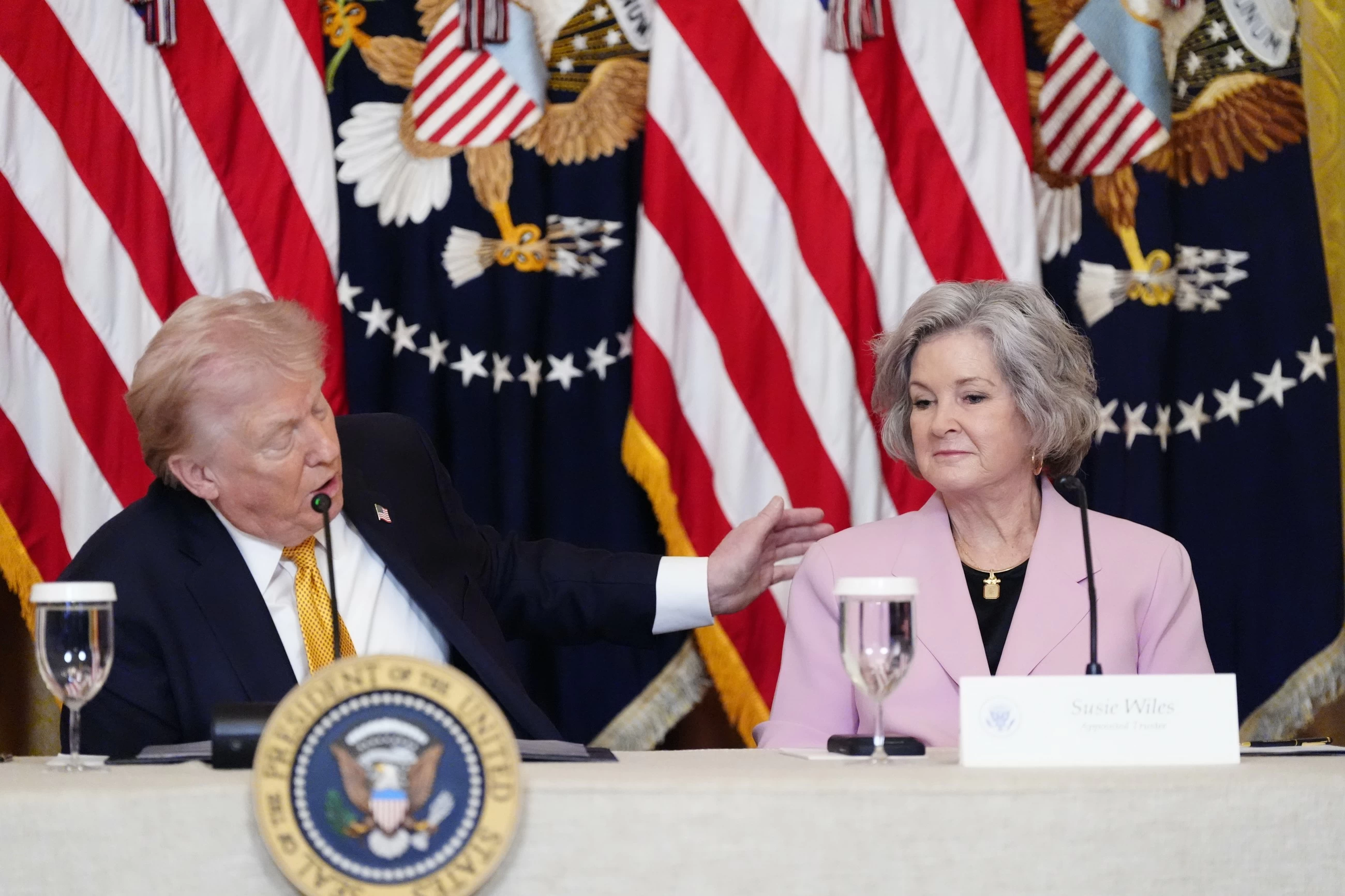
President Donald Trump told congressional Republicans that Tehran is under mounting pressure to strike an agreement, portraying Iran’s stance as tactical rather than definitive. “They want to make a deal so badly, but they’re afraid to say it,” he said, framing the impasse as a matter of political signalling rather than substantive disagreement.
Iranian officials, however, have publicly dismissed Washington’s claims, insisting that any negotiation must be preceded by clear concessions. Among the conditions cited by policymakers in Tehran are the easing of economic sanctions, guarantees against further military escalation and recognition of what they describe as sovereign rights in regional security matters. The divergence between US assertions and Iranian demands reflects longstanding mistrust rooted in past negotiations and the collapse of earlier agreements.
Diplomatic analysts note that such contradictions are not uncommon in high-stakes negotiations, where public posturing often differs from private exchanges. Officials on both sides appear to be balancing domestic political considerations with strategic calculations, particularly as the confrontation approaches its second month and the costs of prolonged instability become more visible.
The conflict has already disrupted key trade corridors and heightened volatility in oil markets, with benchmark crude prices experiencing sharp swings as traders respond to uncertainty over supply routes. The Strait of Hormuz, a critical artery for global energy shipments, has remained a focal point of concern, with shipping insurers and logistics firms adjusting risk assessments in response to the evolving security environment.
Regional actors are also recalibrating their positions. Gulf states have intensified diplomatic outreach aimed at preventing further escalation, while European governments continue to advocate for a negotiated settlement that could stabilise energy markets and reduce the risk of broader conflict. China and Russia, both with strategic interests in the region, have called for restraint while maintaining dialogue with both Washington and Tehran.
Within the United States, the administration faces competing pressures from lawmakers and security officials. Some members of Congress have urged a firmer stance, arguing that concessions could embolden Tehran, while others warn that prolonged confrontation risks entrenching instability and drawing in additional actors. Defence planners are simultaneously managing force posture in the region, balancing deterrence with efforts to avoid unintended escalation.
Economic indicators suggest that the standoff is beginning to exert wider effects beyond energy markets. Shipping costs have risen across key routes, and insurers have increased premiums for vessels operating in high-risk zones. Financial markets have responded with heightened caution, particularly in sectors exposed to geopolitical risk, including energy, transportation and commodities.
Iran’s domestic situation adds another layer of complexity. Economic pressures linked to sanctions and inflation have strained public finances, while political factions within the country debate the merits of engagement versus resistance. Analysts say this internal dynamic could influence Tehran’s negotiating posture, as leaders weigh the potential benefits of relief against concerns over sovereignty and security.
The article Washington maintains Iran talks amid deepening rift appeared first on Arabian Post.
What's Your Reaction?