



























Gulf tensions strain food supply routes
Escalating conflict across key maritime corridors has exposed the Middle East’s dependence on imported food, with shipping disruptions forcing governments and logistics firms to reassess supply chains under mounting pressure. The warning comes from Vincent Clerc, chief executive of A. P. Moller-Maersk, who signalled that instability in the Gulf is tightening global shipping capacity and complicating the steady flow of essential commodities into the region. He described […]The article Gulf tensions strain food supply routes appeared first on Arabian Post.

Escalating conflict across key maritime corridors has exposed the Middle East’s dependence on imported food, with shipping disruptions forcing governments and logistics firms to reassess supply chains under mounting pressure.
The warning comes from Vincent Clerc, chief executive of A. P. Moller-Maersk, who signalled that instability in the Gulf is tightening global shipping capacity and complicating the steady flow of essential commodities into the region. He described a “pressing need” for imports, pointing to structural vulnerabilities that have long been masked by stable trade routes.
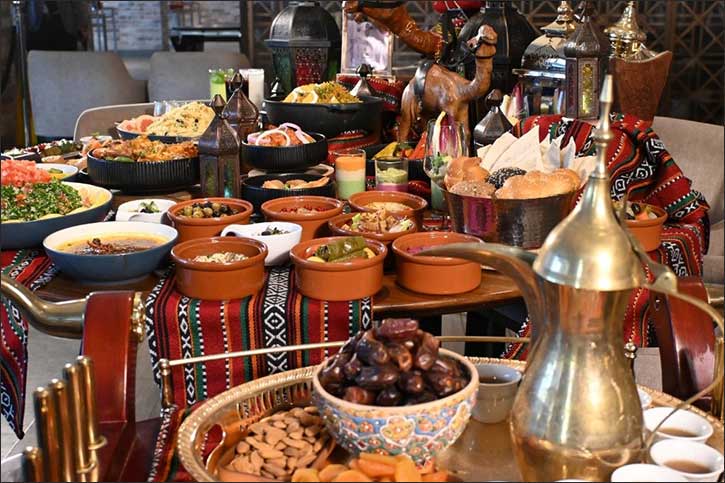
Countries across the Gulf Cooperation Council rely heavily on imported staples, with some states sourcing more than 80 per cent of their food from overseas. Wheat, rice and animal feed are particularly exposed to maritime disruptions, as shipments typically transit through choke points such as the Strait of Hormuz and the Bab el-Mandeb. Any sustained disturbance in these corridors has immediate consequences for supply timelines and freight costs.
Shipping companies have already begun rerouting vessels to avoid high-risk zones, increasing journey times and insurance premiums. Industry data indicates that freight rates on key Asia-to-Middle East routes have risen sharply as carriers factor in security risks, longer voyages and limited vessel availability. These adjustments are filtering through to importers, who face higher landed costs at a time when governments are attempting to contain inflation.
Food security has been a longstanding policy priority across the region, particularly since the price spikes that followed the global financial crisis and the pandemic years. Governments have invested in strategic reserves, overseas agricultural assets and domestic production initiatives. However, the scale of reliance on imports means that such measures offer only partial insulation against prolonged disruptions in maritime trade.
The current strain on shipping networks reflects a broader shift in global logistics, where geopolitical tensions are increasingly influencing commercial decisions. Maritime security concerns in the Red Sea and Gulf waters have forced operators to adopt more cautious routing strategies, even at the expense of efficiency. Analysts say this trend is likely to persist as long as regional tensions remain unresolved.
Energy markets, which dominate Gulf economies, have also been affected by shipping uncertainties, but food supply carries a more immediate social impact. Governments are under pressure to ensure stable access to basic commodities, particularly in countries with growing populations and limited arable land. Officials in several states have stepped up monitoring of supply chains and expanded procurement from alternative sources to mitigate potential shortages.
Private sector players are adjusting as well. Large importers and distributors are diversifying suppliers, increasing inventory buffers and exploring multimodal transport options where feasible. Yet such strategies come with higher costs and logistical complexity, underscoring the delicate balance between resilience and efficiency in global trade.
Agricultural exporters in regions such as Eastern Europe, South Asia and Australia are watching developments closely, as shifting demand patterns could reshape trade flows. Some exporters are expected to benefit from higher prices and increased demand, while others may face bottlenecks if shipping capacity remains constrained.
Economists note that the situation highlights deeper structural challenges in the global food system. Climate change, conflict and trade fragmentation are converging to create a more volatile environment for agricultural supply chains. For import-dependent regions, this translates into heightened exposure to external shocks.
Policy responses are likely to accelerate existing trends toward localisation and diversification. Investments in controlled-environment agriculture, desalination-linked farming and food technology are gaining traction across Gulf states. While these initiatives cannot fully replace imports, they are seen as essential components of a broader resilience strategy.
At the same time, diplomatic efforts to secure maritime routes remain critical. Ensuring safe passage for commercial vessels has become a central concern for governments and international organisations, given the implications for both energy and food markets. Any escalation that further restricts access to key waterways could have cascading effects across global supply chains.
The article Gulf tensions strain food supply routes appeared first on Arabian Post.
What's Your Reaction?