

























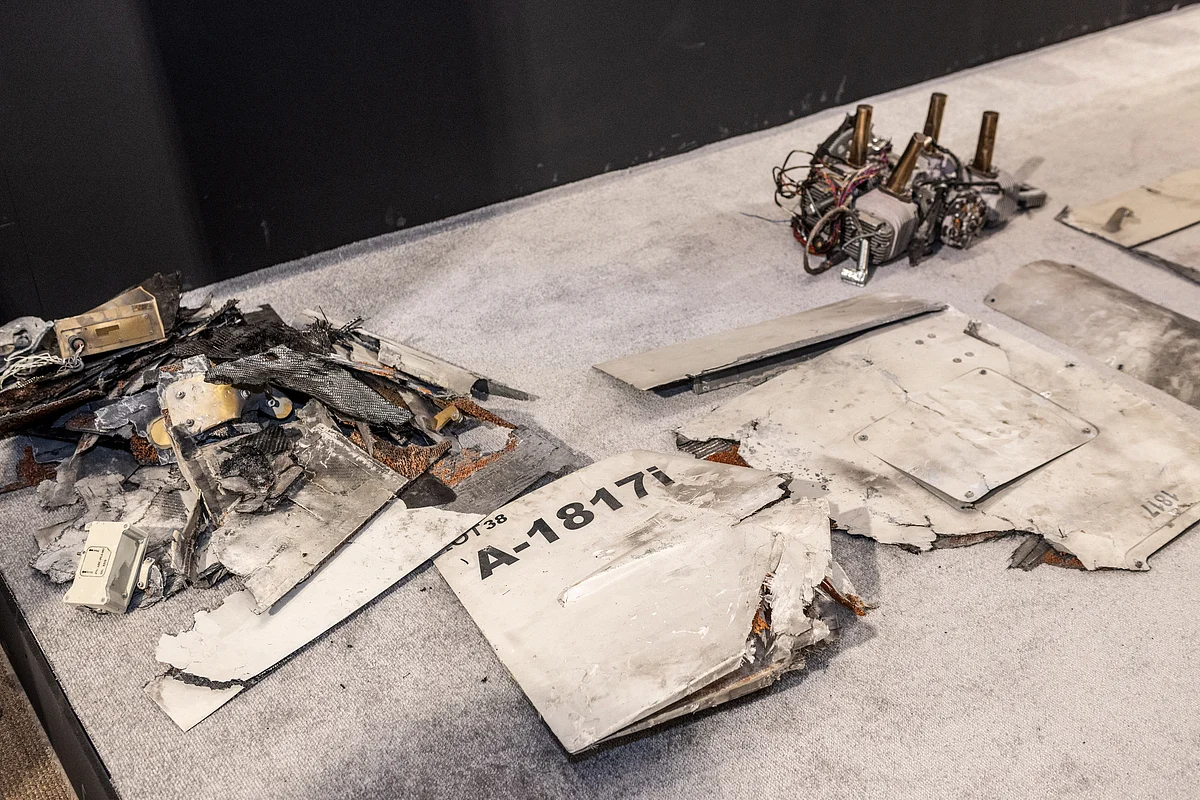


US deploys interceptor drones to counter Iran
United States military authorities have dispatched thousands of interceptor drones originally refined on the battlefields of Ukraine to the Middle East, aiming to counter Iranian aerial attacks while reducing reliance on expensive missile defences. Officials say about 10,000 drones were moved to the region within days of a joint US–Israeli military campaign against Iranian targets that began in late February. The deployment reflects a broader shift in […] The article US deploys interceptor drones to counter Iran appeared first on Arabian Post.

Officials say about 10,000 drones were moved to the region within days of a joint US–Israeli military campaign against Iranian targets that began in late February. The deployment reflects a broader shift in modern air defence strategy as drone warfare increasingly shapes conflicts from Eastern Europe to West Asia.
Army Secretary Dan Driscoll confirmed that the interceptor systems were transferred from Europe to the Middle East as part of urgent measures to shield US bases and allied infrastructure from waves of Iranian unmanned aircraft. The drones were developed through a programme backed by technology investors and defence innovators and had previously been tested extensively during Ukraine’s war with Russia.
Military planners view the technology as a cost-effective response to the growing use of relatively cheap attack drones. Iranian-designed Shahed systems, widely employed by Russian forces in Ukraine and by allied groups across the Middle East, have proved difficult to counter using conventional air defence systems designed primarily for missiles.
The interceptor drones belong to a system known as Merops, which launches small aircraft designed specifically to hunt and destroy hostile drones. Once airborne, the interceptors use radar data and electro-optical sensors to locate incoming threats and either collide with them or detonate a small payload at close range.
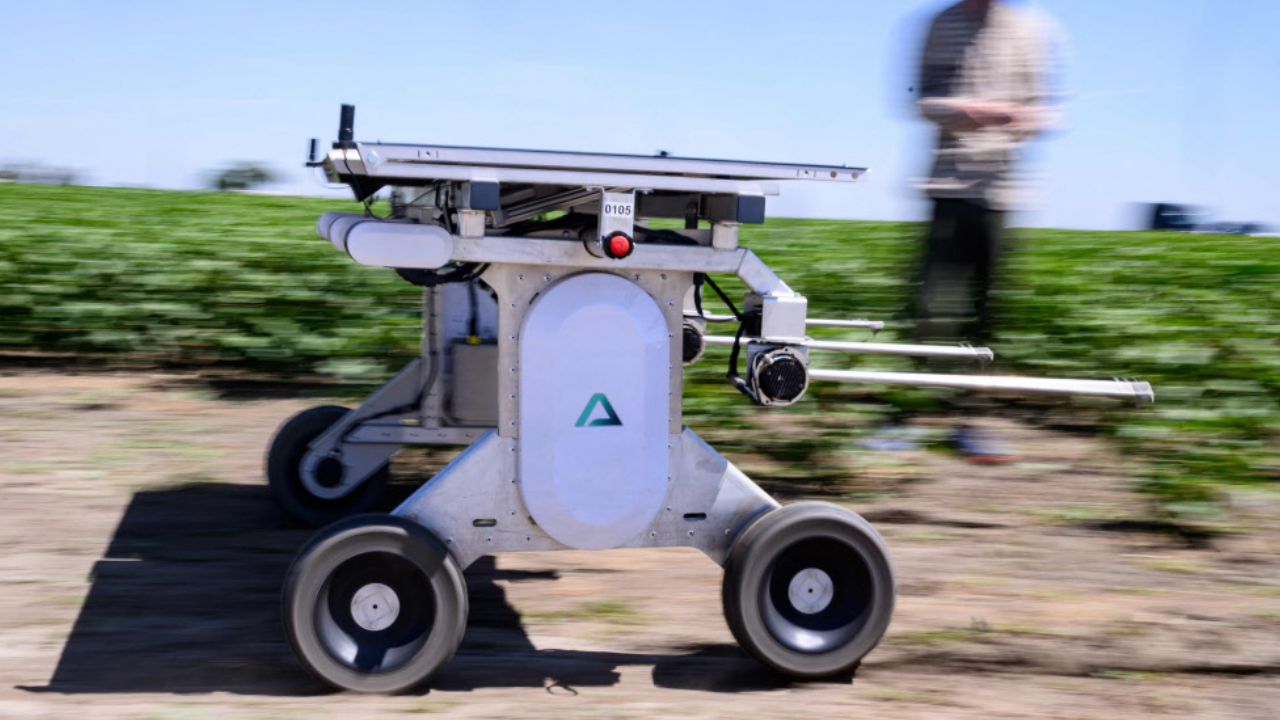
Compact and mobile, the Merops platform can be mounted on vehicles and operated by a small crew. Its drones cost a fraction of traditional missile interceptors, typically priced in the millions of dollars. Each interceptor unit is estimated to cost tens of thousands of dollars or less depending on configuration, making it suitable for combating large swarms of low-cost aerial threats.
Military analysts note that the economics of drone warfare have shifted dramatically during the past decade. Attack drones such as the Shahed series can cost as little as $20,000 to $50,000, while the missiles used to intercept them can cost many times more. That imbalance has forced defence planners to search for cheaper solutions capable of responding to large-scale drone attacks without exhausting missile stockpiles.
Experience from Ukraine played a decisive role in the development of the new system. Ukrainian forces confronted thousands of Iranian-origin drones supplied to Russia during the war and built layered defences that included electronic warfare, mobile gun units and interceptor drones. Some of those systems reportedly achieved high interception rates against incoming aerial threats.
The lessons drawn from that conflict have attracted global attention. Several countries have sought Ukrainian assistance or technology to strengthen their own defences against drone swarms, particularly as Iran and its regional partners expand their unmanned capabilities.
Iran’s military and its allied groups across the region have increasingly relied on unmanned aircraft for surveillance and attack missions. These drones have been used to strike military installations, energy infrastructure and commercial shipping routes, particularly around the Persian Gulf and the Red Sea.
The rising threat has pushed Washington and its partners to accelerate investment in counter-drone technologies. Existing missile systems such as Patriot and THAAD remain effective against ballistic missiles but are less efficient when confronting large numbers of small unmanned aircraft, which can overwhelm radar networks and deplete interceptor inventories.
The deployment of thousands of interceptor drones signals a new layer of defence designed to operate alongside traditional systems. In practical terms, the drone interceptors are expected to engage low-flying unmanned aircraft before they approach high-value targets, preserving more advanced missile defences for larger threats.
Security officials also emphasise the mobility of the system. Because the interceptor drones can be launched from compact ground units mounted on trucks, they can be moved rapidly between bases or deployed to protect temporary installations and forward positions.
Technological innovation has played a central role in the system’s design. The interceptor drones incorporate artificial intelligence to track targets even when electronic signals are disrupted, a capability intended to counter environments where communications are jammed or satellite links are unavailable.
Strategists view the programme as part of a broader transformation in warfare, where autonomous and semi-autonomous systems increasingly dominate airspace. Defence planners argue that future conflicts may hinge on the ability to mass-produce inexpensive drones capable of overwhelming traditional defences.
The Middle East deployment also illustrates the growing overlap between conflicts in different regions. Technology first developed to defend Ukrainian cities from drone attacks is now being applied to protect military bases and allied territories thousands of kilometres away.
For Ukraine, the transfer highlights the influence of its wartime innovations on global defence thinking. Ukrainian engineers and operators have gained practical experience in countering drone swarms, knowledge that Western militaries are now studying closely.
The article US deploys interceptor drones to counter Iran appeared first on Arabian Post.
What's Your Reaction?