


















Cuba acknowledges quiet talks amid mounting US pressure
Cuba has confirmed that discussions are under way with officials from the United States as Washington intensifies economic and diplomatic pressure on the island, raising tensions between the neighbouring nations separated by just 90 miles of water across the Florida Straits. Havana said contacts with US representatives have taken place through diplomatic channels, signalling a cautious attempt to maintain dialogue even as relations remain strained under policies […] The article Cuba acknowledges quiet talks amid mounting US pressure appeared first on Arabian Post.

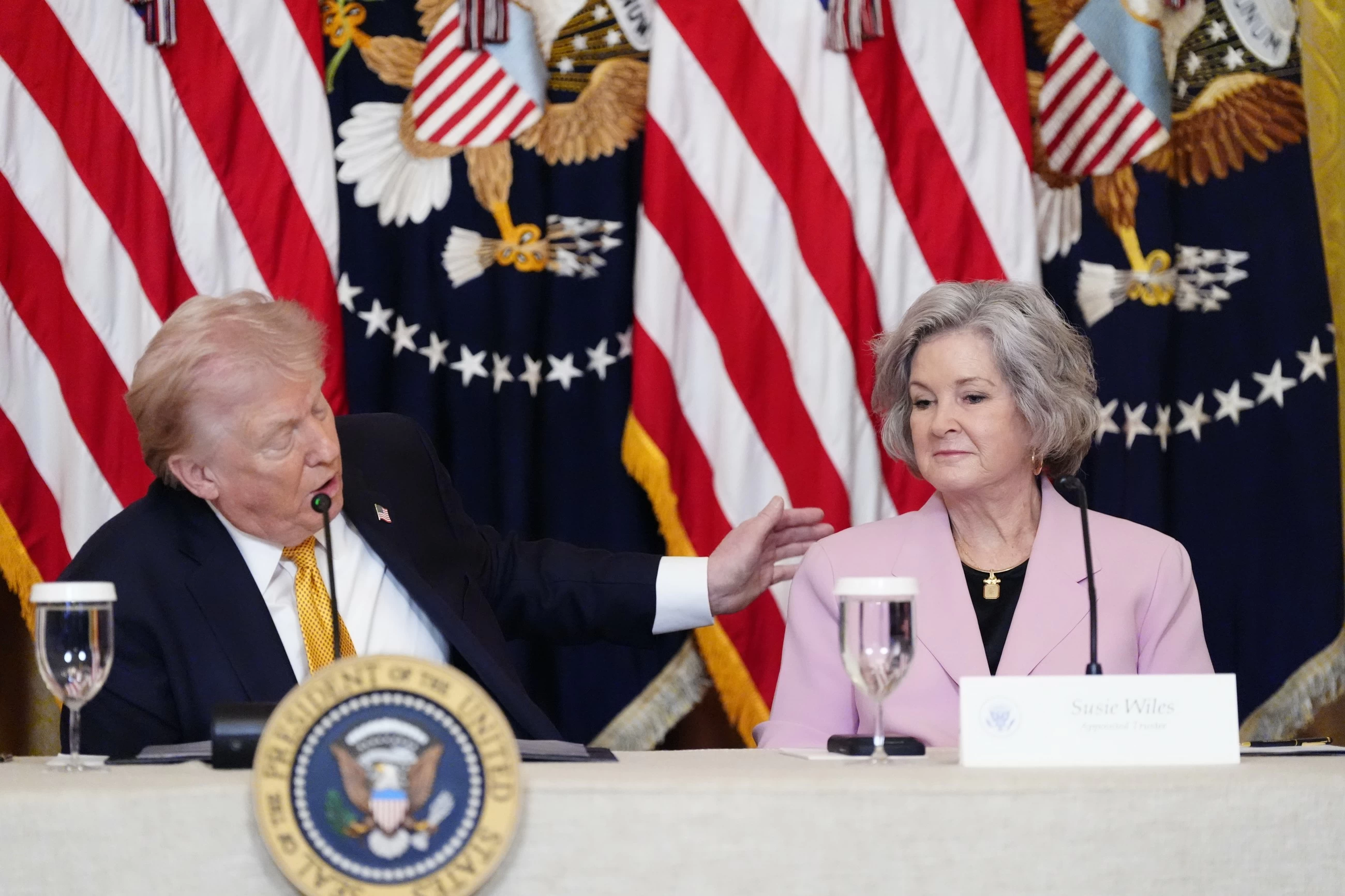
Havana said contacts with US representatives have taken place through diplomatic channels, signalling a cautious attempt to maintain dialogue even as relations remain strained under policies promoted by Donald Trump. The confirmation follows mounting economic restrictions, tighter financial enforcement and political messaging from Washington aimed at forcing structural change within the island’s socialist system.
Cuban officials characterised the exchanges as limited but necessary communication between two countries with a long and turbulent history. Authorities in Havana emphasised that dialogue does not signify agreement with US policy and insisted that sovereignty and the political system of the island remain non-negotiable.
Tension between the two countries has intensified amid renewed economic pressure on Cuba. Measures linked to the Trump political movement have revived elements of the hard-line approach that characterised earlier phases of US policy toward the Caribbean state. Those measures include expanded sanctions enforcement, financial restrictions affecting remittances and tighter controls over trade and tourism.
Washington’s strategy has been framed by its supporters as an effort to push the Cuban government toward political reforms and greater civil liberties. Critics argue the measures risk worsening economic hardship for the population while entrenching political divisions between Havana and Washington.
Cuba’s leadership has repeatedly condemned the pressure campaign, describing the economic restrictions as an attempt to destabilise the country. Officials argue that sanctions have contributed to shortages of fuel, food and essential imports at a time when the island is also dealing with structural economic challenges and the lingering impact of the pandemic on tourism.
Despite the harsh rhetoric on both sides, communication channels between the governments have not entirely closed. Diplomatic contacts are believed to involve migration management, maritime security and other practical matters where cooperation remains necessary.
Officials familiar with the process say discussions also reflect concern on both sides about regional stability. The narrow stretch of water between Cuba and Florida has historically served as a corridor for migration and maritime incidents, making coordination between the two governments unavoidable even during periods of confrontation.
Political analysts say the confirmation of talks highlights a paradox that has long defined US–Cuba relations. Even at moments of maximum political tension, limited dialogue has continued in areas where practical interests overlap.
Relations between Washington and Havana have shifted dramatically over the past decade. A period of rapprochement began during Barack Obama’s presidency when diplomatic relations were restored after more than half a century of hostility. Embassies reopened in both capitals and travel and economic exchanges expanded, raising expectations that a broader transformation might follow.
That thaw was followed by a reversal of policy as sanctions and restrictions were reintroduced under Trump. Those measures targeted tourism, financial transactions and business operations connected to the Cuban state, reversing many of the openings that had emerged during the earlier diplomatic engagement.
Cuba’s economy has faced mounting pressure amid those restrictions and other structural problems. Tourism, a vital source of foreign currency, suffered a severe downturn during the global health crisis and has struggled to regain momentum. Shortages of electricity and consumer goods have triggered public frustration and sporadic demonstrations.
Authorities in Havana blame economic difficulties largely on the long-standing US embargo, which has remained a central feature of Washington’s policy since the early 1960s. Cuban leaders argue the embargo continues to restrict access to financing, trade and technology, complicating efforts to stabilise the economy.
Supporters of the US approach contend that economic pressure is necessary to encourage political reforms and expanded freedoms on the island. Advocates say engagement without conditions would strengthen the government while failing to address concerns about human rights and political pluralism.
The political dimension of the dispute has intensified as Trump and his allies frame the issue as part of a broader ideological confrontation with left-wing governments in Latin America. Hard-line positions on Cuba have long resonated with segments of the Cuban-American community in Florida, an important electoral battleground.
Cuban officials maintain that political change cannot be imposed from outside and insist that dialogue must be conducted on the basis of equality and mutual respect. Authorities also stress that any negotiations must acknowledge the country’s sovereignty and its existing political system.
Diplomats say the acknowledgement of talks may signal an effort by both governments to manage tensions even as their broader policies remain sharply opposed. Communication between the two sides has historically served as a mechanism to prevent misunderstandings that could escalate into crises.
Migration pressures remain a significant concern for Washington and Havana alike. Economic hardship on the island has contributed to rising numbers of people attempting to reach the United States, creating a humanitarian and political challenge that has forced the two governments to maintain working contacts.
The article Cuba acknowledges quiet talks amid mounting US pressure appeared first on Arabian Post.
What's Your Reaction?