













Trump’s MBS jibe rattles Gulf optics
Arabian Post Staff -Dubai Donald Trump has triggered fresh controversy after using crude language about Saudi Crown Prince Mohammed bin Salman at the Future Investment Initiative Institute summit in Miami Beach, telling the audience the Saudi leader had not expected to “be kissing my a” and adding that “now he has to be nice to me.” The remarks, delivered on 27 March at the Saudi-backed forum, drew […]The article Trump’s MBS jibe rattles Gulf optics appeared first on Arabian Post.

Arabian Post Staff -Dubai
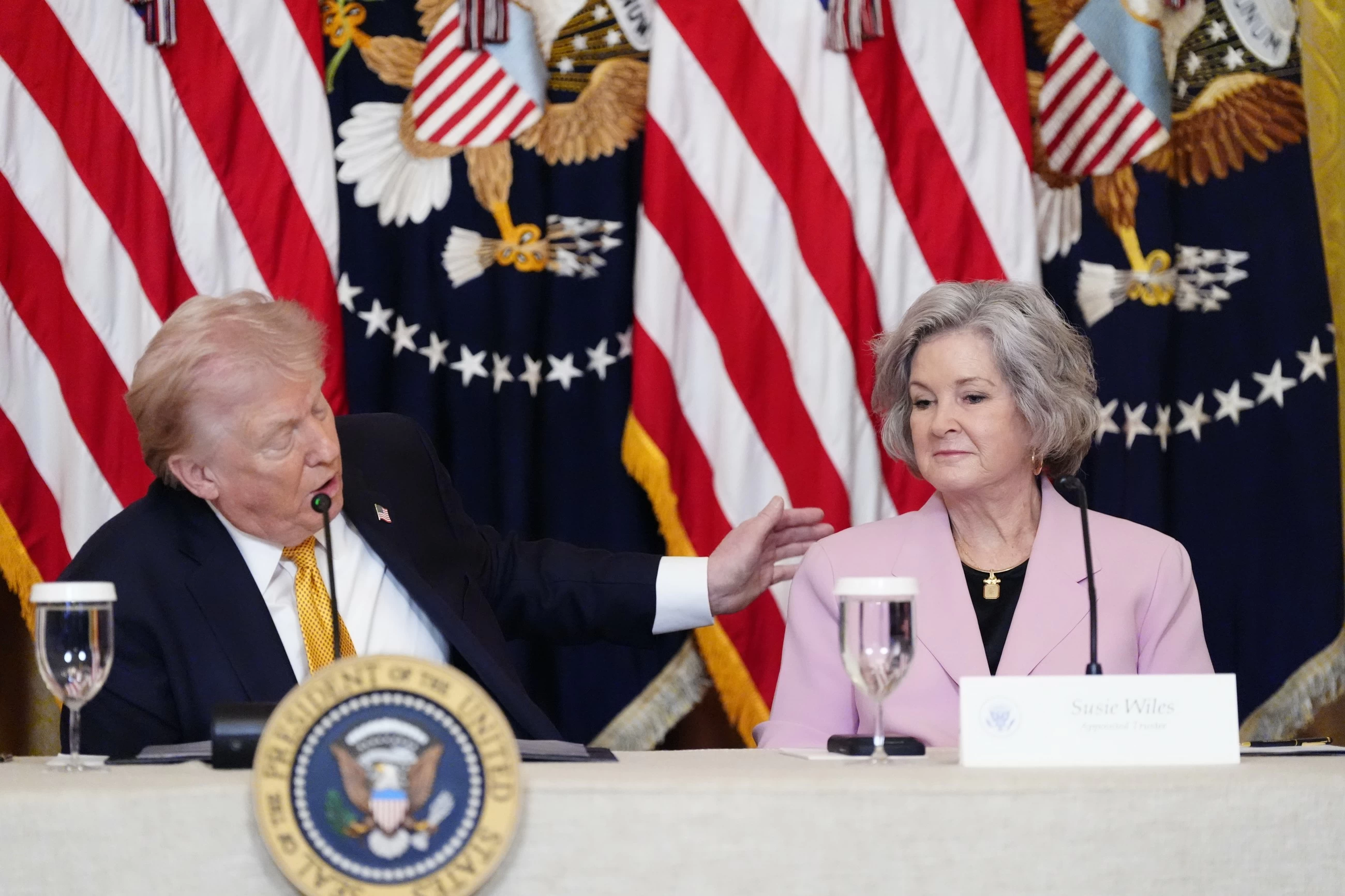
Donald Trump has triggered fresh controversy after using crude language about Saudi Crown Prince Mohammed bin Salman at the Future Investment Initiative Institute summit in Miami Beach, telling the audience the Saudi leader had not expected to “be kissing my a” and adding that “now he has to be nice to me.” The remarks, delivered on 27 March at the Saudi-backed forum, drew attention because they came at an event designed to showcase Gulf investment power and deepen commercial ties with the United States.
The episode stood out not only for its language but for the setting. The Miami summit was part of the FII network backed by Saudi interests and scheduled for 25-27 March at the Faena venue in Miami Beach. Reuters had reported ahead of the gathering that Trump was expected to attend a dinner hosted by Yasir Al-Rumayyan, governor of Saudi Arabia’s Public Investment Fund, underlining how closely the event was tied to Riyadh’s effort to project economic clout in the US market.
Trump’s words also exposed the unusually personal style that has long shaped his dealings with Gulf rulers. What might once have been handled behind closed doors was instead turned into public political theatre, with praise and humiliation folded into the same passage. Reuters’ account of the speech described it as a mix of jibe and admiration, reflecting Trump’s belief that Washington now holds greater leverage over Riyadh. That framing matters because it suggests the White House sees the relationship less as a traditional alliance of mutual restraint and more as a transactional arrangement in which public displays of deference are part of the bargain.
That tone lands at a delicate time for Saudi Arabia. Gulf states have been balancing security worries, investor messaging and the economic shock from the expanding confrontation with Iran. Reporting around the same period has indicated that Saudi officials were presenting the region as resilient and investible even as conflict risk hung over energy routes and cross-border security. At the Miami summit itself, Gulf figures stressed diversification, logistics, technology and finance, trying to reassure investors that the region could absorb geopolitical strain. Trump’s vulgar aside cut directly across that carefully managed image.
For Mohammed bin Salman, the moment was awkward because it came after months of visible progress in relations with Trump. Since Trump’s return to office, Washington and Riyadh have pressed ahead with a deeper economic and strategic partnership. Reuters reported in January 2025 that Trump wanted Saudi investment in the United States raised to $1 trillion. By May 2025, he was publicly saying his Saudi trip would add more than $1 trillion in investment and purchases, and by November Reuters was reporting $1 trillion in Saudi spending commitments across sectors including energy, defence and artificial intelligence.
Those deals have helped move Mohammed bin Salman further into the diplomatic mainstream despite the long shadow cast by the 2018 killing of Jamal Khashoggi. The Washington Post and Reuters both reported in November 2025 that Trump gave the crown prince a warm White House welcome, a striking public rehabilitation for a leader once treated in Washington as politically toxic. The Post also reported that Trump later defended the prince over Khashoggi’s killing, despite the US intelligence assessment that had previously linked Mohammed bin Salman to approval of the operation.
That background helps explain why the Miami remark resonated beyond its shock value. Trump was not attacking an adversary. He was talking about a leader his administration had courted, hosted and celebrated as central to business, defence and regional diplomacy. The contradiction captures a familiar feature of Trump’s foreign policy: personal warmth can coexist with public insult, and allies can be praised as indispensable one day and cut down rhetorically the next. His comments on the same Miami appearance also questioned the depth of US obligations to NATO, reinforcing the sense that alliances under Trump are judged by immediate utility rather than diplomatic convention.
The article Trump’s MBS jibe rattles Gulf optics appeared first on Arabian Post.
What's Your Reaction?