






























Women in Medicine: Integrating Wellness at Every Level
The demands on female professionals extend beyond the workplace — many juggle careers and family, often one at the expense of the other. Creating systems that allow women to thrive benefits the entire healthcare landscape. The post Women in Medicine: Integrating Wellness at Every Level appeared first on Education and Career News.

The demands on female professionals extend beyond the workplace — many juggle careers and family, often one at the expense of the other. Creating systems that allow women to thrive benefits the entire healthcare landscape.
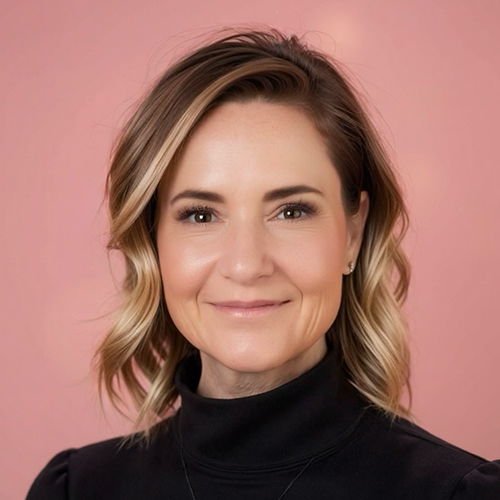
Sian Jones-Jobst, M.D., FAAP
Board-Certified Pediatrician, Complete Children’s Health (Lincoln, Neb.)
The role of women in medicine has changed drastically. Medical school enrollment reached gender parity in 2005, and in the 2024–25 academic year, women constituted 56% of the total medical school enrollment in M.D. programs. However, despite the increase in the proportion of women matriculating from medical school, significant gender inequality exists.
Studies show that women physicians are disproportionately punished for errors and experience greater workplace hostility and harassment in residency and beyond. Women physicians are often overlooked for leadership roles and face continued salary inequality. They often experience professional isolation, particularly in male dominated specialties. Bullying, sexual harassment, and lack of recognition by fellow physicians, other healthcare workers, institutional leadership, and even the patients they serve, all contribute to higher rates of attrition and burnout for women physicians.
The modern reality
The demands of modern medical practice are intense: high stress work environments, long clinical hours, growing administrative burdens, escalating productivity requirements due to declining reimbursements, and expectations of constant availability. Women physicians are often expected to also take on invisible, uncompensated labor, particularly emotional labor — often referred to as the “motherhood penalty.”
These work demands often coexist with disproportionate responsibilities outside of work, including caring for children and aging parents and household management. Unfortunately, despite the changing gender demographics in the physician workforce, the culture and structure of medicine remain largely unchanged from an era when physicians were assumed to have full-time support at home, an expectation that doesn’t fit the modern reality for most women.
Many women physicians delay childbearing due to the extensive time and physical demands of medical school and residency. The median age of a first-year physician out of residency is 33–35 years of age. Delaying childbearing brings with it the challenges of infertility and higher risk pregnancy. Early career physicians face the pressures of mothering young children while building a new practice. Many women are also suddenly faced with the need to care for elderly parents.
The need for sustainable solutions
Because of external household and family demands, many women choose to limit their workload partially or all together. Within six years of completing residency training nearly three-quarters of women physicians report reducing work hours to part-time or considering part-time work compared to only 3.6% of male physicians due to the demands of family. Due to the lack of flexible work hours or part-time opportunities, some women physicians give up their medical careers entirely, a tragic loss for our community due to the accelerating shortage of physicians in the workforce.
Despite efforts in recent years to address burnout and promote wellness for physicians, little progress has been made to meet the challenges facing women in medicine. Wellness programs often focus on practicing mindfulness, prioritizing “self-care” or setting better boundaries. Despite having value, these strategies place the burden on individuals rather than seeking sustainable solutions to meet the needs of the workforce.
Structuring real work-life balance
At a time when physician shortages are growing, failing to support women physicians is both a moral and operational failure. Wellness is not separate from professionalism or excellence. Physicians who are supported are more engaged, more present with patients, and more likely to remain in practice long term. Creating environments that allow women to thrive benefits the entire healthcare system and our communities.
The conversation must shift from resilience to responsibility. Instead of asking women how they will cope, we must ask institutions how they will change. Work-life balance should not depend on personal sacrifice or quiet endurance alone. Women in medicine do not lack dedication, capability, or resilience — they lack a system willing to meet them partway. Until wellness is embedded into the structure of medical practice rather than treated as an optional add-on, the promise of work-life balance will remain unfulfilled, and women and their families will continue to bear the cost, damaging the healthcare system as a whole.
The post Women in Medicine: Integrating Wellness at Every Level appeared first on Education and Career News.
What's Your Reaction?