























‘Undertone’ uses audio and soundscapes to scare you
Alfred Hitchcock famously claimed he didn’t watch his films in theatres. When asked if he missed out on hearing the audience scream, he said, “No. I can hear them scream when I’m making the picture.” While Ian Tuason, the mind behind the buzzy new auditory horror “Undertone,” reveres and references Hitchcock as much as the next horror filmmaker, he has to disagree with him on this one. For Tuason, the real screams are the point.“My favourite thing about this whole process is just watching it with audiences. I think that’s probably why I wanted to make a horror film ... just to kind of witness the reactions,” Tuason said in a recent interview with The Associated Press. “The same way as when you tell a ghost story at a campfire, it doesn’t feel that great unless you see your friend scared.” His debut film “Undertone,” which opens in theatres on Friday (yes, the 13th), is already doing just that. After playing at the Sundance Film Festival, it had some calling it the “scariest movie you’ll ever hear.”“Undertone” is a minimalist horror, set in one location, with essentially one character. Evy (Nina Kiri) is a paranormal podcaster who is taking care of her dying, comatose mother upstairs. She’s the skeptic of the podcast, which she does with a remote co-host (Adam DiMarco) in the middle of the night. Nothing can scare her, but this new investigation, in which they try to decode a series of unnerving audio files sent anonymously, has rattled her.Tuason always dreamed of being a filmmaker, but he began his career in virtual reality and made a name for himself as an early proponent of immersive 3D sound for his cinematic horror shorts, which have been viewed millions of times. Soundscapes became his calling card. So, when he sat down to write “Undertone,” he included every audio cue, resulting in a 250-page script.“Sound in movies, it makes space for the audience to imagine what they’re not seeing,” Tuason said. “Whatever you imagine that’s scary is going to be way scarier than what I can show you. There’s going to be millions of different versions of this movie in millions of minds and that’s all because of the power of suggestion driven by sound and a lot of negative space.”In the process of shooting, he even found himself taking out a lot of the visuals he thought he’d need, stripping it down to its barest form: A woman listening to audio clips through her noise canceling headphones and freaking herself, and the audience, out. They figured it out with the help of a local Toronto postproduction studio, REDLAB. When A24 came on board to distribute the film, they were able to do the mix again in Dolby.“It’s definitely meant to be seen in the theater in Dolby, because that is the exact vision that Ian had,” said producer Cody Calahan. “But at home, on headphones, alone, it is a different experience ... You can kind of watch it twice.” Behind the film is a deeply personal story of demons, loss and grief. In 2020, during the pandemic, both his parents received terminal cancer diagnoses, and he moved back home to their Toronto suburbs to care for them. His mom died a few months later, followed by his father two and a half years later. During that time, Tuason was drinking a lot too, but also writing, melding together an audio play he’d created with the story of a lone caregiver.He wrote it figuring that he’d just have to make it himself with whatever resources he had. It could be set in his childhood home (nothing to rent) and feature one actor (“I could afford that,” he said). And he didn’t hold back: Even he was surprised by his own capacity for honesty about some of his darkest moments.“I didn’t really have to write in a way where I’m trying to pitch it,” Tuason said. “I think that’s what gave it its honesty. Because I was going to make it either way.”Associated Press
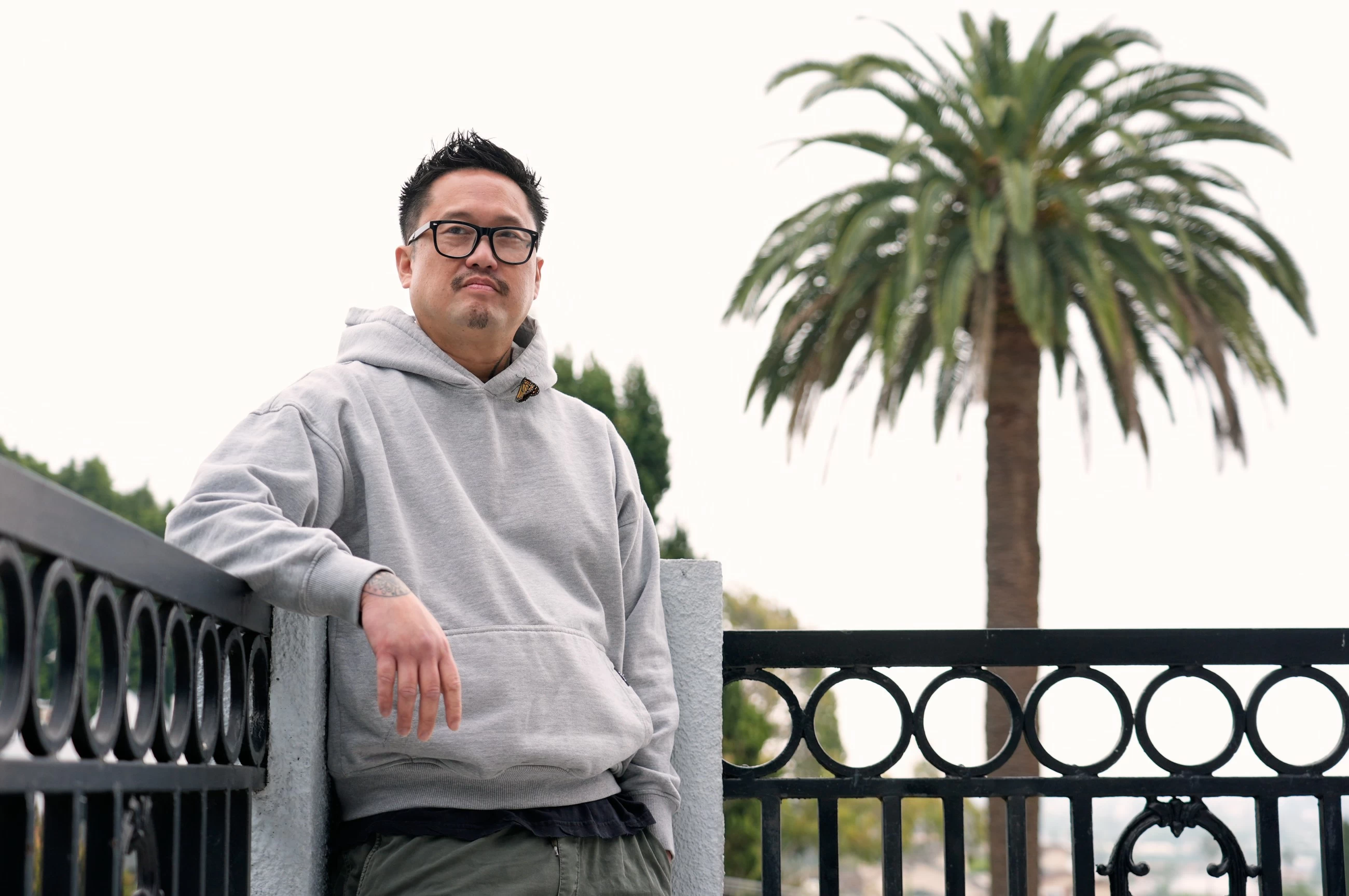
Alfred Hitchcock famously claimed he didn’t watch his films in theatres. When asked if he missed out on hearing the audience scream, he said, “No. I can hear them scream when I’m making the picture.” While Ian Tuason, the mind behind the buzzy new auditory horror “Undertone,” reveres and references Hitchcock as much as the next horror filmmaker, he has to disagree with him on this one. For Tuason, the real screams are the point.“My favourite thing about this whole process is just watching it with audiences. I think that’s probably why I wanted to make a horror film ... just to kind of witness the reactions,” Tuason said in a recent interview with The Associated Press. “The same way as when you tell a ghost story at a campfire, it doesn’t feel that great unless you see your friend scared.” His debut film “Undertone,” which opens in theatres on Friday (yes, the 13th), is already doing just that. After playing at the Sundance Film Festival, it had some calling it the “scariest movie you’ll ever hear.”“Undertone” is a minimalist horror, set in one location, with essentially one character. Evy (Nina Kiri) is a paranormal podcaster who is taking care of her dying, comatose mother upstairs. She’s the skeptic of the podcast, which she does with a remote co-host (Adam DiMarco) in the middle of the night. Nothing can scare her, but this new investigation, in which they try to decode a series of unnerving audio files sent anonymously, has rattled her.Tuason always dreamed of being a filmmaker, but he began his career in virtual reality and made a name for himself as an early proponent of immersive 3D sound for his cinematic horror shorts, which have been viewed millions of times. Soundscapes became his calling card. So, when he sat down to write “Undertone,” he included every audio cue, resulting in a 250-page script.“Sound in movies, it makes space for the audience to imagine what they’re not seeing,” Tuason said. “Whatever you imagine that’s scary is going to be way scarier than what I can show you. There’s going to be millions of different versions of this movie in millions of minds and that’s all because of the power of suggestion driven by sound and a lot of negative space.”In the process of shooting, he even found himself taking out a lot of the visuals he thought he’d need, stripping it down to its barest form: A woman listening to audio clips through her noise canceling headphones and freaking herself, and the audience, out. They figured it out with the help of a local Toronto postproduction studio, REDLAB. When A24 came on board to distribute the film, they were able to do the mix again in Dolby.“It’s definitely meant to be seen in the theater in Dolby, because that is the exact vision that Ian had,” said producer Cody Calahan. “But at home, on headphones, alone, it is a different experience ... You can kind of watch it twice.” Behind the film is a deeply personal story of demons, loss and grief. In 2020, during the pandemic, both his parents received terminal cancer diagnoses, and he moved back home to their Toronto suburbs to care for them. His mom died a few months later, followed by his father two and a half years later. During that time, Tuason was drinking a lot too, but also writing, melding together an audio play he’d created with the story of a lone caregiver.He wrote it figuring that he’d just have to make it himself with whatever resources he had. It could be set in his childhood home (nothing to rent) and feature one actor (“I could afford that,” he said). And he didn’t hold back: Even he was surprised by his own capacity for honesty about some of his darkest moments.“I didn’t really have to write in a way where I’m trying to pitch it,” Tuason said. “I think that’s what gave it its honesty. Because I was going to make it either way.”Associated Press
What's Your Reaction?








DDP Editor
Admin managing news updates, RSS feed curation, and PR content publishing. Focused on timely, accurate, and impactful information delivery.