




























TAO dips as geopolitics reshape crypto flows
Bittensor’s TAO token has fallen towards the $270 mark as escalating tensions around the Strait of Hormuz ripple through global markets, prompting investors to rotate capital across digital assets and reassess risk exposure tied to artificial intelligence-linked cryptocurrencies. The decline reflects a broader pullback in crypto markets as geopolitical uncertainty drives volatility across risk assets. Analysts point to heightened concerns over energy supply disruptions in the Gulf […]The article TAO dips as geopolitics reshape crypto flows appeared first on Arabian Post.

Bittensor’s TAO token has fallen towards the $270 mark as escalating tensions around the Strait of Hormuz ripple through global markets, prompting investors to rotate capital across digital assets and reassess risk exposure tied to artificial intelligence-linked cryptocurrencies.
The decline reflects a broader pullback in crypto markets as geopolitical uncertainty drives volatility across risk assets. Analysts point to heightened concerns over energy supply disruptions in the Gulf region, which have historically influenced investor sentiment far beyond oil markets. Digital assets, often treated as high-beta proxies for macro risk, have shown sensitivity to such developments, with TAO among the tokens experiencing sharper corrections.
TAO, the native token of the decentralised machine learning network Bittensor, had gained attention over the past year amid growing interest in AI-linked blockchain projects. The protocol allows participants to contribute computing power and machine learning models in exchange for token rewards, positioning it at the intersection of two of the most closely watched sectors in technology. However, this narrative has also exposed the token to rapid shifts in capital flows as traders rebalance portfolios in response to changing macroeconomic signals.
Market participants indicate that the downturn is not solely driven by geopolitical factors but also by a broader rotation within the crypto ecosystem. Capital has been moving from smaller, narrative-driven tokens into larger, more liquid assets such as Bitcoin and Ethereum during periods of uncertainty. This shift tends to intensify declines in tokens like TAO, which, despite their technological promise, remain relatively niche and more volatile.
Trading data suggests that liquidity conditions have tightened, with lower volumes amplifying price swings. Such conditions often lead to exaggerated movements, particularly in tokens tied to emerging themes like decentralised AI. While institutional interest in AI-driven blockchain projects has grown, analysts caution that these assets remain highly speculative and sensitive to broader market sentiment.
The evolving role of AI within the crypto landscape has further complicated price dynamics. Over the past year, projects such as Bittensor have benefited from a surge in interest in generative AI technologies, drawing parallels between decentralised networks and traditional cloud-based AI infrastructure. Investors have increasingly viewed these platforms as potential alternatives to centralised AI providers, fuelling speculative inflows.
However, the same narrative has also contributed to volatility. As traditional technology stocks tied to AI undergo their own cycles of valuation adjustments, crypto assets linked to similar themes have mirrored these fluctuations. The result is a feedback loop where sentiment in one sector influences the other, even in the absence of direct operational linkages.
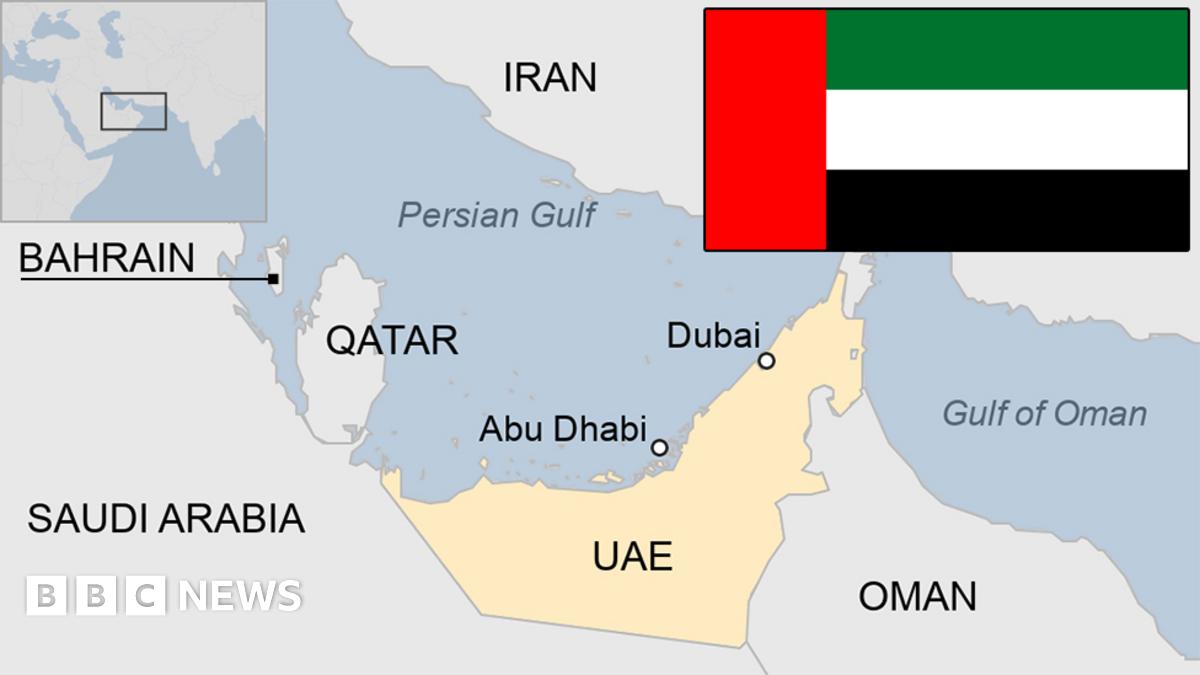
Geopolitical tensions have added another layer of complexity. The Strait of Hormuz, a critical chokepoint for global energy supplies, has long been a flashpoint with implications for oil prices and broader economic stability. Rising tensions in the region have led to increased risk aversion among global investors, with capital shifting towards safer assets. Cryptocurrencies, often perceived as speculative, tend to face selling pressure in such environments.
Energy market dynamics also play an indirect role in crypto valuations. Higher oil prices can influence inflation expectations and monetary policy outlooks, both of which have downstream effects on digital assets. In addition, concerns over energy costs can affect the economics of crypto mining and infrastructure, although this impact is more pronounced for proof-of-work networks than for tokens like TAO.
Despite the current downturn, some analysts maintain that the long-term outlook for decentralised AI projects remains intact. They argue that the underlying technology continues to evolve, with increasing participation from developers and researchers. Bittensor’s network, in particular, has seen growth in the number of contributors and the diversity of machine learning models being deployed.
At the same time, sceptics highlight structural challenges. Questions remain over the scalability of decentralised AI networks, their ability to compete with established cloud providers, and the sustainability of token-based incentive models. Regulatory scrutiny is also expected to increase as authorities examine the intersection of AI and blockchain technologies.
Investor behaviour suggests a cautious approach in the near term. Portfolio managers are closely monitoring macroeconomic indicators, including interest rate expectations and geopolitical developments, before re-entering higher-risk segments of the crypto market. The shift towards established assets during periods of uncertainty indicates that confidence in emerging tokens like TAO is still contingent on broader market stability.
Arabian Post – Crypto News Network
The article TAO dips as geopolitics reshape crypto flows appeared first on Arabian Post.
What's Your Reaction?