
































Renault moves to fully acquire Flexis venture
Renault is set to take full control of Flexis, the electric van joint venture it formed with Volvo Group and CMA CGM, marking a decisive shift in the French carmaker’s strategy to consolidate its position in the fast-growing light commercial vehicle segment. The company confirmed it will buy out the stakes held by truckmaker Volvo and shipping group CMA CGM in the venture, which was launched to […] The article Renault moves to fully acquire Flexis venture appeared first on Arabian Post.
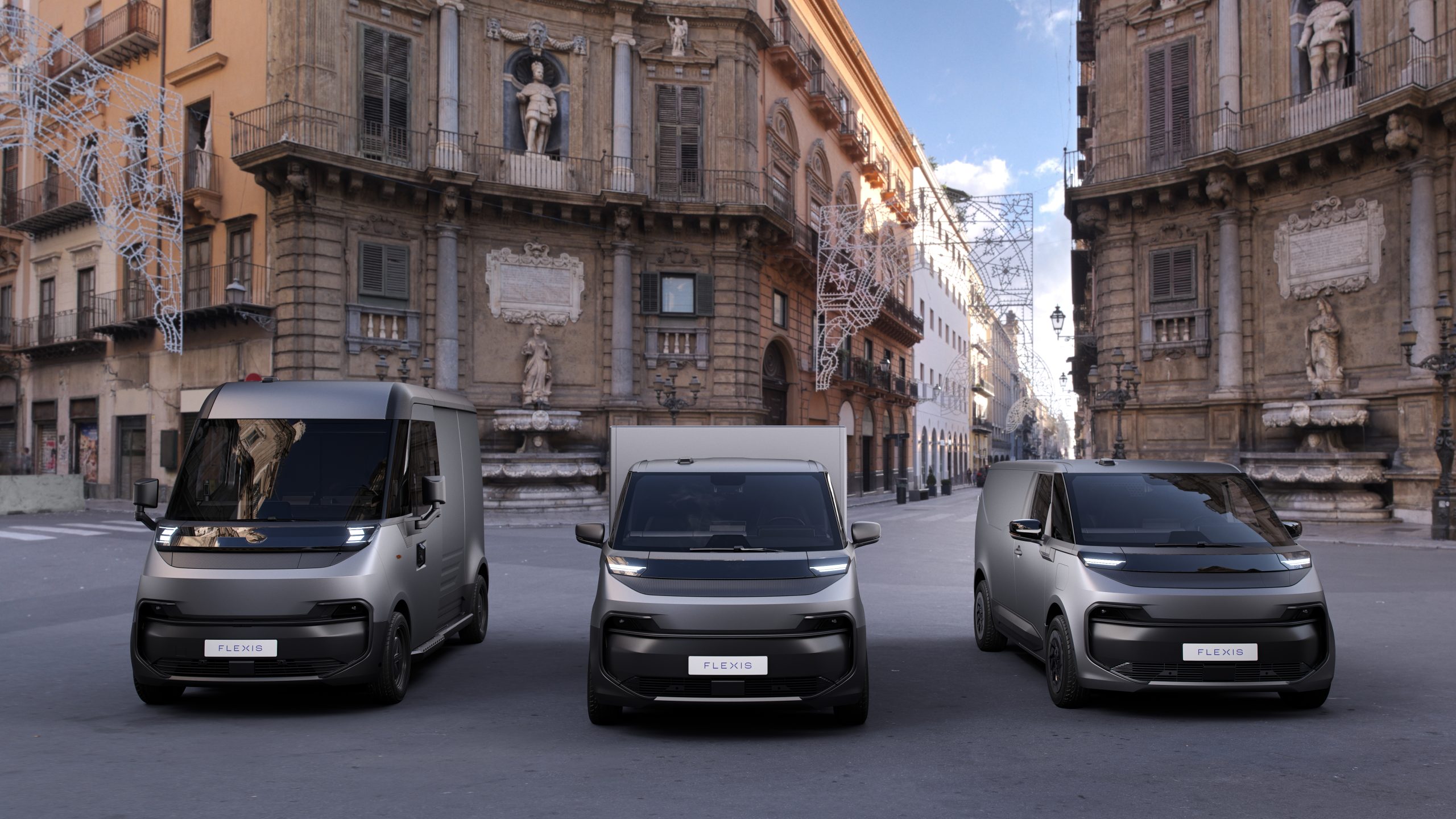
Renault is set to take full control of Flexis, the electric van joint venture it formed with Volvo Group and CMA CGM, marking a decisive shift in the French carmaker’s strategy to consolidate its position in the fast-growing light commercial vehicle segment.
The company confirmed it will buy out the stakes held by truckmaker Volvo and shipping group CMA CGM in the venture, which was launched to develop a new generation of fully electric vans aimed at European markets. Financial terms of the transaction were not disclosed, and the deal remains subject to regulatory approval.
Flexis was unveiled in 2023 as a tripartite partnership designed to combine Renault’s vehicle manufacturing expertise, Volvo Group’s experience in commercial transport solutions and CMA CGM’s logistics capabilities. The venture was structured to design and manufacture software-defined electric vans built on a dedicated skateboard platform, with production planned at Renault’s Sandouville plant in northern France.
Renault’s decision to assume sole ownership signals a recalibration of priorities as it seeks tighter integration of its electric light commercial vehicle operations. Executives have described the move as a way to streamline governance and accelerate decision-making at a time when competition in the zero-emission van market is intensifying across Europe.
The European Union’s increasingly stringent emissions standards and city-level restrictions on diesel vehicles have driven demand for electric commercial fleets. Major automotive groups, including Stellantis and Ford, have expanded their electric van offerings, while Chinese manufacturers are also targeting the region with competitively priced models. Industry analysts say scale, software capability and cost control are emerging as decisive factors.
Flexis was conceived to address those pressures. The venture’s vans are designed with modular architecture, enabling multiple body styles and battery configurations. The focus has been on urban logistics, last-mile delivery and fleet customers seeking connected, data-driven vehicles that can integrate with logistics platforms.
Volvo Group, which is separate from Volvo Cars, entered the partnership as part of its broader push into electric transport solutions. While it has concentrated on heavy-duty electric trucks and buses, the light commercial segment offered complementary growth potential. CMA CGM, one of the world’s largest shipping lines, brought a prospective customer base and operational insight into freight and parcel distribution.
Renault’s latest move reflects a broader transformation underway within the company. Under chief executive Luca de Meo, the group has reorganised its operations to sharpen focus on electrification and profitability. It carved out its electric vehicle and software business into a dedicated unit, Ampere, while restructuring alliances and partnerships to reduce complexity.
The consolidation of Flexis aligns with that approach. By bringing the venture fully in-house, Renault can integrate the platform more closely with its existing electric light commercial range, which includes models such as the Kangoo E-Tech and the Master E-Tech. The Sandouville facility, historically associated with larger vans like the Trafic, is being repositioned as a hub for next-generation electric production.
Market conditions have been uneven for electric vehicles in Europe, with consumer demand fluctuating as subsidies are adjusted and charging infrastructure expands at varying speeds. However, the commercial vehicle segment has proved comparatively resilient. Fleet operators often base purchasing decisions on total cost of ownership, regulatory compliance and corporate decarbonisation targets rather than upfront sticker price alone.
Data from industry bodies show electric van registrations have continued to rise as a share of new light commercial vehicle sales in several European markets, even as passenger car growth has moderated. Analysts note that urban emission zones in cities such as Paris, Amsterdam and Berlin are reshaping procurement strategies for delivery companies and municipal fleets.
Flexis was designed to capitalise on that shift by offering vehicles built around digital architecture, allowing over-the-air updates and advanced fleet management integration. Renault has emphasised that software-defined vehicles will play a central role in its competitiveness, enabling new revenue streams through connected services.
Volvo Group and CMA CGM have not signalled a retreat from electrification more broadly. Volvo continues to invest heavily in battery-electric and hydrogen-powered trucks, while CMA CGM has been expanding into logistics and multimodal transport, including air cargo and last-mile delivery. Their exit from Flexis suggests a strategic choice to concentrate resources on core operations rather than a wholesale change in direction.
Renault’s balance sheet has strengthened over the past year, aided by cost controls and improved margins in certain segments. The company has also reshaped its longstanding alliance with Nissan, reducing cross-shareholdings and seeking greater operational independence. That context may have influenced the decision to consolidate Flexis, ensuring clearer alignment with Renault’s standalone industrial roadmap.
Labour representatives in France have previously welcomed investment in electric vehicle production as a means of safeguarding employment at domestic plants. The Sandouville site, which employs thousands of workers, is central to the Flexis project. Full ownership could provide Renault with greater flexibility in allocating production volumes and managing supply chains as battery sourcing and component costs evolve.
The article Renault moves to fully acquire Flexis venture appeared first on Arabian Post.
What's Your Reaction?