


























Polymarket wager on Maduro ouster fuels scrutiny and regulation push
A prediction market investor banked more than $400,000 by wagering on the ousting of Venezuelan President Nicolás Maduro shortly before U. S. forces captured him, thrusting opaque online betting platforms into the spotlight and renewing debate over insider trading and regulatory oversight. The anonymous trader placed significant bets on Polymarket, a crypto-based prediction market, in the days leading up to the dramatic U. S. intervention in Venezuela’s […] The article Polymarket wager on Maduro ouster fuels scrutiny and regulation push appeared first on Arabian Post.
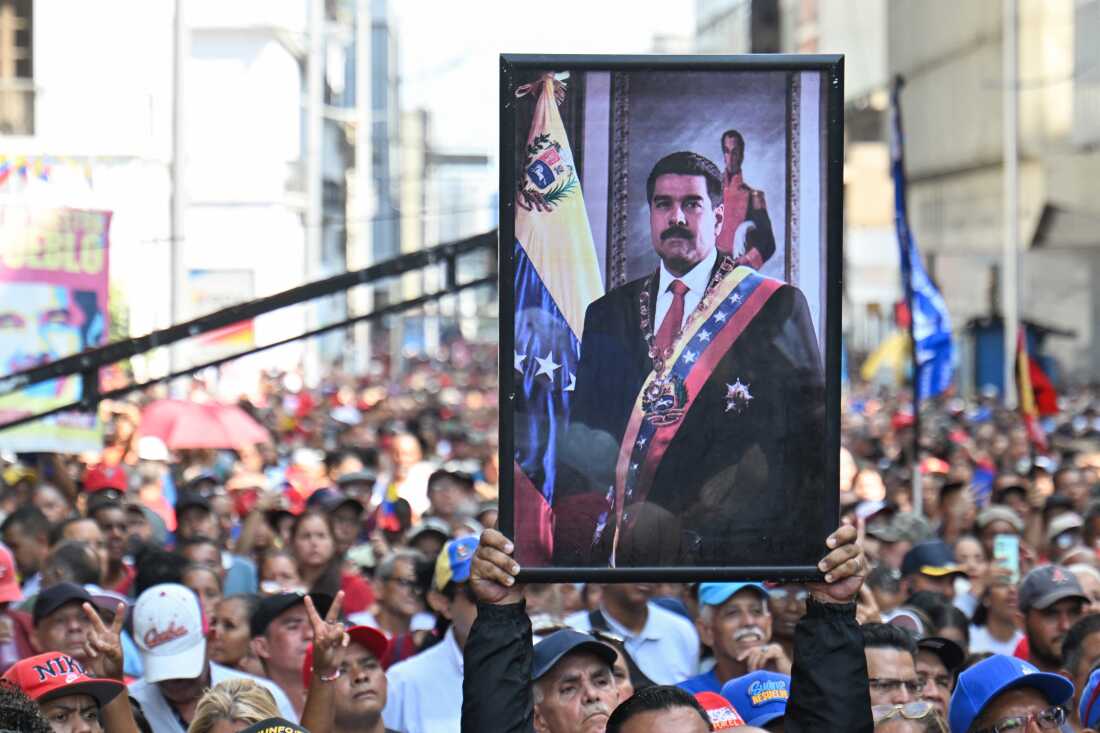
A prediction market investor banked more than $400,000 by wagering on the ousting of Venezuelan President Nicolás Maduro shortly before U. S. forces captured him, thrusting opaque online betting platforms into the spotlight and renewing debate over insider trading and regulatory oversight. The anonymous trader placed significant bets on Polymarket, a crypto-based prediction market, in the days leading up to the dramatic U. S. intervention in Venezuela’s capital, generating exceptional returns from a relatively modest stake and prompting politicians and industry critics to call for tighter controls on such markets.
The wager was executed via Polymarket’s event contracts, which allow users to speculate on outcomes ranging from geopolitical events to cultural milestones. Documents and trading records show the account, created in late December, built up positions on contracts tied to Maduro’s removal, and after U. S. special operations forces carried out a raid in Caracas that led to his capture, the value of those contracts surged. The trader’s profits exceeded $400,000 on an initial outlay reportedly in the low tens of thousands of dollars, drawing scrutiny over the timing and apparent foresight of the bets.
The circumstances have intensified concerns about the potential for insider trading in prediction markets, which operate with less stringent oversight than traditional financial exchanges. Critics argue that the ability to place large, well-timed bets on politically sensitive events could signal access to non-public information or coordination with actors privy to forthcoming developments. Some on social media and within financial circles have speculated about the origins of the trades, though there is no verified evidence that the winning account had access to classified information.
Reaction from U. S. lawmakers has been swift. Representative Ritchie Torres has proposed the Public Integrity in Financial Prediction Markets Act of 2026, which would ban federal officials and certain government staff from participating in prediction markets on political or government policy outcomes to reduce conflicts of interest and the risk of exploitation of privileged information. More than 30 House Democrats have backed efforts to restrict such trading, framing it as a necessary step to preserve public trust and market integrity amid rapid growth in event-based speculation.
The episode has exposed regulatory and ethical grey areas. Polymarket and similar platforms are overseen by the U. S. Commodity Futures Trading Commission as event contract sellers, which allows them to skirt many state-level gambling restrictions but also places them outside the full ambit of financial market regulation. This framework has enabled the market’s expansion while leaving questions about transparency, accountability and market manipulation unresolved. Critics say the existing classification fails to address the unique challenges of politically charged wagers.
Polymarket itself has faced controversy before. The company was fined and subjected to enforcement actions by the CFTC in earlier years for regulatory violations, and its operations have been blocked in several countries for breaching local gambling laws. A subsequent acquisition of a CFTC-licensed exchange allowed it to resume U. S. operations under new compliance measures, but the platform’s maturity as a regulated entity remains a topic of debate among legal experts and industry observers.
Participants in financial markets have reacted with mixed sentiment. Some view prediction platforms as innovative tools for forecasting real-world outcomes and democratising access to event risk pricing. Proponents argue that markets like Polymarket can aggregate dispersed information efficiently and provide insights that traditional analysts might miss. Others caution that without robust surveillance and anti-abuse mechanisms, such markets resemble speculative gambling more than structured financial instruments, potentially attracting bad actors and undermining their informational value.
Polymarket’s handling of related markets has also drawn criticism. Following the capture of Maduro, the platform declined to settle certain contracts tied to whether the United States would “invade” Venezuela, arguing the event’s specific conditions were not met, a decision that frustrated some traders and highlighted the challenges of defining outcomes in geopolitically complex scenarios. The refusal to pay out on those bets, while settling others, has triggered debates over consistency and fairness in market rules.
The broader context includes rapid growth in the prediction market industry, with competitors and mainstream financial brands entering the space. Platforms such as Kalshi have expanded offerings to include election and sports event contracts, while established brokerages and social media ventures are exploring prediction-based features. This expansion has heightened regulatory urgency, with analysts warning that the current patchwork of oversight may be inadequate to address emerging systemic and ethical risks.
The article Polymarket wager on Maduro ouster fuels scrutiny and regulation push appeared first on Arabian Post.
What's Your Reaction?