






















Merchant ships caught in widening Gulf attacks
Arabian Post Staff -Dubai Commercial shipping across the Gulf and the Strait of Hormuz has come under direct attack after a series of coordinated strikes hit at least five vessels, leaving one crew member dead and several ships damaged or ablaze amid escalating regional conflict. Explosive-laden boats believed to be linked to Iran struck two fuel tankers in Iraqi waters near the port of Al-Faw, igniting fires […] The article Merchant ships caught in widening Gulf attacks appeared first on Arabian Post.

Arabian Post Staff -Dubai
Explosive-laden boats believed to be linked to Iran struck two fuel tankers in Iraqi waters near the port of Al-Faw, igniting fires aboard both vessels and triggering emergency rescue operations. Maritime security officials said the attacks were followed by projectile strikes on three additional commercial ships moving through Gulf shipping lanes, turning one of the world’s busiest energy corridors into an increasingly dangerous battleground.
The incidents form part of a broader wave of maritime attacks linked to the war involving Iran and a coalition led by the United States and Israel. Tankers and cargo ships travelling through the narrow waterway — which carries roughly a fifth of global oil supply — have increasingly found themselves on the front line of the conflict.
Details emerging from shipping authorities and port officials indicate the two tankers targeted in Iraqi waters were the Marshall Islands-flagged Safesea Vishnu and the Malta-registered Zefyros. Both vessels were carrying fuel oil when they were struck by explosive boats that rammed their hulls, igniting fires on board. One crew member died during the attack while rescue teams evacuated dozens of sailors from the burning ships.
Damage extended beyond the Iraqi coastline. Three additional merchant vessels navigating waters near the Strait of Hormuz were struck by projectiles during the same period. Among them were the Thai-flagged bulk carrier Mayuree Naree, the Japan-registered container ship ONE Majesty, and the Marshall Islands-flagged Star Gwyneth. The Thai vessel suffered a fire after being hit and three crew members were reported missing following the strike.
Another ship sailing near Jebel Ali port in the United Arab Emirates was also reported to have been hit by a projectile hours later, suggesting a wider campaign targeting commercial shipping across the region.
Maritime risk analysts say the attacks mark a sharp escalation in the conflict’s impact on global trade routes. Shipping traffic through the Strait of Hormuz has slowed dramatically as shipowners and charterers weigh the risk of sending vessels through waters exposed to missile strikes, drone attacks and explosive boats.
The waterway remains one of the most critical chokepoints in the global energy system. Tankers carrying crude oil and liquefied natural gas from Gulf producers regularly transit the strait on their way to Asia, Europe and North America. Any disruption to that corridor can have immediate consequences for energy markets and freight rates.
Financial markets reacted swiftly as news of the attacks spread. Oil prices surged above $100 a barrel amid fears that the conflict could disrupt supply flows from Gulf producers and limit tanker movements through the strait.
Security officials and shipping firms have also warned that the attacks represent a shift in tactics. Instead of targeting naval vessels or fixed infrastructure, the campaign appears to focus on commercial ships linked to Western economies or their allies.
Iran’s Revolutionary Guards have signalled that energy exports to countries supporting military operations against Tehran could become legitimate targets if the war continues. That threat has raised alarm among maritime insurers and shipping companies responsible for transporting crude oil, refined fuel and containerised cargo through Gulf routes.
Insurance premiums for ships entering the Gulf have climbed sharply as underwriters reassess the risk of operating in the area. War-risk surcharges for tankers have multiplied in some cases, adding millions of dollars to the cost of a single voyage.
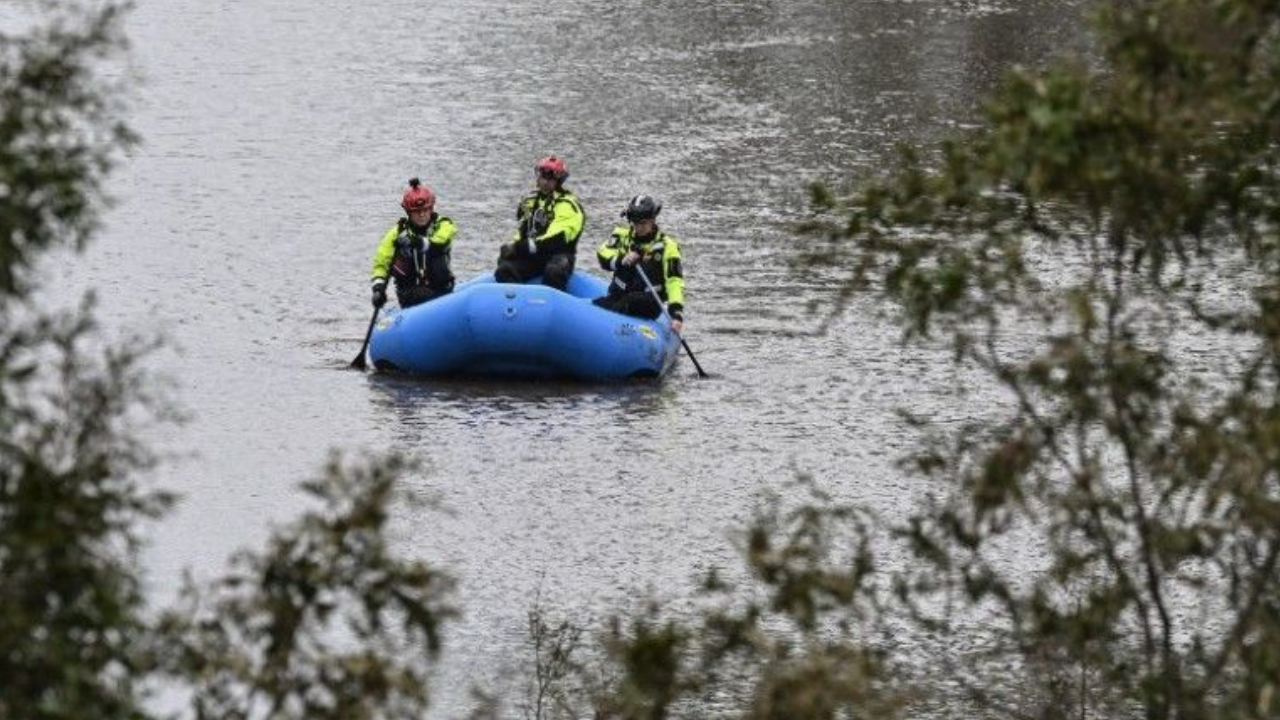
Regional port authorities have intensified security measures in response. Rescue vessels and firefighting teams were deployed after the tanker explosions near Iraq’s southern coast, while naval forces from several countries monitored traffic around the Strait of Hormuz.
Calls have emerged for coordinated naval escorts to protect merchant shipping, echoing measures taken during earlier conflicts in the Gulf. Military planners and shipping executives are discussing convoy arrangements that could allow tankers and cargo ships to transit the strait under armed protection.
Historical precedent looms over the situation. During the Iran-Iraq war of the 1980s, attacks on oil tankers led to an international naval presence aimed at safeguarding shipping through the same strategic corridor. The latest escalation has revived comparisons with that period, often described as the “tanker war”, when commercial vessels became frequent targets.
Shipping companies now face difficult choices about routing cargoes through the region. Some operators are considering diversions or delays, while others are continuing voyages but with heightened security protocols and communication with naval forces.
Humanitarian concerns have also emerged alongside the strategic implications. Crews working aboard merchant ships represent a multinational workforce drawn from Asia, Europe and the Middle East. Maritime unions and labour organisations have urged shipping firms to prioritise crew safety and ensure that seafarers are not placed in unnecessary danger while the conflict intensifies.
The article Merchant ships caught in widening Gulf attacks appeared first on Arabian Post.
What's Your Reaction?