


















MEA construction surge keeps UAE at centre of capital flow
A $3tn pipeline of real estate and infrastructure projects across the Middle East and Africa between 2026 and 2030 is sharpening investor focus on the region’s capacity to sustain high growth into 2026, with the UAE expected to account for a substantial share of capital deployment, according to new industry assessments. Market projections point to project cash flows of about $795bn in the UAE over the same […] The article MEA construction surge keeps UAE at centre of capital flow appeared first on Arabian Post.
A $3tn pipeline of real estate and infrastructure projects across the Middle East and Africa between 2026 and 2030 is sharpening investor focus on the region’s capacity to sustain high growth into 2026, with the UAE expected to account for a substantial share of capital deployment, according to new industry assessments.
Market projections point to project cash flows of about $795bn in the UAE over the same five-year period, including roughly $470bn earmarked for real estate development. The scale of planned investment underlines the country’s position as the anchor market within MEA, supported by population growth, diversification away from hydrocarbons, and a regulatory environment that continues to attract global capital.
Analysts tracking construction and real estate cycles say the projected pipeline reflects a convergence of long-term demographic trends and policy-led development strategies. Urbanisation across the Gulf, coupled with the expansion of transport, logistics and tourism infrastructure in parts of Africa, is driving demand for large, multi-year projects. Within this landscape, the UAE stands out for its ability to move from planning to execution at pace, helped by established developers, deep financing channels and experience in managing mega-projects.
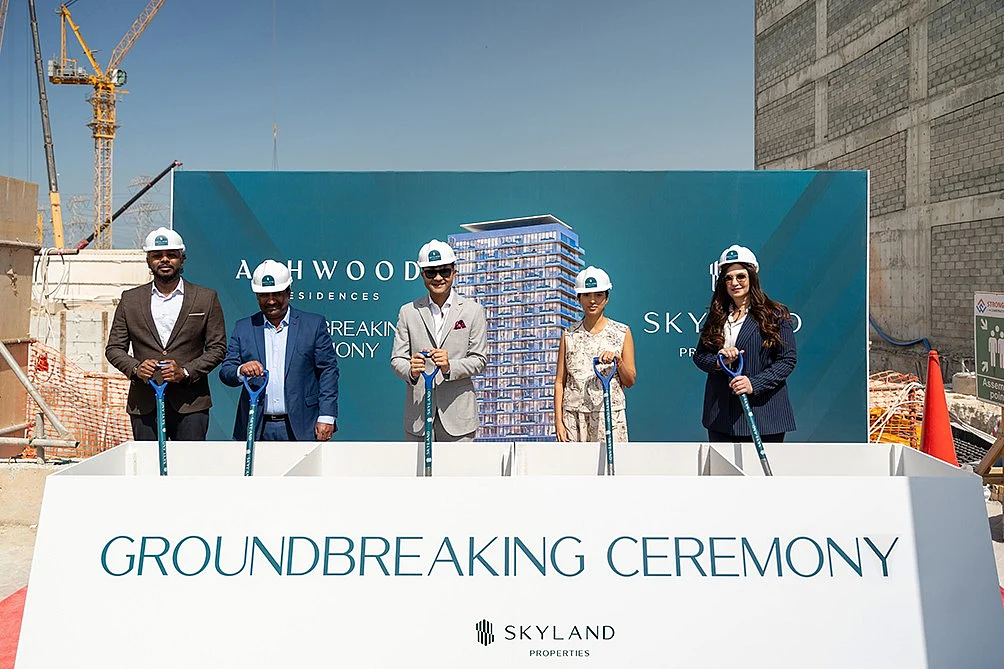
The bulk of UAE real estate investment is expected to be concentrated in residential, mixed-use and hospitality assets, with Dubai and Abu Dhabi remaining the primary hubs. Demand for housing continues to be shaped by population inflows linked to employment growth, long-term residency programmes and the expansion of free zones catering to technology, finance and professional services. Commercial real estate, particularly Grade A office space, is also projected to absorb capital as multinational firms expand regional headquarters operations.
Infrastructure spending is set to complement this property-led growth. Transport networks, utilities, digital infrastructure and energy transition projects form a significant portion of the wider MEA pipeline. In the UAE, ongoing investments in ports, airports and rail links are designed to reinforce the country’s role as a logistics and trade gateway connecting Asia, Africa and Europe. Power and water infrastructure, including renewable energy capacity and grid upgrades, is also positioned as a major beneficiary of long-term capital commitments.
Across the wider MEA region, governments are increasingly using public-private partnership models to fund infrastructure, reducing pressure on state balance sheets while attracting institutional investors seeking predictable returns. Sovereign wealth funds, regional banks and international asset managers are expected to remain key players, alongside construction firms and developers with a track record in complex projects.
Industry experts caution that the scale of the pipeline brings execution risks. Rising construction costs, supply-chain constraints and labour availability remain factors that could affect timelines and budgets. Inflation in materials and skilled labour has moderated compared with earlier peaks, but volatility remains a consideration for developers and financiers structuring multi-year investments. Environmental and sustainability standards are also becoming more prominent, adding complexity but also shaping demand for green buildings and low-carbon infrastructure.
The UAE’s ability to mitigate these risks is closely linked to regulatory clarity and planning discipline. Zoning frameworks, off-plan sales regulations and escrow requirements have evolved over the past decade, contributing to market stability and investor confidence. The emphasis on master-planned developments and phased delivery is seen as a buffer against oversupply, particularly in residential segments that have historically been cyclical.
Africa’s share of the MEA pipeline is expected to be driven largely by infrastructure rather than real estate, with transport corridors, power generation and urban utilities attracting the bulk of planned investment. While political and currency risks vary widely across markets, proponents argue that long-term demand fundamentals and improving policy frameworks are drawing increased attention from development finance institutions and private capital alike.
For the UAE, sustained inflows into real estate and infrastructure are also tied to broader economic strategy. Non-oil sectors now account for the majority of gross domestic product, and construction activity is closely linked to growth in tourism, manufacturing, logistics and financial services. Large-scale developments are positioned not just as assets in their own right but as enablers of wider economic activity.
The article MEA construction surge keeps UAE at centre of capital flow appeared first on Arabian Post.
What's Your Reaction?