


























Markets sleepwalking into an energy shock
Oil is repricing fast. Markets aren’t pricing the consequences. Brent crude has surged more than 55% in March to around $115 a barrel, one of the sharpest monthly moves on record, as conflict involving the US, Israel and Iran intensifies and threats to energy infrastructure escalate. Yet across equities, bonds and currencies, positioning still reflects the belief that this is temporary and reversible. Markets are underestimating what […]The article Markets sleepwalking into an energy shock appeared first on Arabian Post.

Oil is repricing fast. Markets aren’t pricing the consequences.
Brent crude has surged more than 55% in March to around $115 a barrel, one of the sharpest monthly moves on record, as conflict involving the US, Israel and Iran intensifies and threats to energy infrastructure escalate.
Yet across equities, bonds and currencies, positioning still reflects the belief that this is temporary and reversible.
Markets are underestimating what follows, in my opinion.
Focus remains fixed on the speed of the move. Duration carries far greater significance. Oil at these levels, sustained rather than fleeting, feeds directly into inflation, growth expectations and asset pricing across the global system.
Energy runs through transport, manufacturing, agriculture and consumer pricing. The last inflation cycle demonstrated how quickly higher fuel costs cascade through economies.
Conditions now point to a renewed impulse, driven by disruption to supply routes and infrastructure rather than demand strength.
The Strait of Hormuz is central to this shift. Roughly 20% of global oil supply passes through this corridor. Pressure on flows is no longer theoretical. Delays, rising insurance costs and increased military presence are already affecting movement.
Any sustained constraint removes millions of barrels per day from accessible supply in a market where spare capacity remains limited.
Pricing frameworks built on rapid normalisation are being stretched.
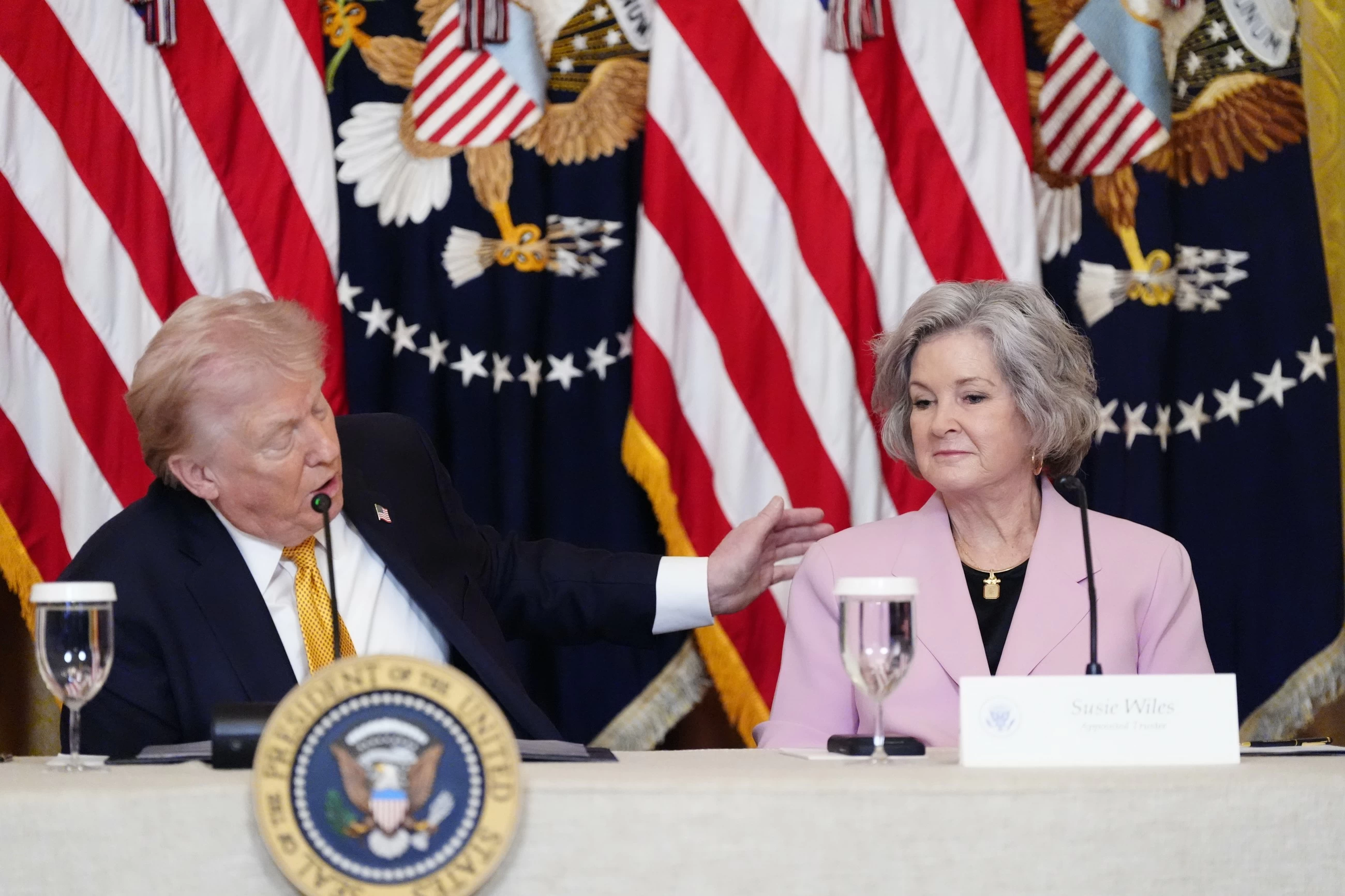
Political signals are adding further complexity. Donald Trump has openly discussed taking control of Iranian oil assets, including the export hub at Kharg Island, while also indicating that a deal remains possible.
Markets must now incorporate policy intent as an active driver of pricing. Supply is shaped not only by production and demand, but by control over assets and transit routes.
This has immediate consequences for inflation expectations.
Oil above $100 feeds into headline inflation and then into core components through second-round effects. Transport costs rise; food prices follow. Businesses pass through higher input costs where possible and absorb them where margins are constrained. Both outcomes weigh on growth.
Bond markets are particularly sensitive.
Higher inflation expectations require higher yields. Government borrowing costs adjust accordingly. In major economies with elevated debt levels, even modest shifts in yields carry weight.
Sovereign bond markets, which have been anchored by assumptions of easing inflation, are now exposed to repricing.
Currency markets add another layer.
Energy-importing economies require more foreign currency as prices rise, widening trade deficits and placing downward pressure on exchange rates. Exporters benefit from improved terms of trade. This divergence is already emerging and is likely to widen if disruption persists.
Equities are beginning to reflect parts of this adjustment.
Energy-intensive sectors face rising costs, while producers benefit from higher prices. Regional divergence is becoming clearer, with markets more exposed to imported energy showing greater vulnerability.
However, broader positioning still leans on the assumption that oil will retreat and conditions will stabilise.
That assumption looks increasingly fragile.
Supply chains are tighter than in previous cycles, spare capacity is constrained, and risks now extend beyond extraction to include transport, infrastructure and political control.
Comparisons with recent geopolitical episodes are limited in their usefulness. The structure now developing points toward more persistent pressure rather than short-lived volatility.
The divergence between economies is becoming more pronounced.
Countries with substantial domestic energy production are better insulated from global supply disruptions.
Exporters benefit directly from higher prices. Import-dependent economies face rising costs, currency pressure and weaker growth prospects. This dynamic is reshaping capital flows and relative asset performance.
Investors allocate toward resilience. In an environment of elevated energy risk, capital tends to favour markets that benefit from higher prices or are less exposed to supply disruption. This shift is, I believe, still in its early stages.
The move in oil is already significant. The broader consequences are still unfolding.
Markets are pricing the headline. The adjustment across inflation, bonds, currencies and equities remains incomplete. The risk lies in the gap between current positioning and the reality of sustained higher energy costs.
Oil is repricing fast. The next phase is what it does to everything else.
Nigel Green is deVere CEO and Founder
The article Markets sleepwalking into an energy shock appeared first on Arabian Post.
What's Your Reaction?