





















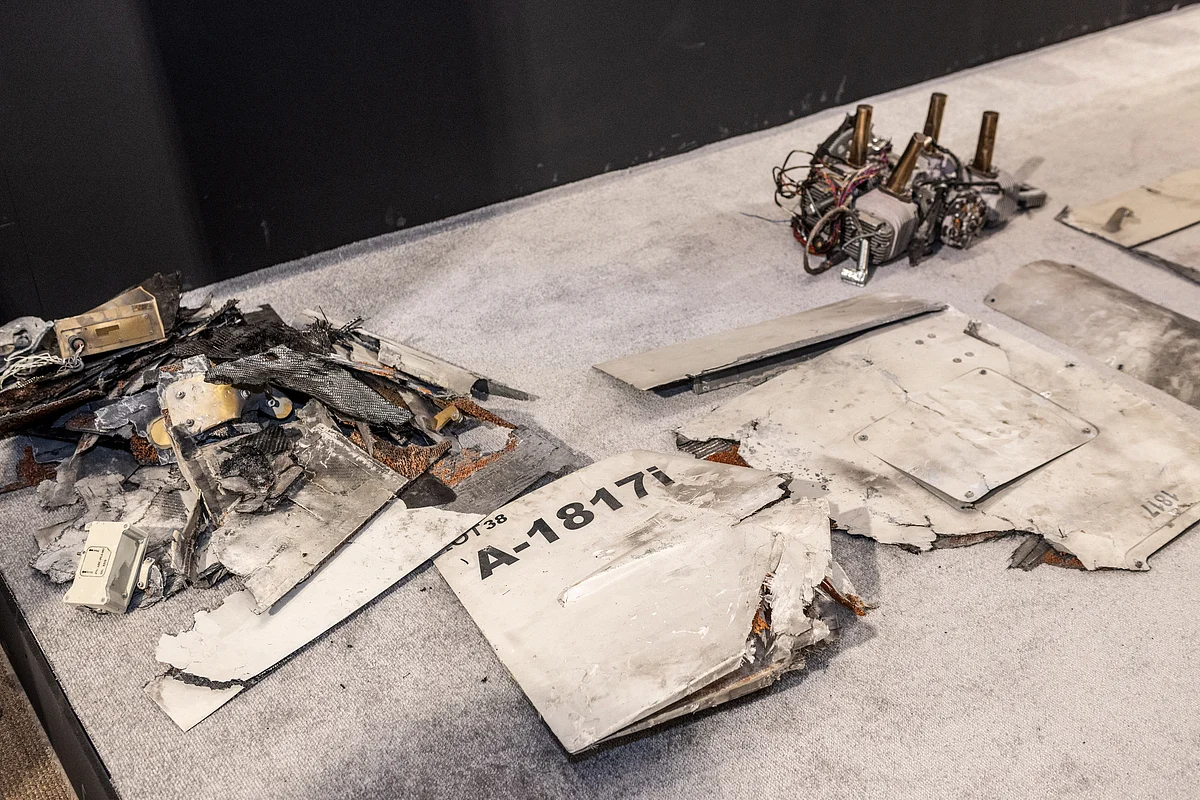


Israel fails to intercept Iranian missile; Trump gives 48-hour Hormuz ultimatum
Indian airlines flight updateAir India and Air India Express will operate 50 scheduled and non-scheduled flights to and from the West Asia region on March 22.Both airlines will continue their regular scheduled services to Jeddah and Muscat on the day, including 20 flights between India and Jeddah. Air India will operate return services from Delhi and Mumbai, while Air India Express will run flights from Bengaluru and Mangalore, along with two services from Kozhikode. Additionally, Air India Express will operate eight scheduled flights to and from Muscat, connecting cities including Delhi, Kochi, Mumbai, and Kannur.Alongside these, the carriers will also operate 30 non-scheduled flights to and from the UAE and Saudi Arabia, subject to slot availability and operational conditions at departure airports. These services will be operated with the necessary approvals from Indian and local aviation authorities.Air India and Air India Express flight operationsNo damage at Israel's Dimona nuclear site: IAEAThe International Atomic Energy Agency (IAEA) said on Saturday it was aware of reports that a projectile had struck the city of Dimona in Israel but had received no indication of damage to the Negev nuclear research center there.The agency said regional authorities reported no abnormal radiation levels following the incident and that it was closely monitoring the situation and would continue to seek further information.Blasts heard in central Israel: AFP Several blasts could be heard from Jerusalem on Sunday, AFP journalists said, after the Israeli military warned of incoming missile fire from Iran towards central Israel.Israel's Magen David Adom emergency medical service said there were no immediate reports of casualties.Failed Israeli interceptionAn earlier Iranian missile attack hit the town of Dimona in Israel, about 25km southwest of Arad. Online videos showed the missile engulfed in a ball of fire, crashing into the ground. AFP footage showed heavy damage to an apartment building, next to a crater formed in the groundMilitary spokesman Brigadier General Effie Defrin wrote on X that "air defence systems operated but did not intercept the missile, we will investigate the incident."Iranian missile attacks since the start of the war have killed 15 people in Israel as well as four Palestinian women in the occupied West Bank.While not the deadliest, Saturday's hits on Dimona and Arad were among the Iranian attacks to have inflicted the greatest damage in Israel.Sri Lanka raises fuel prices by 25%Sri Lanka raised fuel prices by 25 per cent on Sunday, the second increase in two weeks, as the country prepared for more impact from the war in the Middle East.Regular petrol was increased to 398 rupees per litre, up from 317 rupees, while diesel, the fuel commonly used for public transport, rose by 79 rupees to 382.Last week, the government ordered an eight percent increase in retail fuel prices and introduced rationing to limit consumption.Military base near Baghdad airport tragettedIran state media says drone strikes target military base near Baghdad airport.Countries importing gas via Strait of HormuzIran has blocked the Strait of Hormuz, one of the world's busiest oil shipping channels. The US President has now threatened to "obliterate" Iran's power plants if Tehran does not fully reopen the channel within 48 hours.The threat of Iranian attacks has kept most ships from getting through the strait, a narrow waterway that serves as the conduit for around a fifth of global oil and liquefied natural gas supplies, threatening a global energy shock. Its near-closure sent European gas prices surging as much as 35% last week.Take a look at the below AFP infographic showing gas exports by country via the Strait of Hormuz.Countries importing gas via the Strait of HormuzOmanis evacuated from IranThe Ministry of Foreign Affairs has confirmed the safe evacuation of a number of Omani citizens from Iran. They were brought back to Oman through coordinated land and air transport arrangements.The evacuation was conducted in close cooperation with Oman's diplomatic missions in Tehran and Ankara.Officials further stated that the authorities continue to closely monitor the situation of citizens abroad on a 24/7 basis, working in coordination with overseas diplomatic missions to ensure their safety, security, and timely support throughout the process.Cloudy skies As the UAE air defence system continues to deal with Iranian missiles and drones, the National Centre of Meteorology (NCM) has forecast rainfall over scattered areas on Sunday, March 22. Conditions are expected to be partly cloudy to cloudy, with convective clouds bringing showers across several parts of the country.Earlier updates from the met department also indicated a stormy week ahead, with expectations of rain, thunder, and possible hail in some areas. Residents are advised to stay informed about weather alerts, as conditions may continue to change.Remote learning in Israel
Indian airlines flight update
Air India and Air India Express will operate 50 scheduled and non-scheduled flights to and from the West Asia region on March 22.
Both airlines will continue their regular scheduled services to Jeddah and Muscat on the day, including 20 flights between India and Jeddah. Air India will operate return services from Delhi and Mumbai, while Air India Express will run flights from Bengaluru and Mangalore, along with two services from Kozhikode. Additionally, Air India Express will operate eight scheduled flights to and from Muscat, connecting cities including Delhi, Kochi, Mumbai, and Kannur.
Alongside these, the carriers will also operate 30 non-scheduled flights to and from the UAE and Saudi Arabia, subject to slot availability and operational conditions at departure airports. These services will be operated with the necessary approvals from Indian and local aviation authorities. Air India and Air India Express flight operations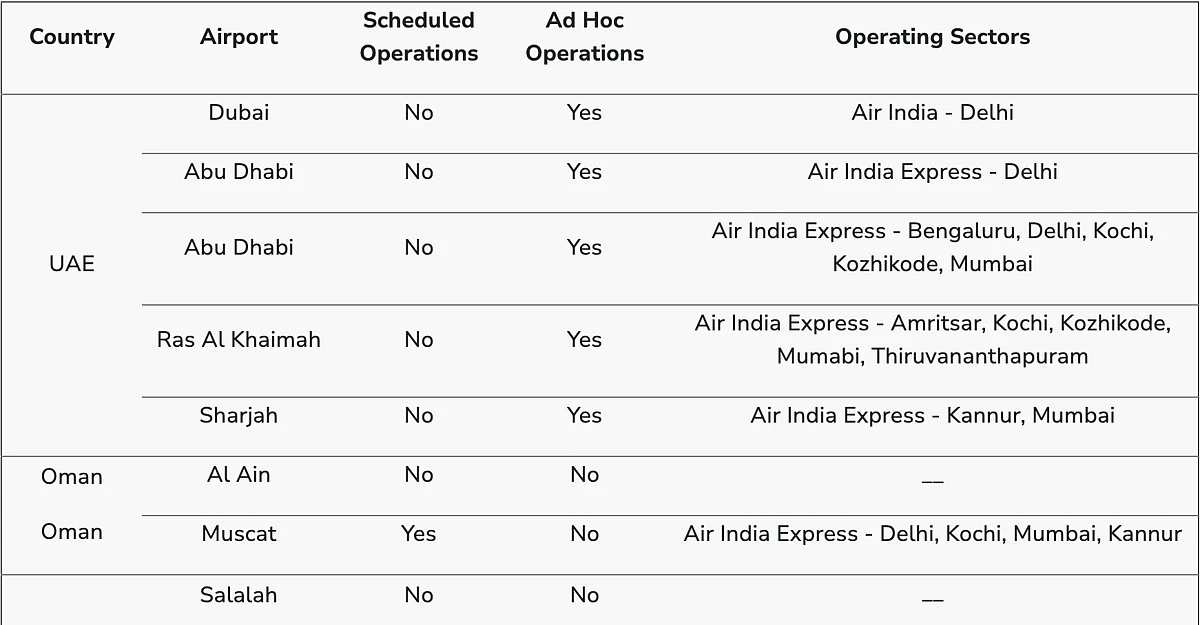
No damage at Israel's Dimona nuclear site: IAEA
The International Atomic Energy Agency (IAEA) said on Saturday it was aware of reports that a projectile had struck the city of Dimona in Israel but had received no indication of damage to the Negev nuclear research center there.
The agency said regional authorities reported no abnormal radiation levels following the incident and that it was closely monitoring the situation and would continue to seek further information.
Blasts heard in central Israel: AFP
Several blasts could be heard from Jerusalem on Sunday, AFP journalists said, after the Israeli military warned of incoming missile fire from Iran towards central Israel.
Israel's Magen David Adom emergency medical service said there were no immediate reports of casualties.
Failed Israeli interception
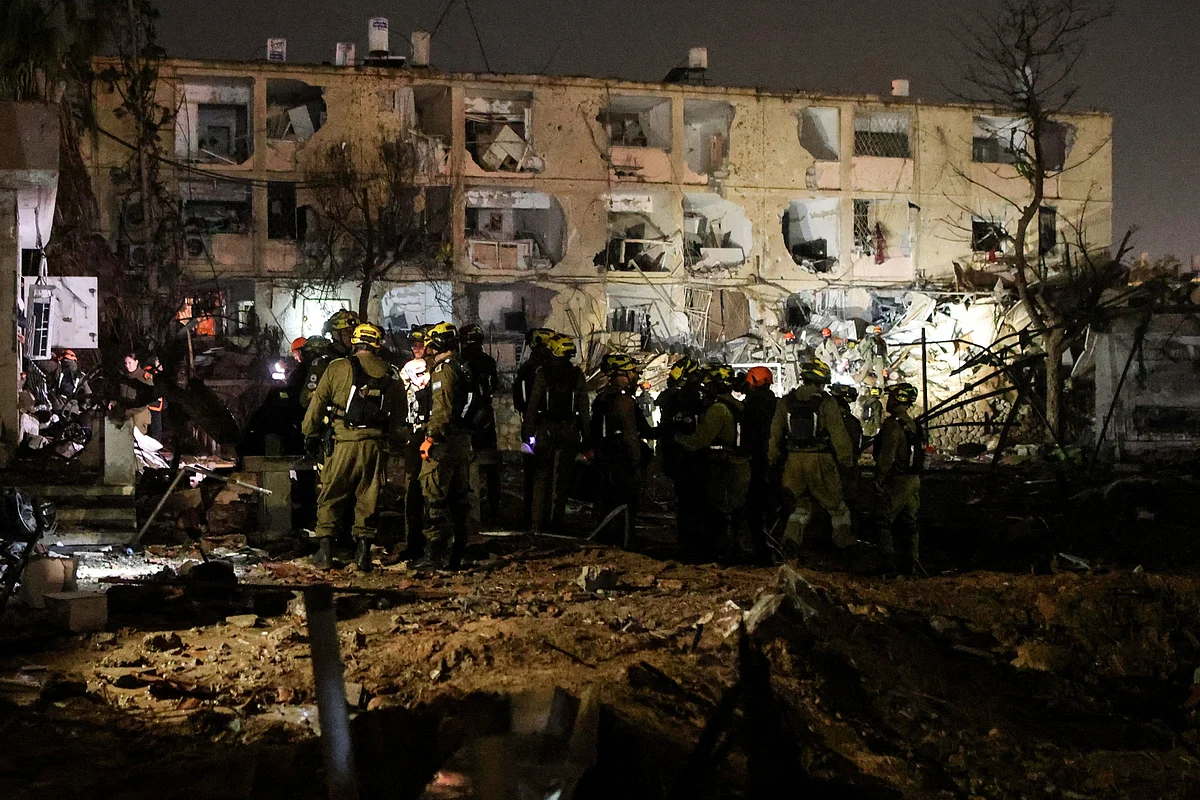
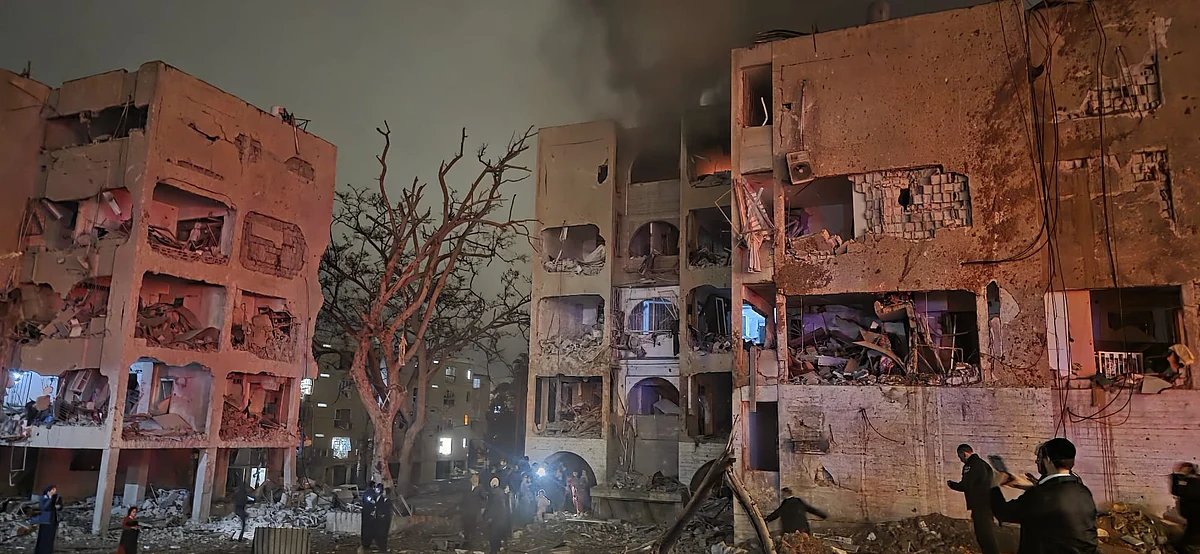
An earlier Iranian missile attack hit the town of Dimona in Israel, about 25km southwest of Arad. Online videos showed the missile engulfed in a ball of fire, crashing into the ground. AFP footage showed heavy damage to an apartment building, next to a crater formed in the ground
Military spokesman Brigadier General Effie Defrin wrote on X that "air defence systems operated but did not intercept the missile, we will investigate the incident."
Iranian missile attacks since the start of the war have killed 15 people in Israel as well as four Palestinian women in the occupied West Bank.
While not the deadliest, Saturday's hits on Dimona and Arad were among the Iranian attacks to have inflicted the greatest damage in Israel.
Sri Lanka raises fuel prices by 25%
Sri Lanka raised fuel prices by 25 per cent on Sunday, the second increase in two weeks, as the country prepared for more impact from the war in the Middle East.
Regular petrol was increased to 398 rupees per litre, up from 317 rupees, while diesel, the fuel commonly used for public transport, rose by 79 rupees to 382.
Last week, the government ordered an eight percent increase in retail fuel prices and introduced rationing to limit consumption.
Military base near Baghdad airport tragetted
Iran state media says drone strikes target military base near Baghdad airport.
Countries importing gas via Strait of Hormuz
Iran has blocked the Strait of Hormuz, one of the world's busiest oil shipping channels. The US President has now threatened to "obliterate" Iran's power plants if Tehran does not fully reopen the channel within 48 hours.
The threat of Iranian attacks has kept most ships from getting through the strait, a narrow waterway that serves as the conduit for around a fifth of global oil and liquefied natural gas supplies, threatening a global energy shock. Its near-closure sent European gas prices surging as much as 35% last week.
Take a look at the below AFP infographic showing gas exports by country via the Strait of Hormuz. Countries importing gas via the Strait of Hormuz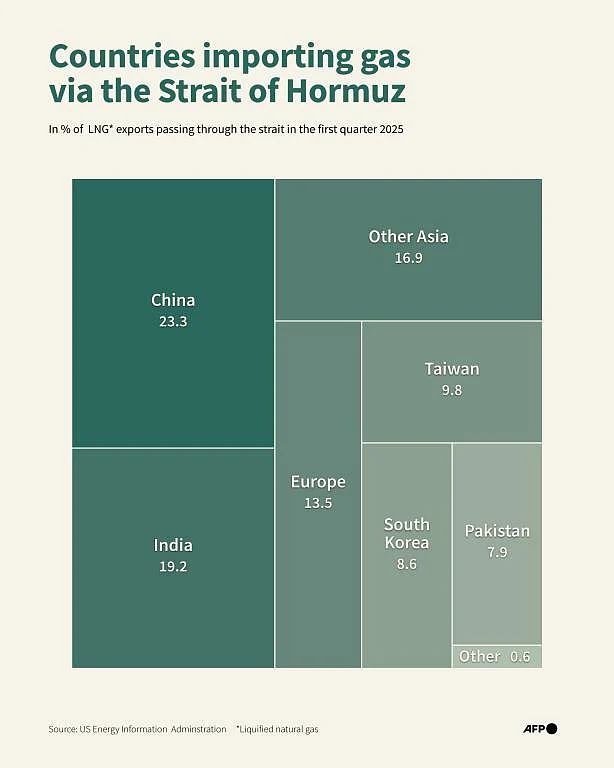
Omanis evacuated from Iran
The Ministry of Foreign Affairs has confirmed the safe evacuation of a number of Omani citizens from Iran. They were brought back to Oman through coordinated land and air transport arrangements.
The evacuation was conducted in close cooperation with Oman's diplomatic missions in Tehran and Ankara.
Officials further stated that the authorities continue to closely monitor the situation of citizens abroad on a 24/7 basis, working in coordination with overseas diplomatic missions to ensure their safety, security, and timely support throughout the process.
Cloudy skies
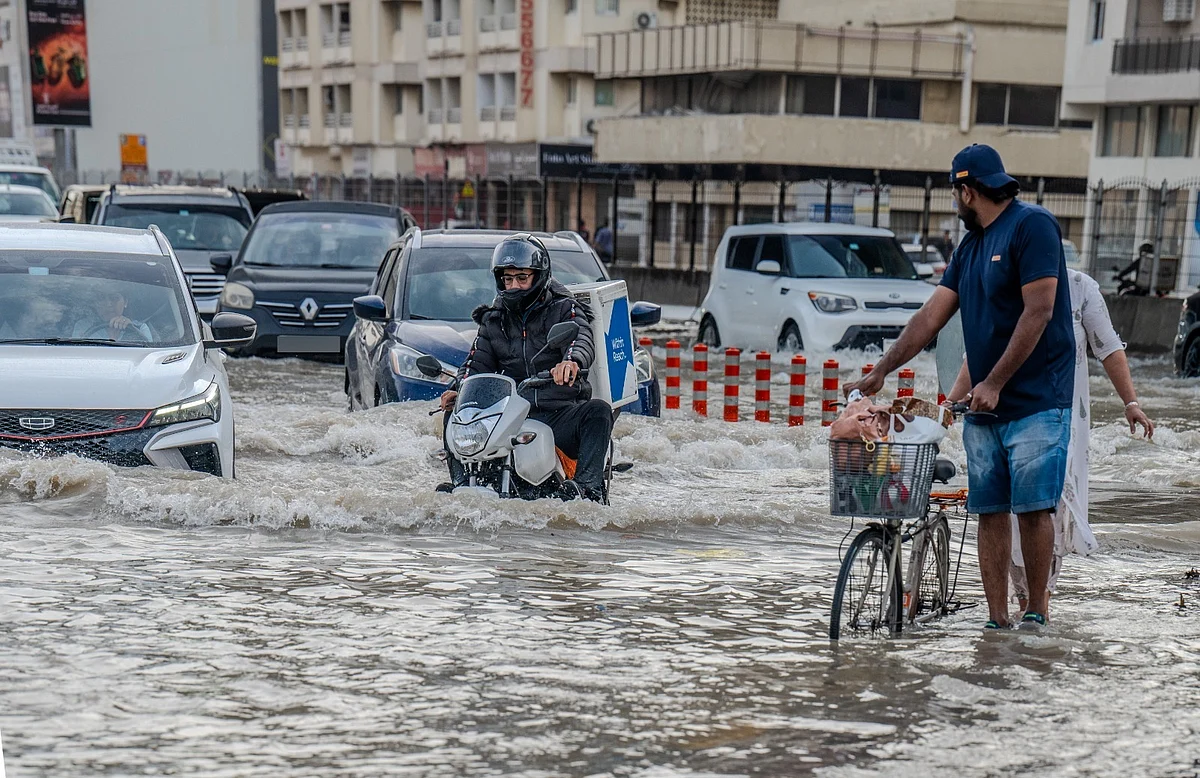
As the UAE air defence system continues to deal with Iranian missiles and drones, the National Centre of Meteorology (NCM) has forecast rainfall over scattered areas on Sunday, March 22. Conditions are expected to be partly cloudy to cloudy, with convective clouds bringing showers across several parts of the country.
Earlier updates from the met department also indicated a stormy week ahead, with expectations of rain, thunder, and possible hail in some areas. Residents are advised to stay informed about weather alerts, as conditions may continue to change.
Remote learning in Israel
In response to strikes in Dimona and Arad, Israel's Minister of Education announced a nationwide shift to remote learning. On Sunday and Monday, all previously granted exceptions have been revoked, and in-person learning will not be permitted across the country, Yoav Kisch wrote on X.
Officials have emphasised that all prior exemptions for in-person schooling are no longer valid. A new assessment of the situation is scheduled for Tuesday, after which further updates are expected.
Over 100 injured in Israel
Late on Saturday, Iranian missiles hit the southern Israeli cities of Dimona and Arad. Country's air defences were functioning but did not intercept the strikes.
The Israel Foreign Ministry said that the "Iranian regime devastated Arad and Dimona by deliberately striking civilians with missiles. Over 100 people were injured, including children. A blatant war crime. Pure terrorism."
Iran's Revolutionary Guards said in a statement early Sunday that they targeted "military installations" and security centres in southern Israel. Israel’s secretive nuclear reactor is about 13km southeast of Dimona. Both cities lie near several military sites, including Nevatim Air Base, one of the country's largest.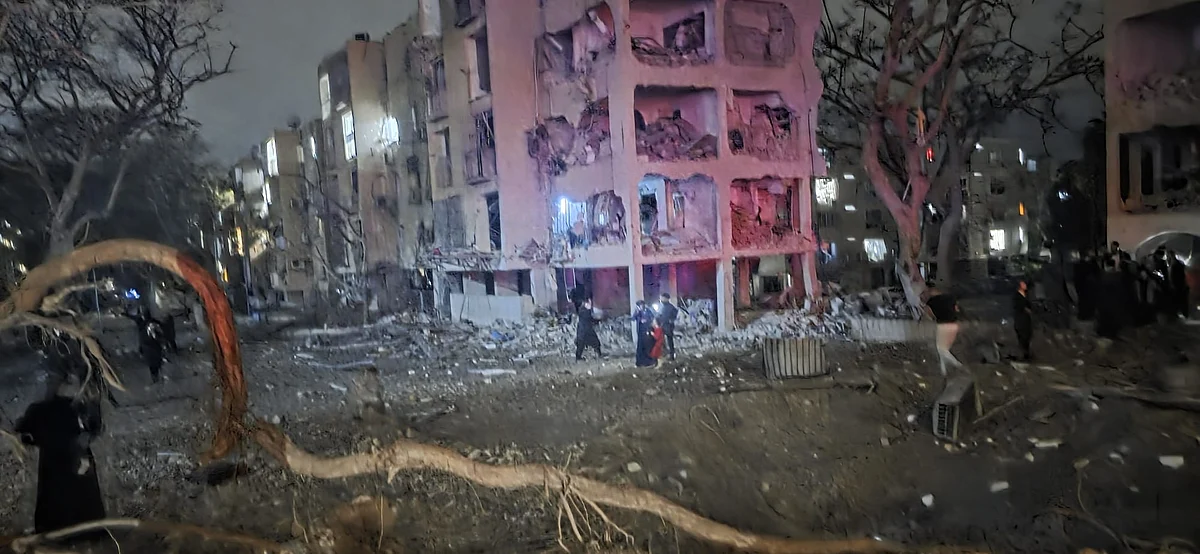
Flight operations in Kuwait
Kuwait Airways will resume scheduled flights to and from Cairo via Dammam Airport, operating four times a week on Saturdays, Sundays, Tuesdays, and Thursdays starting Thursday, March 26.
Passengers will be received at the Khairan Mall terminal on Wednesday, March 25, 24 hours before departure. The final check-in and bus transfer to the Nuwaiseeb border crossing will take place no later than eight hours before flight departure, with travel procedures completed at King Fahd International Airport in Dammam.
The airline had previously suspended all or part of its operations during airspace closures following the regional escalation and airport shutdown on February 28.
Japan could consider Hormuz minesweeping
Japan could consider deploying its military for minesweeping in the Strait of Hormuz, a vital artery for global oil supplies, if a ceasefire is reached in the U.S.-Israeli war on Iran, Foreign Minister Toshimitsu Motegi said on Sunday. Infographic with map of the Gulf showing maritime tanker traffic in September 2024 through the Strait of Hormuz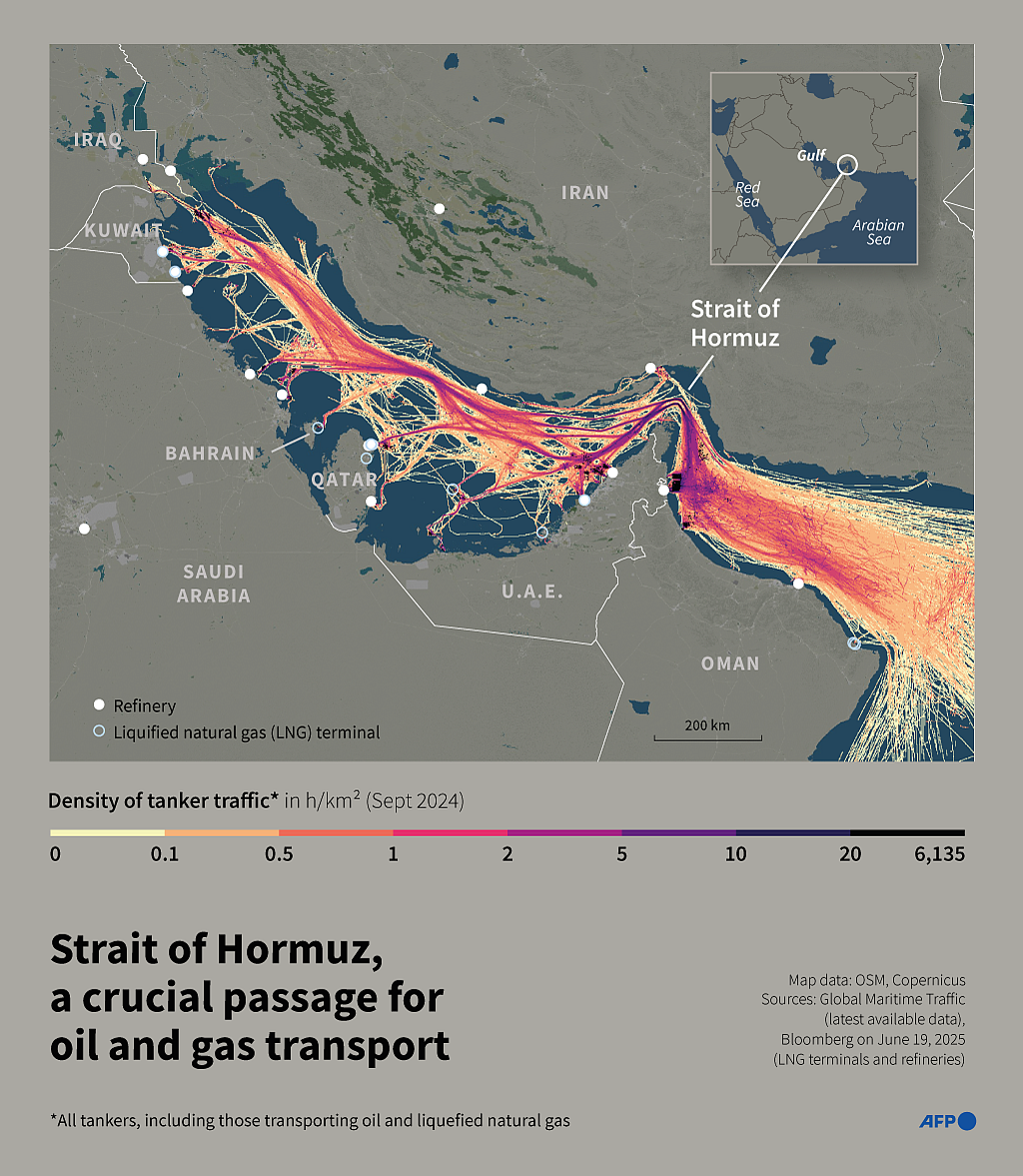
War enters Day 23
As Gulf countries continue to intercept and destroy drones and missiles launched from Iran, US President Donald Trump has delivered mixed signals on Washington’s objectives — at one point suggesting the US is considering “winding down” operations, while also issuing an ultimatum to Iran, warning of severe consequences.
Israel said Iranian forces had for the first time fired long-range missiles, expanding the risk of attacks beyond the Middle East, even as an Iranian strike injured dozens of people not far from Israel's nuclear site.
More than 2,000 people have been killed during the war. In the UAE, eight people died as a result of Iranian strikes and 160 people were also injured. UAE and 21 other countries slammed Iran over Strait of Hormuz attacks, warned of energy crisis.
Iran responds to Trump's ultimatum
In response to Trump’s 48-hour ultimatum, Iran's Khatam Al Anbiya military command headquarters said that if the US attacks its fuel and energy infrastructure, then Tehran would target all US energy, information technology and desalination infrastructure in the region.
Energy prices spiked last week after Iran responded to an Israeli attack on its major gas field by hitting Qatar's Ras Laffan Industrial City, which processes around a fifth of the world's liquefied natural gas, causing damage that will take years to repair.
Helicopter crash in Qatar
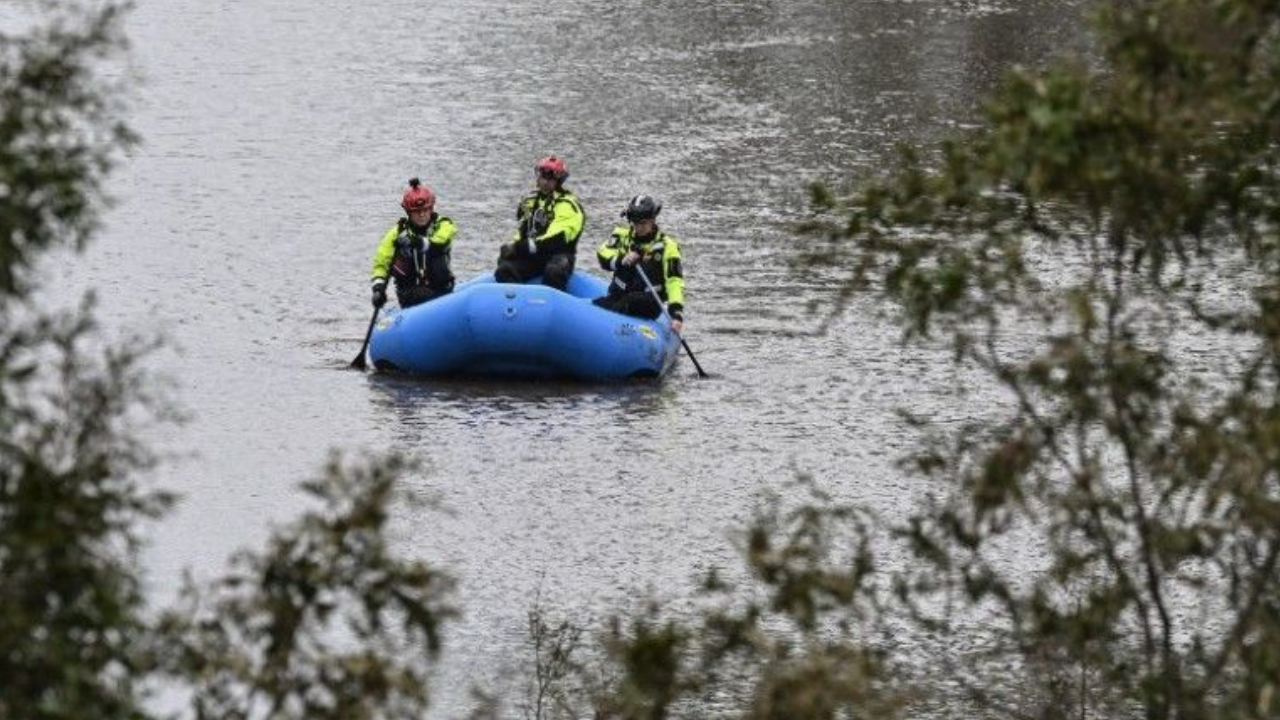
Qatar's defence ministry said early on Sunday that a Qatari helicopter had crashed in its regional waters after suffering a technical malfunction during "routine duty". It said search operations were under way for crew members and passengers.
It is unclear whether this is related to the ongoing tensions with Iran.
What to do when you get an emergency warning
As Saudi Arabia deals with incoming missiles and drones from Iran, the Civil Defence authority urged residents and citizens to remain calm and follow official instructions.
Here's how to respond to national emergency warning alerts:
Remain calm and follow official instructions.
Immediately proceed to the nearest safe place (inside a building or an interior room away from windows) and stay there until the danger has passed.
Do not leave your home or building until the danger has passed.
Stay away from open areas, windows, and glass, and do not stand on balconies or roofs.
If you are outdoors, enter the nearest building or take shelter behind a solid barrier.
Avoid crowds or going to dangerous areas, and refrain from taking photos.
If you receive the warning message while driving, pull over to the side of the road away from bridges and high-rise buildings.
If you notice any danger, call the emergency number (911) in the regions of Makkah, Madinah, Riyadh, and the Eastern Province, and (998) in the rest of the Kingdom.
How this conflict unfolded since February 28:
More drones intercepted in Eastern Region
The official spokesperson for the Ministry of Defence in Saudi Arabia confirms the interception and destruction of three drones in the Eastern Region.
Missiles over Riyadh
Saudi Arabia's defence ministry reported detecting three missiles launched toward Riyadh, with one successfully intercepted and the other two landing in an uninhabited area. No casualties were reported.
The Ministry also intercepted three drones and destroyed them in Eastern Region.
Trump threatens Iran
US President Donald Trump on Saturday threatened to "obliterate" Iran's power plants if Tehran does not fully reopen the Strait of Hormuz within 48 hours, a significant escalation barely a day after he talked about "winding down" the war.
Trump's ultimatum would expand the scope of US strikes to infrastructure that affects daily civilian life in Iran.
The threat of Iranian attacks has kept most ships from getting through the strait, a narrow waterway that serves as the conduit for around a fifth of global oil and liquefied natural gas supplies, threatening a global energy shock. Its near-closure sent European gas prices surging as much as 35% last week.
What's Your Reaction?