



















Hormuz emerges as war’s defining faultline
Tensions surrounding the Strait of Hormuz have moved to the centre of calculations in the confrontation involving Donald Trump and Iran’s leadership, as competing narratives over diplomacy and deterrence shape global energy and security outlooks. Statements from Washington suggesting Tehran is seeking terms to end hostilities contrast sharply with signals from Iranian officials, who continue to project defiance while recalibrating their strategic posture in the Gulf. The […]The article Hormuz emerges as war’s defining faultline appeared first on Arabian Post.
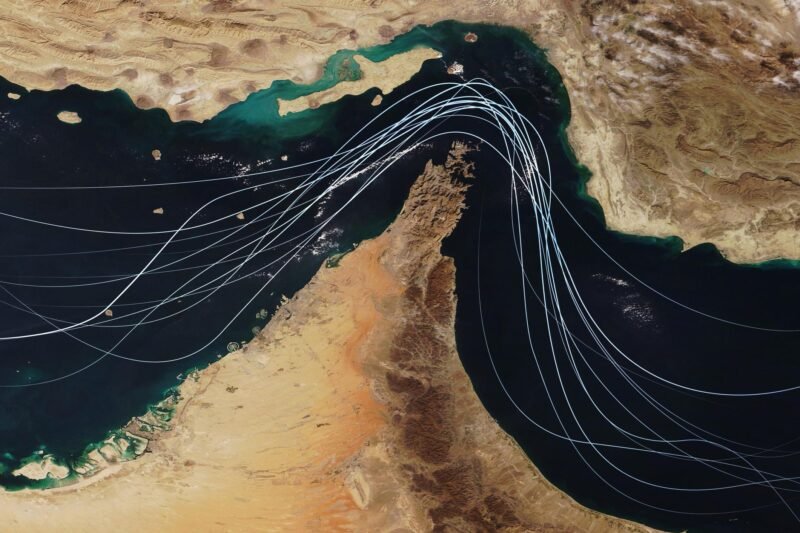
Tensions surrounding the Strait of Hormuz have moved to the centre of calculations in the confrontation involving Donald Trump and Iran’s leadership, as competing narratives over diplomacy and deterrence shape global energy and security outlooks. Statements from Washington suggesting Tehran is seeking terms to end hostilities contrast sharply with signals from Iranian officials, who continue to project defiance while recalibrating their strategic posture in the Gulf.
The narrow waterway linking the Persian Gulf to global markets carries roughly a fifth of the world’s oil supply, making it a critical chokepoint in any escalation. Analysts say the conflict has entered a phase where control, disruption or even the perception of instability around Hormuz could have outsized consequences for energy prices, shipping routes and broader geopolitical alignments.
Washington’s rhetoric has emphasised pressure and leverage. Trump has asserted that Iran is under significant strain, pointing to economic isolation and military setbacks. Yet Tehran’s actions indicate a more complex picture. Officials aligned with Supreme Leader Ali Khamenei have signalled that any negotiation would be contingent on security guarantees and sanctions relief, while continuing to underscore the country’s ability to disrupt maritime traffic if provoked.
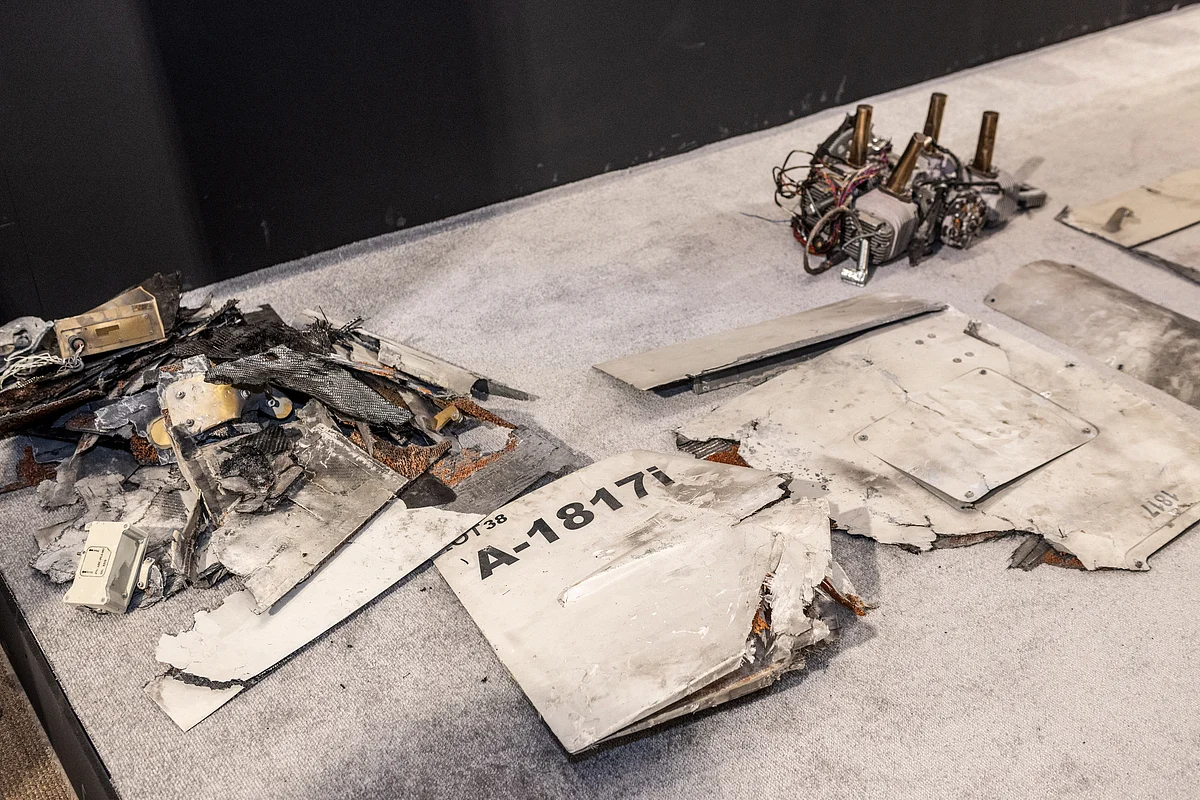
Military deployments underscore the stakes. The US Navy has reinforced its presence in the Gulf, including carrier strike groups and surveillance assets aimed at securing shipping lanes. Iran’s Revolutionary Guard has, in turn, increased patrols and showcased missile and drone capabilities designed to threaten vessels transiting the strait. Maritime security firms report heightened alert levels, with insurers adjusting premiums for tankers moving through the region.
Energy markets have reacted with volatility. Oil benchmarks have experienced sharp swings as traders weigh the probability of disruption against the possibility of de-escalation. Industry executives note that even limited interference with tanker movements could tighten supply chains, particularly for Asian importers heavily reliant on Gulf exports. Strategic reserves in major consuming nations provide a buffer, but sustained instability would test those safeguards.
Regional actors are navigating a delicate balance. Gulf states, including Saudi Arabia and the United Arab Emirates, have stepped up diplomatic outreach while bolstering defensive capabilities. Both countries depend on uninterrupted flows through Hormuz yet seek to avoid becoming direct participants in the confrontation. Alternative export routes, such as pipelines bypassing the strait, offer partial mitigation but lack the capacity to fully offset disruptions.
Iran’s strategy appears aimed at leveraging uncertainty rather than triggering outright closure. Experts in maritime security suggest that calibrated actions—such as harassment of vessels or temporary seizures—allow Tehran to signal capability without crossing thresholds that could prompt overwhelming retaliation. This approach complicates decision-making in Washington, where policymakers must weigh the costs of escalation against the risks of perceived weakness.
Diplomatic channels remain active but opaque. Intermediaries in the region and beyond have sought to explore frameworks for de-escalation, though public messaging from both sides remains uncompromising. Trump’s assertion that Iranian leaders are seeking terms has not been matched by visible concessions from Tehran, raising questions about the extent of backchannel engagement.
Economic pressures continue to shape Iran’s calculus. Sanctions have constrained oil exports and limited access to international financial systems, contributing to domestic challenges. At the same time, the leadership has demonstrated resilience in managing internal dissent and sustaining key revenue streams, including through alternative trade networks. The balance between economic strain and strategic endurance will influence Tehran’s willingness to negotiate.
Shipping companies and logistics operators are adapting to the evolving risk environment. Some have rerouted vessels or adjusted schedules to minimise exposure, while others rely on naval escorts and enhanced security protocols. The cost of these measures is being passed along the supply chain, adding to inflationary pressures in energy-dependent economies.
The broader geopolitical implications extend beyond the Gulf. Major powers, including China and Russia, are closely monitoring developments, given their economic and strategic interests in the region. Both have called for restraint while maintaining ties with Tehran, complicating efforts by Washington to build a unified international response.
Attention is also focused on the legal and normative dimensions of maritime security. Any sustained disruption in Hormuz would challenge established principles of freedom of navigation, potentially setting precedents with far-reaching consequences. International organisations and shipping bodies have emphasised the need for coordinated action to safeguard transit rights.
The article Hormuz emerges as war’s defining faultline appeared first on Arabian Post.
What's Your Reaction?