
























Gulf energy repair bill may hit $25bn
Arabian Post Staff -Dubai Repair and restoration costs for damaged Gulf energy infrastructure are projected to reach at least $25 billion, with further increases likely as the scale of disruption becomes clearer, according to new industry assessments that underline the financial and operational strain on one of the world’s most critical energy hubs. The estimate, compiled by Rystad Energy, highlights a complex recovery process driven largely by […]The article Gulf energy repair bill may hit $25bn appeared first on Arabian Post.

Arabian Post Staff -Dubai

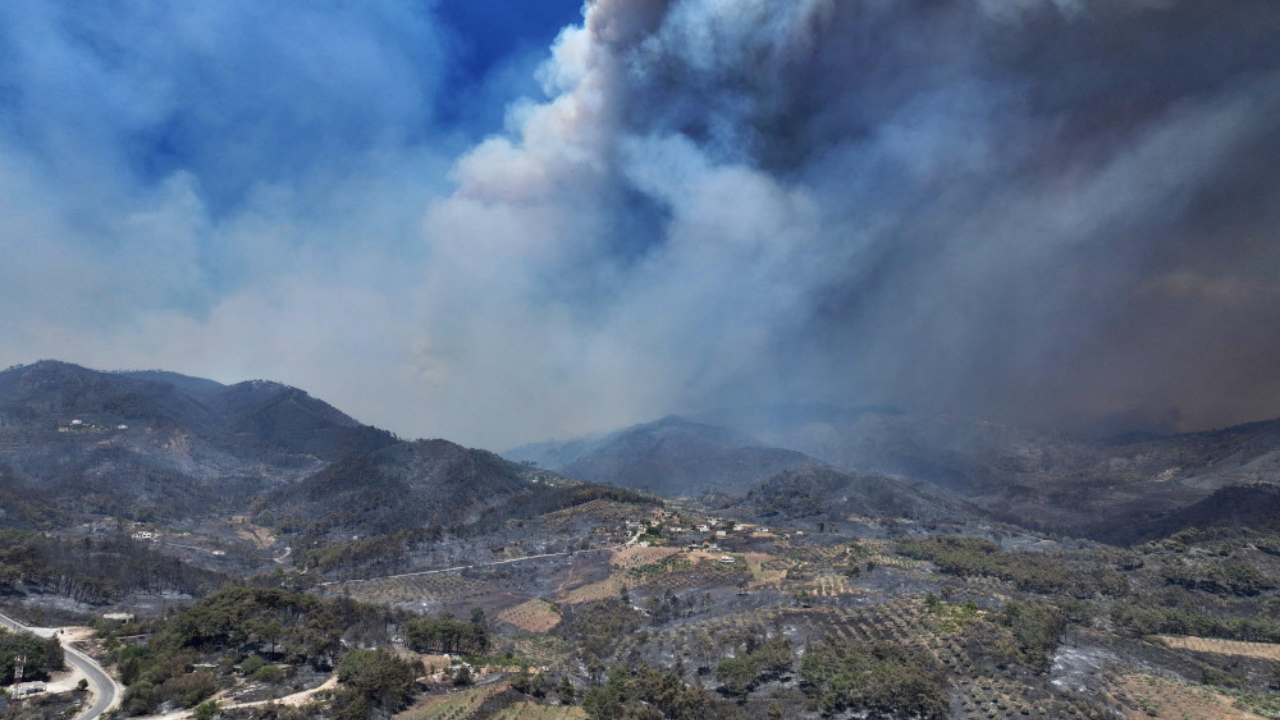
Repair and restoration costs for damaged Gulf energy infrastructure are projected to reach at least $25 billion, with further increases likely as the scale of disruption becomes clearer, according to new industry assessments that underline the financial and operational strain on one of the world’s most critical energy hubs.
The estimate, compiled by Rystad Energy, highlights a complex recovery process driven largely by engineering and construction work, which is expected to account for nearly half of total expenditure. Equipment and materials are projected to represent a further significant share, while logistics and operational recovery costs form a smaller but essential portion of the spending mix.
Analysts point to a wide variation in damage intensity across the region, with major gas and refining assets in Qatar, Iran and Bahrain facing more complex and time-consuming repair cycles. In contrast, facilities across United Arab Emirates, Kuwait, Iraq and Saudi Arabia have reported moderate to minor disruptions, allowing for faster recovery timelines.
Among the hardest-hit assets, the Ras Laffan liquefied natural gas complex in Qatar and the Pearl gas-to-liquids facility have emerged as critical nodes requiring extensive technical intervention. These installations are central to global gas supply chains, and prolonged downtime or reduced output could influence pricing dynamics in international energy markets. Similarly, Iran’s South Pars offshore gas field, one of the largest in the world, faces a demanding repair schedule due to the scale and technical complexity of offshore infrastructure. Bahrain’s Sitra refinery also features prominently in assessments of repair intensity.
Industry executives and analysts say the dominance of engineering and construction costs reflects the structural nature of the damage, which often involves pipelines, processing units and export terminals. Rebuilding or restoring such systems requires specialised expertise, long lead times and coordination across multiple contractors. Equipment replacement, accounting for a substantial share of spending, includes compressors, turbines, control systems and other critical components that are often sourced from global supply chains already under pressure.
The financial implications extend beyond immediate repair bills. Energy companies operating in the Gulf are likely to face higher insurance premiums, tighter risk management requirements and potential delays in expansion projects. Governments, many of which rely heavily on hydrocarbon revenues, must balance the need for swift restoration with fiscal considerations, particularly as they pursue diversification strategies aimed at reducing long-term dependence on oil and gas.
Market participants note that even moderate disruptions can ripple through global supply chains, given the Gulf’s central role in energy exports. Liquefied natural gas shipments from Qatar and crude exports from neighbouring producers are closely monitored by traders, with any uncertainty in output feeding into price volatility. While spare capacity in some countries provides a buffer, sustained repair timelines could tighten supply in specific segments.
The assessment also points to logistical challenges that, while accounting for a smaller share of total costs, remain critical to recovery efforts. Transporting heavy equipment, mobilising specialised labour and ensuring secure access to damaged sites require coordinated planning, particularly in areas where infrastructure constraints or geopolitical considerations complicate operations.
The article Gulf energy repair bill may hit $25bn appeared first on Arabian Post.
What's Your Reaction?