





























Explained: Why Parkonic paid parking fees differ by location, apply on public holidays
Explained: Why Parkonic paid parking fees differ by location, apply on public holidays
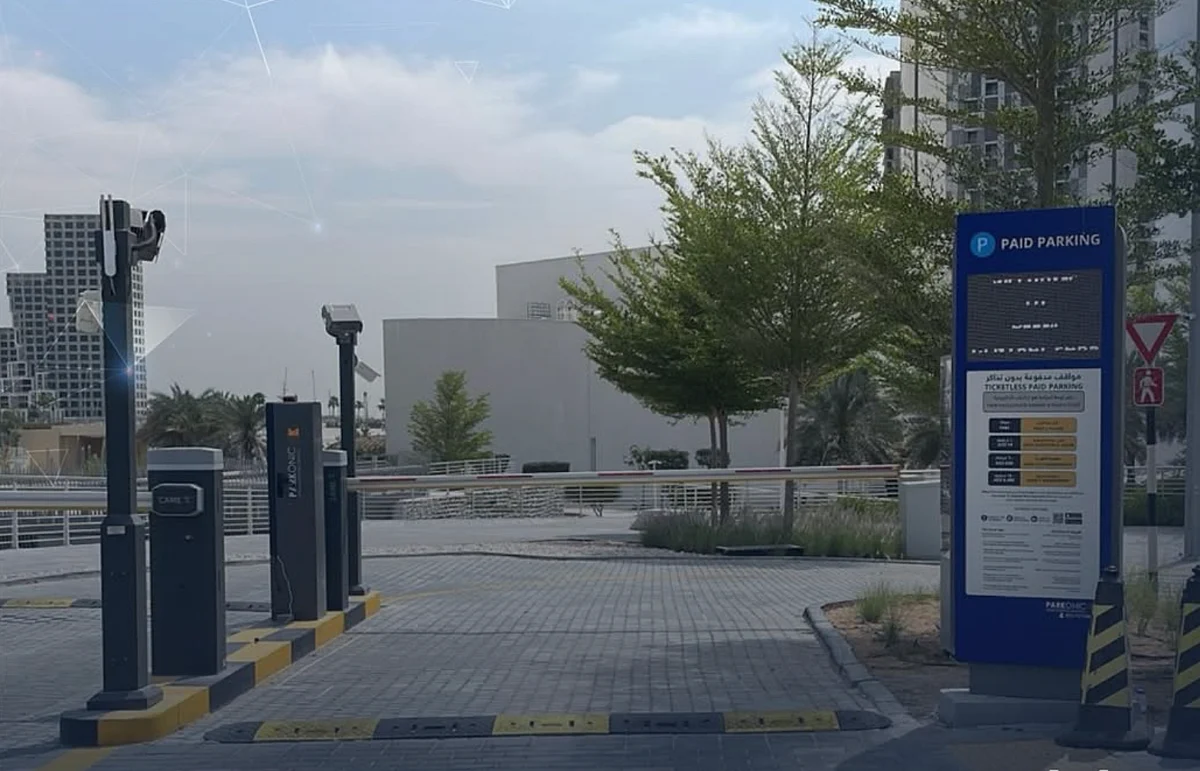
Over the last few years, Parkonic has been rolling out paid parking systems across the UAE in its bid to ensure seamless mobility solutions for motorists. As of January 2026, it has been implemented in over 200 locations in the country — most recently, in Dubai's Discovery Gardens. Motorists can utilise parking spots by either paying visitor rates or registering for monthly, quarterly, or annual memberships.
Khaleej Times reached out to Parkonic to understand why rates differ from area to area, after concerns were raised by some residents about higher fees in their neighbourhoods. Additionally, the operator addressed why fees are levied on weekends and public holidays, instead of offering exemptions like Dubai's Roads and Transport Authority does for parking spaces it operates.
In response, Parkonic told Khaleej Times that rates, coverage, and enforcement schedules are determined by location-specific community parking plans, not by a single citywide tariff. Here is all you need to know:
Stay up to date with the latest news. Follow KT on WhatsApp Channels.
Why do parking rates differ across communities?
Parking rates vary by location because each community differs in:
Land ownership and developer policies
Urban density and parking supply
Traffic patterns and usage behavior
Local operational and enforcement requirements
Parkonic operates across multiple communities, each with its own approved parking framework. Rates are, therefore, determined per location rather than through a single standardised tariff.
Why are tenants in Discovery Gardens not given unrestricted outdoor parking instead of paid parking?
On-street parking availability across Discovery Gardens is limited and shared. Unrestricted allocation to specific buildings or units would reduce availability for other residents and visitors and introduce operational challenges.
For this reason, on-street parking is managed under a controlled framework that balances resident needs, visitor access, and traffic flow. Paid parking and memberships are used to manage demand and encourage availability rather than assign exclusive outdoor spaces.
Residents have raised concerns about the steep Dh945 monthly membership rate for Discovery Gardens. How was this rate determined?
The Dh945 monthly membership applies to additional vehicles beyond the complimentary resident allocation and is set as part of the approved community parking framework.
The rate reflects multiple operational considerations, including demand management, enforcement coverage, technology infrastructure, and location-specific requirements. Parkonic operates the system within these approved parameters and does not independently set pricing.
Resident feedback is being documented and shared through the appropriate review channels, and any future adjustments will be communicated officially.
Why does paid parking apply on Sundays and public holidays?
Parking rules — including operating days — are defined under the approved community parking framework rather than public parking schedules. Discovery Gardens, for example, operates as a managed private residential community.
As such, paid parking applies on Sundays and public holidays where indicated on-site.
What about informal renting or subletting of parking spaces?
Parkonic does not support or recognise unauthorised renting, selling, or sharing of parking access between individuals outside approved and regulated channels.
Parking access is digitally managed through verified tenancy registrations, approved memberships, and system controls designed to discourage misuse and promote fair access. Informal or private arrangements made outside the Parkonic platform do not form part of the approved parking framework.
Where parking sharing is permitted, it is enabled only through authorized Parkonic solutions, such as structured and compliant parking sharing programs. These operate under defined rules to ensure transparency, fairness, and accountability for all users.
The parking framework has been designed to address long-standing challenges associated with informal and unregulated parking practices, while improving availability and equitable use of parking spaces across the community.
What's Your Reaction?