




























Energy Markets See Through Shallow Peace Talk, Move On Their Own Terms
By K Raveendran US President Donald Trump’s attempt to jawbone oil lower has run into the hard edge of market reality. At the start, the strategy appeared to work. When he signalled that peace talks with Iran were possible and suggested a diplomatic opening, crude quickly gave back a large share of its war premium. […]The article Energy Markets See Through Shallow Peace Talk, Move On Their Own Terms appeared first on Latest India news, analysis and reports on Newspack by India Press Agency).The article Energy Markets See Through Shallow Peace Talk, Move On Their Own Terms appeared first on Arabian Post.

By K Raveendran
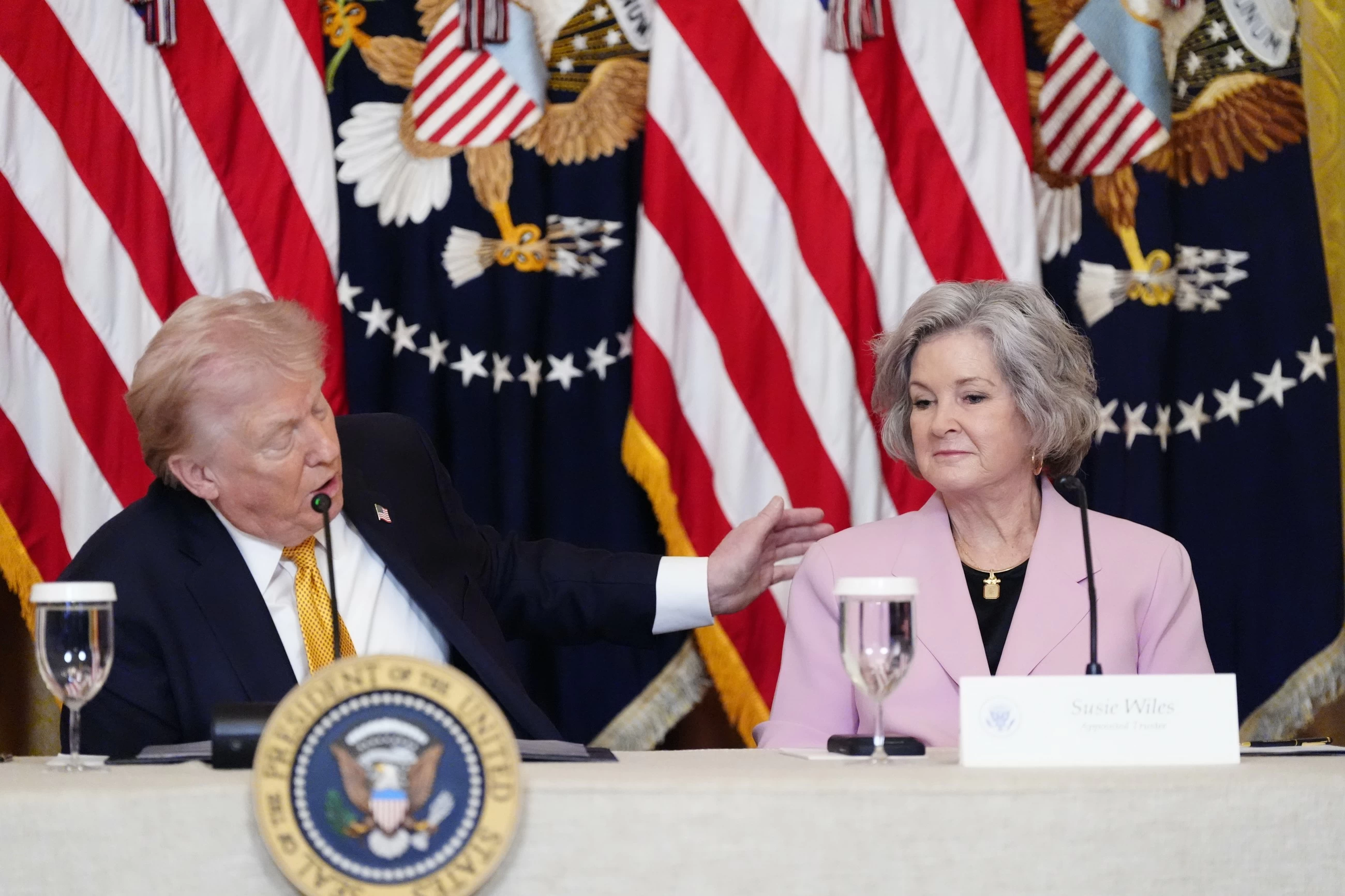
US President Donald Trump’s attempt to jawbone oil lower has run into the hard edge of market reality. At the start, the strategy appeared to work. When he signalled that peace talks with Iran were possible and suggested a diplomatic opening, crude quickly gave back a large share of its war premium. A March 23 post pointing to “productive talks” triggered a drop of more than 10% in oil prices and lifted broader risk appetite across global markets. But that first reaction now looks less like a durable change in expectations and more like a reflexive relief trade in a market desperate for any sign that the conflict might be contained. As Trump repeated the claim, extended deadlines, and kept alive what amounted to a rolling “peace window”, the effect faded sharply. Later announcements produced only modest or negligible moves, a sign that traders had stopped treating presidential messaging as reliable guidance on the trajectory of the war.
That loss of influence matters because oil markets do not price rhetoric for long; they price physical risk, logistics, spare capacity and infrastructure resilience. Once traders concluded that the White House message was inconsistent, and once Tehran publicly denied parts of the diplomatic narrative, the market shifted back to fundamentals. Those fundamentals remain deeply bullish for energy prices. Brent has risen by more than 50% since the conflict began, briefly topping $119 a barrel, while analysts see prices staying elevated across a range of Iran-war scenarios. The market is no longer easily soothed by political messaging: the Strait of Hormuz still handles about a fifth of global oil and gas transit, and damage to export infrastructure could drive prices even higher. In that setting, every optimistic statement has to compete with the possibility of disrupted flows, damaged terminals and a war that is degrading the physical capacity of the region to move energy to market.
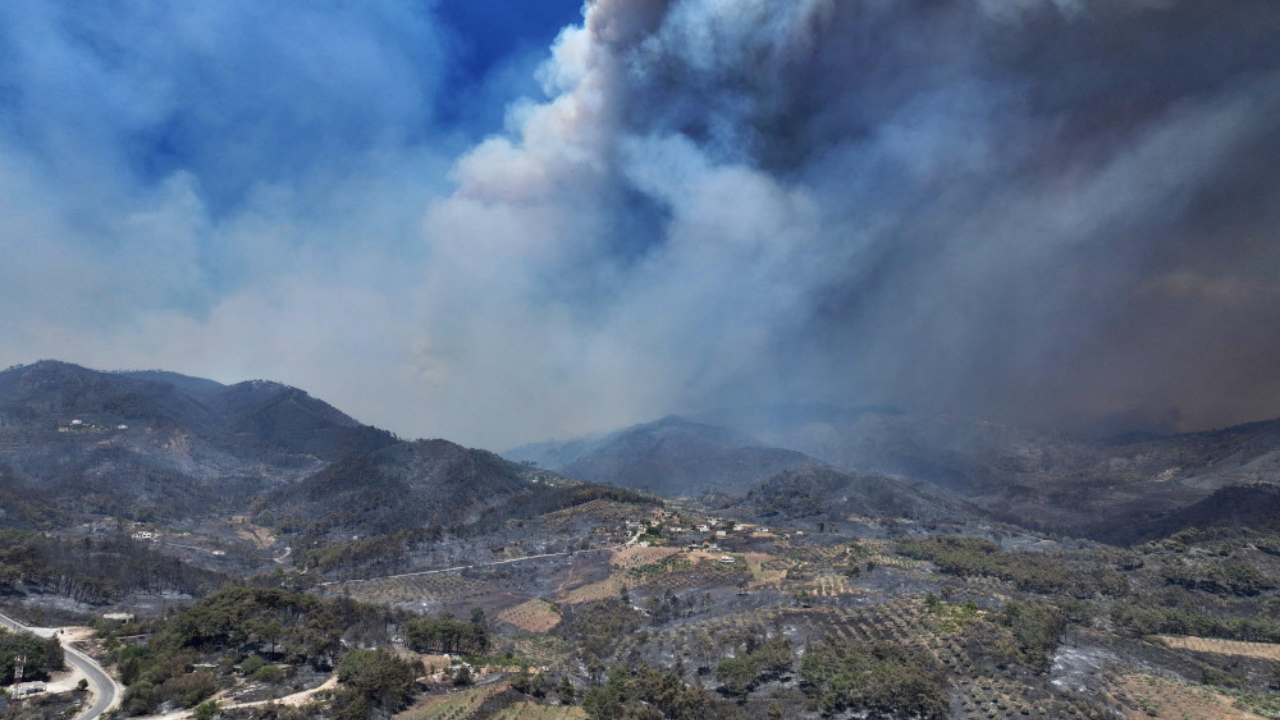
This is why the bigger story is not Trump’s failure to talk prices down, but the market’s growing recognition that even a ceasefire now would not mean a return to normal. Energy systems are not light switches. They are sprawling networks of fields, pipelines, storage farms, export terminals, refineries, power links, shipping lanes, insurance arrangements and specialist labour. Once those systems are hit, the lag between “war stops” and “supply normalises” can be measured in years, not days. The wider conflict has already reduced global oil supplies by about 11 million barrels a day under current disruptions, while damaged infrastructure across the Middle East, weaker offshore activity and security risks have prevented the usual drilling response to higher prices. The infrastructure repair and restoration costs have been put above $25 billion and the recovery is expected to take years.
That estimate is important because it reinforces the argument that war damage has a ratchet effect in energy markets. The first stage is the immediate price spike, driven by fear and scarcity. The second stage is more stubborn: a structural repricing based on the understanding that production and transit capacity will stay impaired well after the shooting stops. Even if a political settlement were announced tomorrow, investors would still have to ask how quickly damaged export hubs could reopen, whether power supply to key facilities could be stabilised, whether insurers would return on affordable terms, whether foreign contractors would deploy staff, and whether governments would have the fiscal and political ability to fund reconstruction at scale. When traders start asking those questions, market psychology changes. Peace headlines may trim the speculative froth, but they do not erase the embedded premium created by destroyed or degraded infrastructure.
That is also why Trump’s approach has failed miserably. The tactic depended on the assumption that the market was mostly trading on sentiment and could therefore be steered by presidential confidence. Yet this conflict has advanced beyond the point where sentiment alone dominates. Investors are now discounting repeated deadline extensions because they have learned that the White House message can shift quickly and may not correspond to operational reality on the ground. A first announcement can still move prices because markets are wired to react instantly to potential de-escalation. But once such announcements are not validated by facts, traders adapt. The market becomes less gullible, less headline-sensitive and more anchored in hard constraints. That is precisely what appears to have happened here.
There is another layer to this story. Higher oil prices do not automatically bring forth offsetting supply elsewhere, at least not quickly enough to neutralise the shock. U.S. drillers have cut oil and gas rigs for a second straight week, even with higher prices, reflecting an industry still focused on capital discipline rather than unrestrained volume growth. The wartime oil rally has failed to spur a normal surge in drilling because service firms face security risks, evacuations, higher insurance costs and impaired access across affected regions. This weakens the old political assumption that price spikes can be rapidly countered by market self-correction. In practice, supply responses are slower, costlier and more hesitant when geopolitics, infrastructure damage and investor caution collide.
The conflict is also changing pricing behaviour and trade patterns in ways that could outlast the war itself. Asian refiners are shifting from the Dubai benchmark to Brent for pricing U.S. crude because Middle East disruptions have pushed Dubai to extremes. That is not a trivial technical adjustment. Benchmark shifts, altered hedging practices and rerouted cargo flows can leave permanent marks on market structure. If buyers, sellers and refiners conclude that the old regional pricing and transport assumptions are no longer dependable, then the war will have reshaped the commercial architecture of oil trading as well as the physical infrastructure. In that case, normalcy will not mean returning to the pre-war system, but constructing a new equilibrium under higher geopolitical risk.
The spillover into consuming economies adds another reason the market is not listening to political reassurance. Rising energy costs are feeding inflation anxiety, lifting fuel prices and weighing on broader financial markets. Asia and Europe are especially exposed because of import dependence, and some regions could face fuel shortages or power rationing under severe disruption scenarios. Once the economic damage broadens beyond the oil patch into transport, chemicals, food and consumer sentiment, traders understand that energy is no longer an isolated asset class story. It becomes a macroeconomic regime change. That widens the consequences of every damaged terminal and every disrupted route, and makes casual talk of peace less persuasive unless matched by verifiable operational repair. (IPA Service)
The article Energy Markets See Through Shallow Peace Talk, Move On Their Own Terms appeared first on Latest India news, analysis and reports on Newspack by India Press Agency).
The article Energy Markets See Through Shallow Peace Talk, Move On Their Own Terms appeared first on Arabian Post.
What's Your Reaction?