


























atNorth targets 300MW Sweden AI campus
Nordic data centre operator atNorth has confirmed plans to develop a 300MW high-density colocation campus in Sollefteå Municipality, Sweden, marking one of the largest artificial intelligence-focused infrastructure projects announced in the region. The facility, to be built at the Hamre Industrial Park, is scheduled to begin operations in the first half of 2028. Company executives said the campus is designed to meet accelerating demand for AI and […] The article atNorth targets 300MW Sweden AI campus appeared first on Arabian Post.
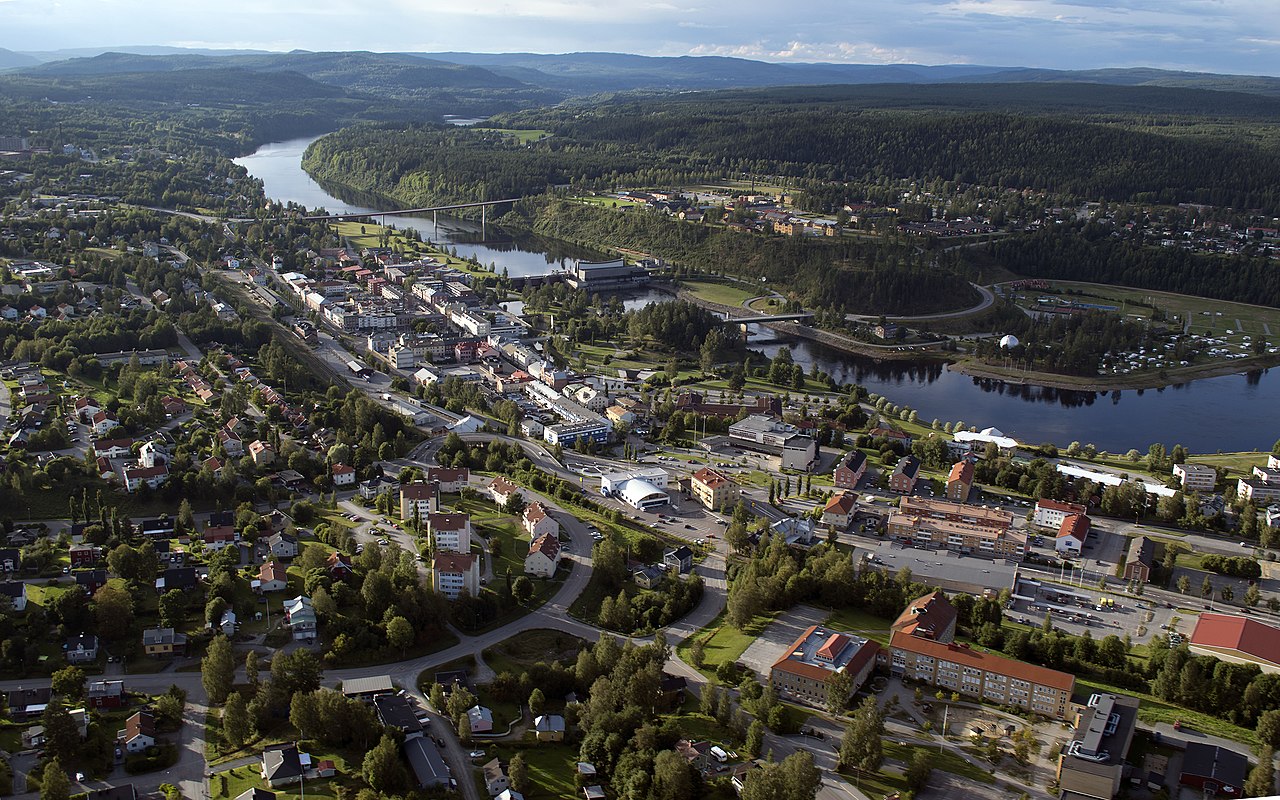
Nordic data centre operator atNorth has confirmed plans to develop a 300MW high-density colocation campus in Sollefteå Municipality, Sweden, marking one of the largest artificial intelligence-focused infrastructure projects announced in the region. The facility, to be built at the Hamre Industrial Park, is scheduled to begin operations in the first half of 2028.
Company executives said the campus is designed to meet accelerating demand for AI and high-performance computing workloads, particularly from hyperscale cloud providers and enterprises training large language models. The Sollefteå project will significantly expand atNorth’s footprint across the Nordics, where it already operates data centres in Iceland, Sweden and Finland.
The proposed campus will be developed in phases and is expected to deliver high-density colocation capacity tailored to power-intensive AI clusters. atNorth said the site was selected for its access to abundant renewable energy, favourable climatic conditions and established industrial infrastructure. Sweden’s power mix, dominated by hydropower and supported by nuclear and wind generation, has made the country an attractive destination for energy-hungry digital infrastructure operators seeking lower carbon footprints.
Sollefteå Municipality, located in Västernorrland County, has been positioning itself as a technology and energy hub, leveraging existing grid connections and surplus power capacity from regional hydropower assets. Local officials have described the investment as a major boost for employment and industrial diversification in an area historically reliant on forestry and energy production.
The announcement comes amid a broader surge in AI-driven data centre investment across Northern Europe. Hyperscale cloud companies and specialist AI firms have intensified efforts to secure large blocks of renewable energy as training models grow in scale and complexity. Industry analysts estimate that AI workloads can require several times the power density of traditional enterprise computing, placing pressure on both grid capacity and cooling technologies.
atNorth has stated that the Sollefteå campus will prioritise energy efficiency and sustainable design. Nordic climates allow operators to deploy free-air cooling for much of the year, reducing reliance on mechanical refrigeration. The company has previously emphasised heat reuse initiatives, where waste heat from data centres is channelled into district heating networks, although detailed plans for heat recovery at the Hamre site have yet to be disclosed.
Market data from industry research firms indicate that Europe’s data centre capacity pipeline has expanded sharply since 2023, with secondary markets gaining prominence as primary hubs such as Frankfurt, London, Amsterdam and Dublin face power constraints and planning restrictions. Sweden and Finland have attracted attention for their stable regulatory environments and comparatively lower wholesale electricity prices, though grid connection timelines remain a critical variable.
Energy availability remains a central consideration. Sweden has experienced heightened debate over electricity supply as electrification of heavy industry, battery manufacturing and green steel projects intensifies competition for power. Government agencies have warned that demand growth could outpace supply in certain regions unless new generation and transmission upgrades proceed on schedule. atNorth has indicated that grid access and long-term energy agreements were assessed as part of the site selection process.
The planned 300MW capacity places the Sollefteå campus among the larger single-site developments in the Nordics. Comparable projects in the region have typically been rolled out in modular stages, with operators aligning build-outs to confirmed customer commitments. While atNorth has not publicly named anchor clients, industry observers note that hyperscalers increasingly prefer multi-hundred-megawatt campuses capable of accommodating GPU-rich clusters and advanced liquid cooling systems.
High-density AI deployments have accelerated the adoption of liquid cooling, including direct-to-chip and immersion technologies, to manage thermal loads exceeding 30 kilowatts per rack and, in some cases, far higher. Data centre developers are adapting building designs to support heavier equipment, enhanced water management and resilient power distribution architectures.
Financial terms of the Sollefteå investment have not been disclosed, but projects of this scale typically run into billions of euros over their lifecycle. Funding models across the sector have included combinations of equity, green bonds and long-term colocation contracts with hyperscale customers. Nordic operators have also sought to differentiate themselves through sustainability credentials, aiming to attract clients with strict emissions targets.
Local stakeholders have welcomed the development, citing job creation during construction and the potential for skilled roles once the campus becomes operational. However, environmental groups have cautioned that large data centres must be carefully integrated into regional energy planning to avoid crowding out other electrification initiatives.
Demand forecasts for AI infrastructure continue to evolve as enterprises integrate generative AI tools into core operations. Consulting firms project that global data centre power consumption could more than double over the next decade if AI adoption maintains its current trajectory. At the same time, investors and regulators are scrutinising the environmental footprint of large computing clusters.
The article atNorth targets 300MW Sweden AI campus appeared first on Arabian Post.
What's Your Reaction?