





















Vance signals brief Iran mission
Arabian Post Staff -Dubai US Vice President JD Vance has sought to reassure voters and markets that Washington does not intend to become locked into a prolonged military commitment in Iran, arguing that higher fuel costs are a temporary consequence of a campaign the administration expects to wrap up rather than harden into another open-ended Middle East war. His remarks come as the Trump administration faces a […]The article Vance signals brief Iran mission appeared first on Arabian Post.

Arabian Post Staff -Dubai
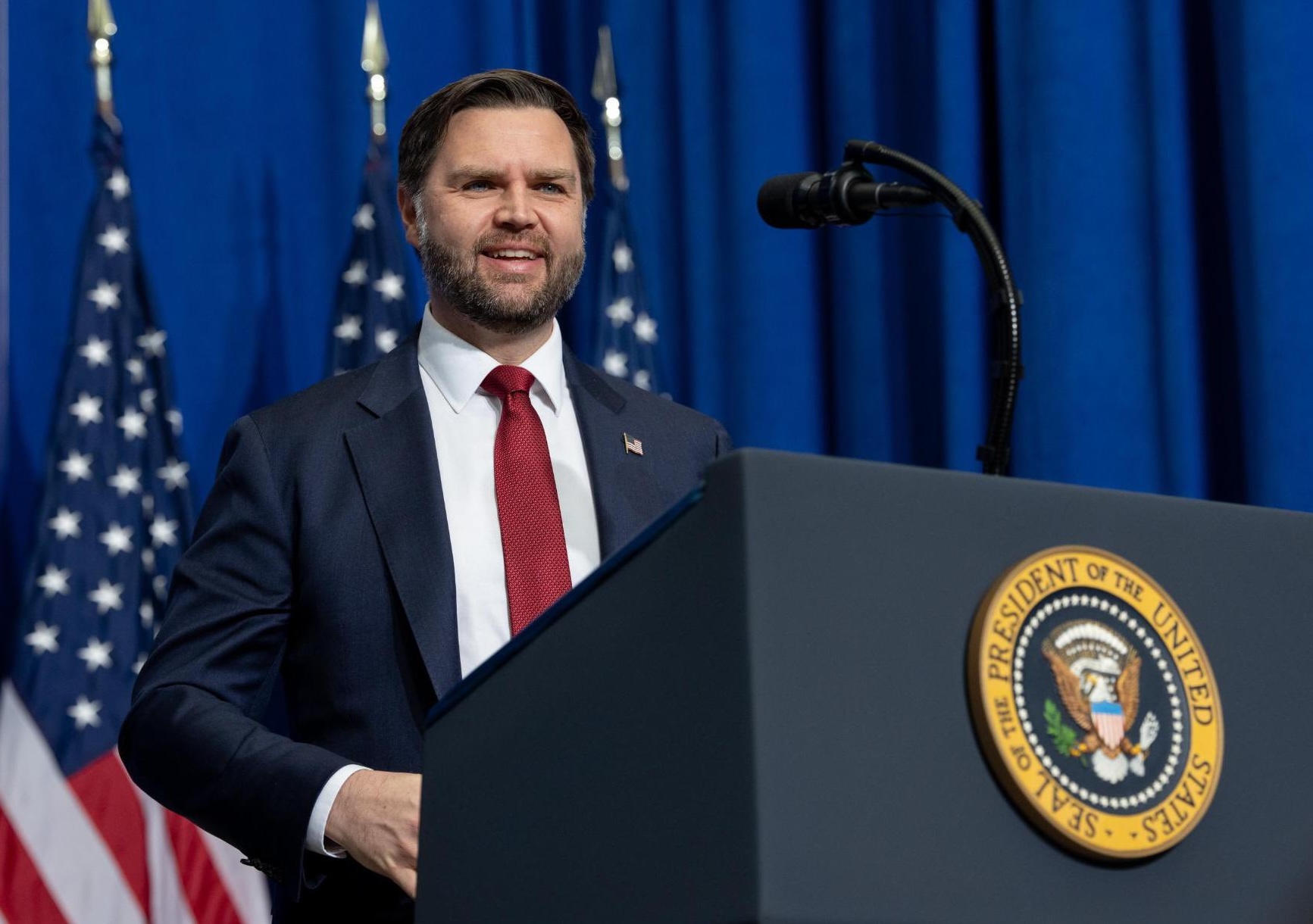
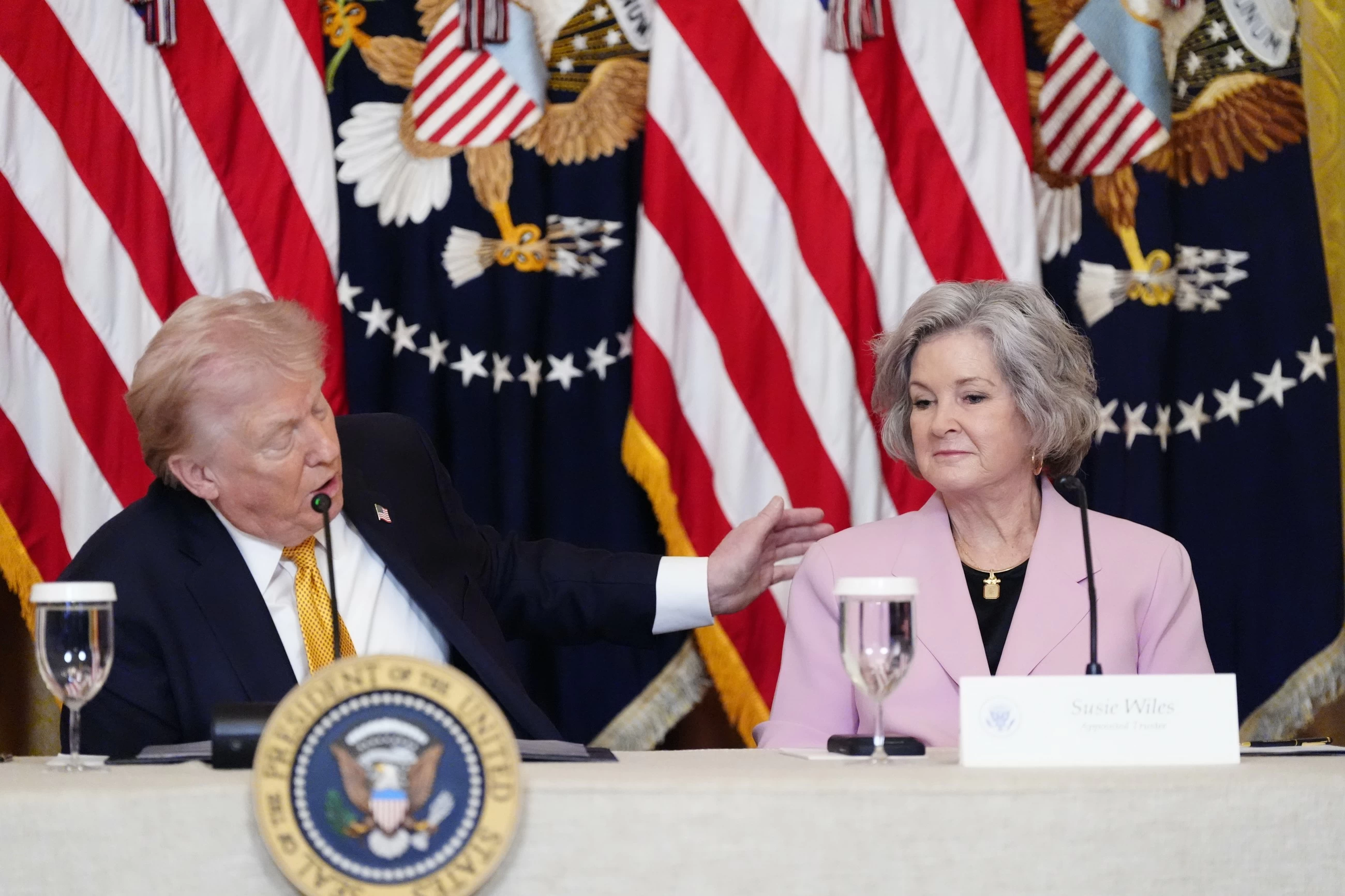
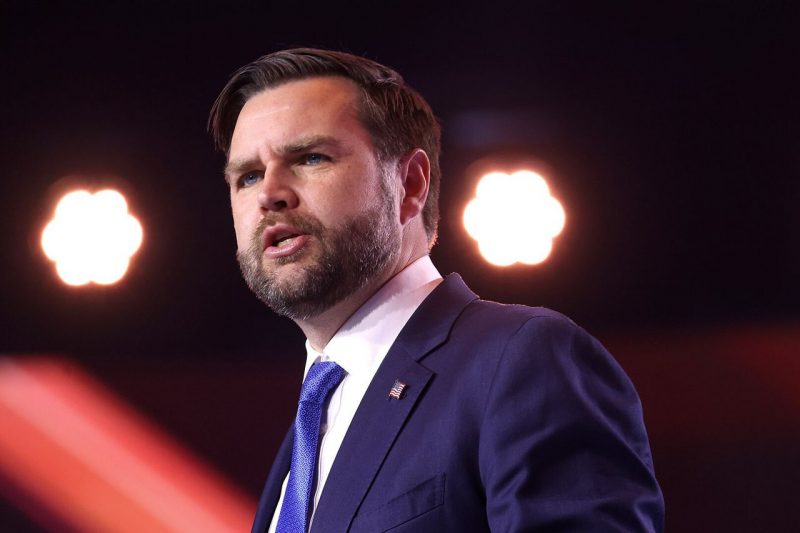
US Vice President JD Vance has sought to reassure voters and markets that Washington does not intend to become locked into a prolonged military commitment in Iran, arguing that higher fuel costs are a temporary consequence of a campaign the administration expects to wrap up rather than harden into another open-ended Middle East war. His remarks come as the Trump administration faces a widening test of its promise to contain the conflict quickly while limiting the domestic economic damage from surging oil and petrol prices.
Vance’s message has been consistent on two fronts. First, he has described higher petrol prices as temporary, telling audiences that the strain on households is real but not permanent. Second, he has aligned himself with a broader administration line that the United States wants decisive results without a years-long deployment of ground forces. That position has been reinforced by Secretary of State Marco Rubio, who said this week that Washington believes it can achieve its objectives in weeks, not months, and without needing a full-scale ground war, even as extra troops are sent to preserve military flexibility.
The difficulty for the White House is that events on the ground are moving in the opposite direction of that political message. The conflict, which Reuters and other outlets trace to the February 28 US-Israeli offensive on Iran, has entered a broader regional phase. Houthi forces in Yemen have joined the fighting, US personnel have been wounded in attacks on bases in Saudi Arabia, and thousands of additional American troops and Marines have been moved into the region. That does not amount to an announced long-term occupation, but it does complicate any effort to present the operation as nearing a clean exit.
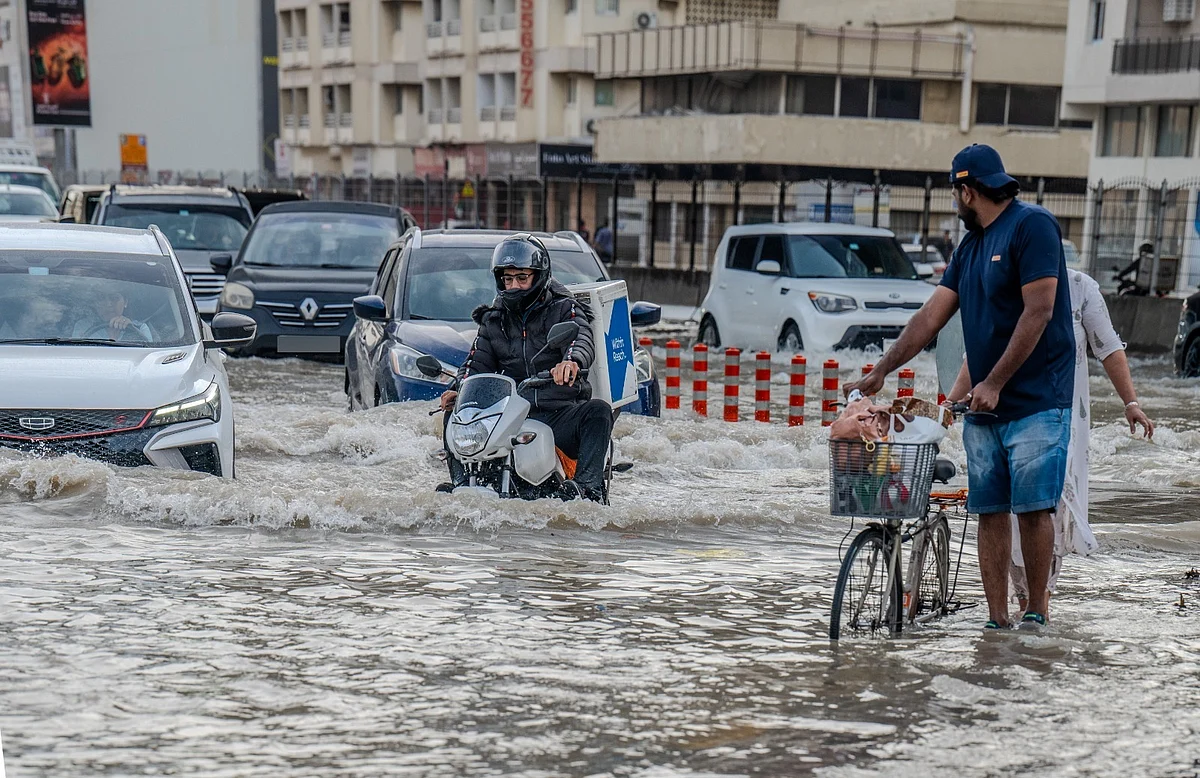
Energy markets have also proved less willing than administration officials to accept the idea that the disruption will fade quickly. Reuters reported Brent crude settling above $112 a barrel on Friday, with West Texas Intermediate near $100, as traders remained doubtful that ceasefire diplomacy would rapidly restore normal flows. Another Reuters analysis said oil prices were likely to stay elevated across multiple war scenarios, noting that Brent had risen by more than 50% since the conflict began and that prices could climb much further if more export infrastructure were hit.
The reason is straightforward. The Strait of Hormuz remains the pressure point. Any threat to traffic through the waterway has a near-immediate effect on global energy costs because a large share of world oil and gas trade moves through it. Reuters quoted ADNOC chief Sultan Al Jaber calling any Iranian restriction on Hormuz “economic terrorism”, underscoring how sharply Gulf producers view the danger. The market concern is not just about crude. Gas, fertiliser, petrochemicals and shipping insurance have all been hit, widening the economic consequences beyond the petrol pump.
That wider fallout weakens Vance’s claim that the price shock will simply reverse once US forces leave. It may ease if the conflict cools and shipping resumes, but several analysts and officials have warned that damage to infrastructure and altered trade patterns could keep energy costs volatile for longer. The Associated Press reported that the global economy is already absorbing a major supply shock, while Reuters has highlighted continuing disruptions to oil and gas flows even when diplomatic headlines briefly push prices lower. In effect, the administration is making a political argument about time limits while the market is making a commercial judgement about risk.
There is also a domestic political calculation behind Vance’s framing. Reuters reported on March 18 that he acknowledged a “rough road ahead” on gas prices while trying to reassure Americans that the pain would not last. That was before the latest widening of the conflict. Since then, rising fuel costs have triggered calls in Washington for relief measures, including a temporary suspension of the federal gas tax, showing how quickly a foreign-policy crisis can become a cost-of-living problem at home.
The article Vance signals brief Iran mission appeared first on Arabian Post.
What's Your Reaction?