





















US outlines roadmap to end Iran war
Arabian Post Staff -Dubai Washington has drawn up a 15-point framework aimed at halting the conflict with Iran, reflecting mounting pressure on the Trump administration to contain both military escalation and widening economic fallout, according to officials familiar with the discussions. The plan, described as an evolving diplomatic blueprint rather than a final settlement, is being positioned as a pathway to structured negotiations after weeks of […]The article US outlines roadmap to end Iran war appeared first on Arabian Post.
Arabian Post Staff -Dubai
Washington has drawn up a 15-point framework aimed at halting the conflict with Iran, reflecting mounting pressure on the Trump administration to contain both military escalation and widening economic fallout, according to officials familiar with the discussions.
The plan, described as an evolving diplomatic blueprint rather than a final settlement, is being positioned as a pathway to structured negotiations after weeks of indirect contacts and backchannel exchanges. It seeks to bridge gaps over ceasefire terms, nuclear oversight and regional security guarantees, areas that have repeatedly stalled earlier efforts.
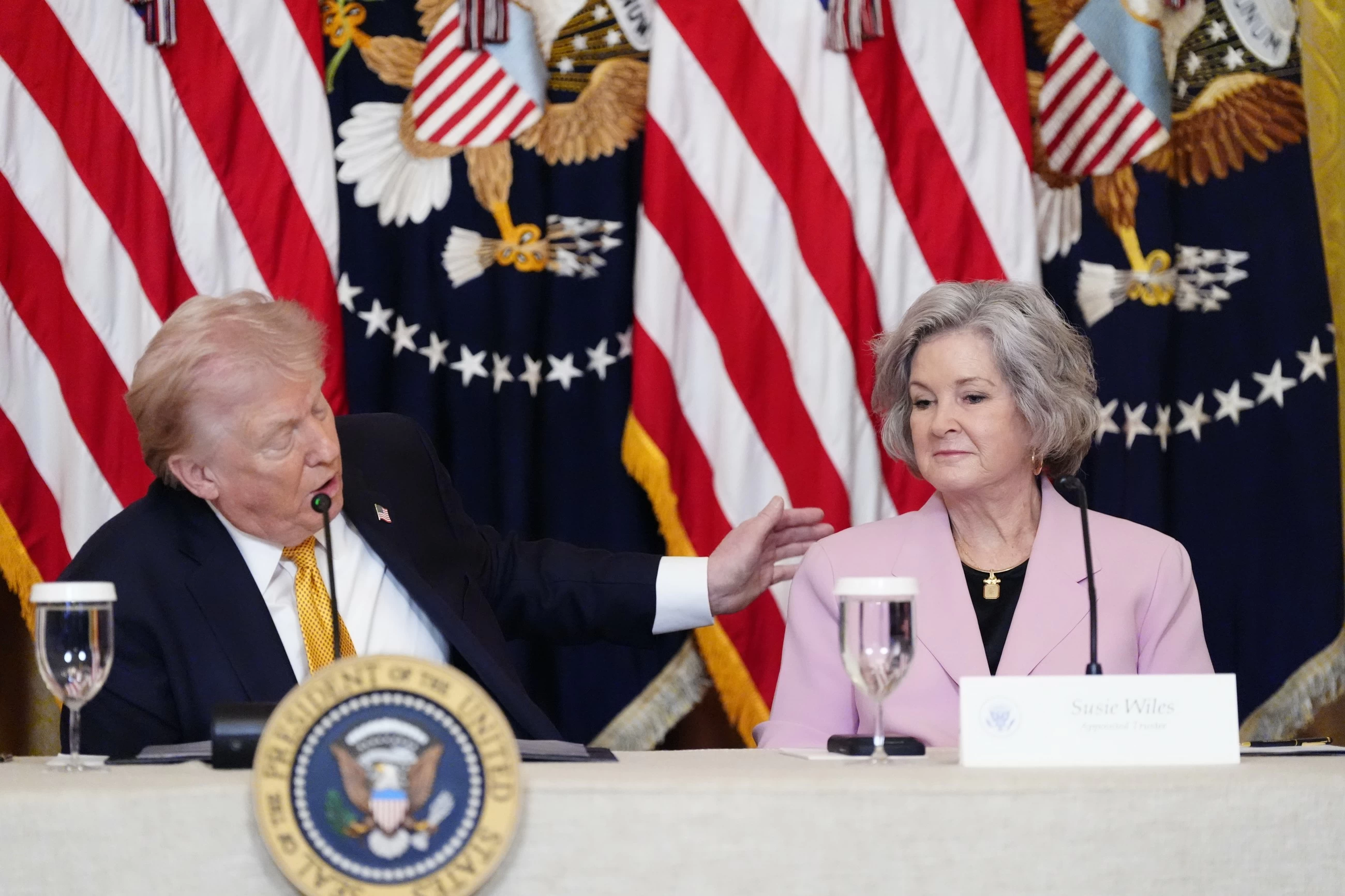
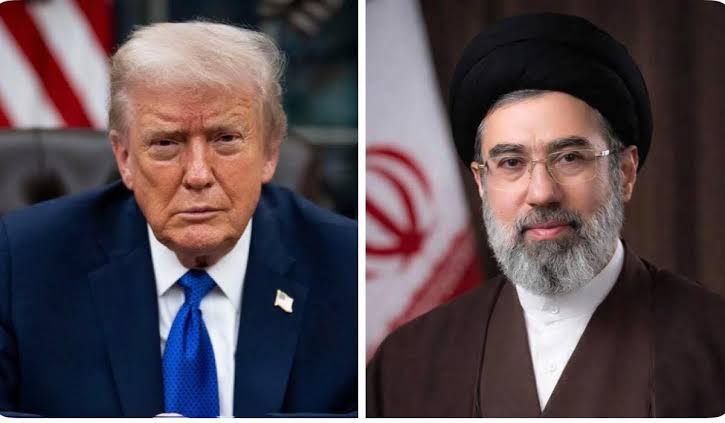
President Donald Trump has intensified calls for dialogue, signalling a willingness to engage Tehran despite deep mistrust on both sides. His approach marks a shift from earlier rhetoric centred on deterrence, as policymakers in Washington confront rising costs linked to disrupted energy markets, volatile financial flows and strain on allied economies.
Key elements of the proposed framework include phased de-escalation, conditional sanctions relief and mechanisms for monitoring Iran’s nuclear activities. Officials indicate that the sequencing of concessions remains one of the most contentious issues, with Tehran seeking upfront economic relief while Washington favours incremental steps tied to verifiable commitments.
Uncertainty over who represents Iran in potential talks continues to complicate progress. Power within Tehran remains distributed among elected officials, clerical leadership and security institutions, creating ambiguity over negotiating authority. This fragmentation has historically slowed diplomatic engagement and introduced risks of internal divergence during critical stages of negotiation.
The structure of any eventual agreement is also under debate. US officials are weighing whether to pursue a comprehensive accord that addresses nuclear, military and regional concerns simultaneously, or a narrower deal focused on immediate de-escalation. Analysts note that broader agreements tend to offer longer-term stability but are harder to secure, while limited deals can deliver quicker results but risk collapse if underlying disputes remain unresolved.
Economic pressures are shaping the urgency of the initiative. Oil markets have reacted sharply to uncertainty surrounding shipping routes and supply disruptions, particularly in relation to the Strait of Hormuz. While price movements have fluctuated, the broader trend has added inflationary pressure across global economies, reinforcing calls from both political and business leaders for a negotiated outcome.
Financial markets have also shown signs of strain, with investors reassessing risk exposure in sectors tied to energy, shipping and defence. The ripple effects extend beyond the region, affecting trade flows and investment decisions in Asia and Europe. Policymakers in Washington are increasingly aware that prolonged instability could undermine domestic economic objectives, especially in a politically sensitive environment.
Regional actors remain central to the diplomatic calculus. Gulf states, Israel and European governments are closely monitoring developments, each with distinct security concerns and strategic priorities. Some allies have urged Washington to maintain a firm stance on Iran’s missile programme and regional influence, while others advocate a more flexible approach to facilitate dialogue.
Tehran, for its part, has signalled openness to discussions under certain conditions, including guarantees against future military action and credible pathways for sanctions relief. Officials there have emphasised sovereignty and economic stability as non-negotiable elements, suggesting that any agreement perceived as one-sided would face domestic resistance.
Diplomatic channels have expanded beyond traditional formats, with intermediaries playing a growing role in conveying proposals and clarifying positions. These indirect contacts have helped prevent misunderstandings but have not yet produced a breakthrough, underscoring the complexity of aligning competing interests.
Experts point to historical precedents, including earlier nuclear agreements, as evidence that sustained negotiation can yield results despite deep-seated tensions. However, they caution that the current environment is more volatile, with heightened geopolitical competition and reduced trust between major powers complicating mediation efforts.
The administration’s 15-point framework is being refined as consultations continue with allies and stakeholders. Officials suggest that flexibility will be critical, noting that rigid adherence to initial proposals could hinder progress. At the same time, there is recognition that any perceived concession carries political risks, both domestically and internationally.
Military dynamics on the ground continue to influence the diplomatic track. Periodic escalations, even if limited, have the potential to derail talks or shift negotiating positions. Both sides appear aware of this risk, leading to cautious signalling aimed at avoiding actions that could trigger broader confrontation.
Energy security remains a central concern driving urgency. Disruptions to maritime routes have highlighted vulnerabilities in global supply chains, prompting renewed discussions about diversification and strategic reserves. These considerations add another layer of complexity to negotiations, as economic and security interests intersect.
The article US outlines roadmap to end Iran war appeared first on Arabian Post.
What's Your Reaction?