

























Strikes on Iran jolt world markets
Arabian Post Staff -Dubai US and Israeli strikes on Iranian nuclear-linked and industrial sites on Friday widened the Middle East war and triggered a fresh market sell-off, as Tehran answered with attacks across the Gulf and on regional targets, stoking fears that a longer conflict could deepen the hit to growth, trade and energy supplies. Oil climbed sharply, Wall Street fell again and investors moved into traditional […]The article Strikes on Iran jolt world markets appeared first on Arabian Post.


Arabian Post Staff -Dubai

US and Israeli strikes on Iranian nuclear-linked and industrial sites on Friday widened the Middle East war and triggered a fresh market sell-off, as Tehran answered with attacks across the Gulf and on regional targets, stoking fears that a longer conflict could deepen the hit to growth, trade and energy supplies. Oil climbed sharply, Wall Street fell again and investors moved into traditional havens as the war’s economic costs broadened.
Among the targets hit were the Khondab heavy-water plant near Arak and the Shahid Rezayee Nejad yellowcake production facility in Yazd province, according to multiple reports on Friday. The heavy-water site has long been sensitive because of its link to plutonium production, while the yellowcake facility plays a role in the upstream uranium fuel cycle. Iranian and international reporting also pointed to strikes on major steel assets, including Mobarakeh Steel in Isfahan and Khuzestan Steel in Ahvaz, signalling that the campaign is pressing beyond strictly military installations into industries central to Iran’s economic base.
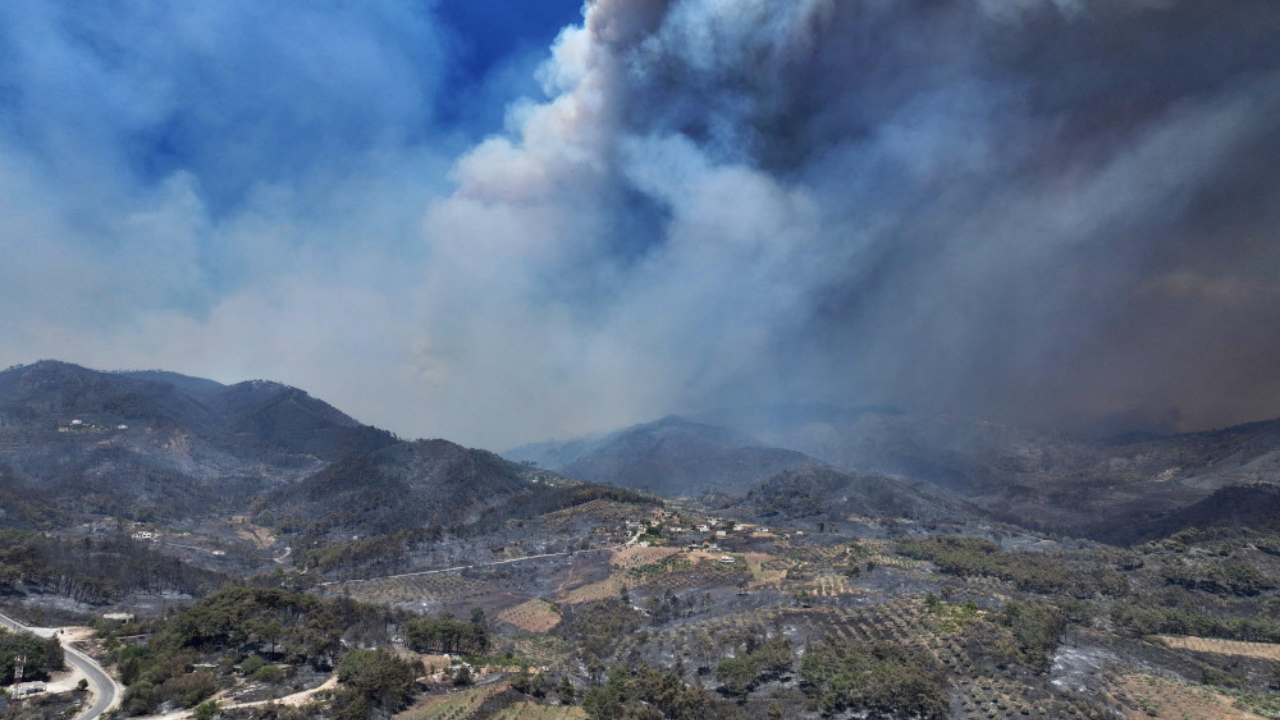
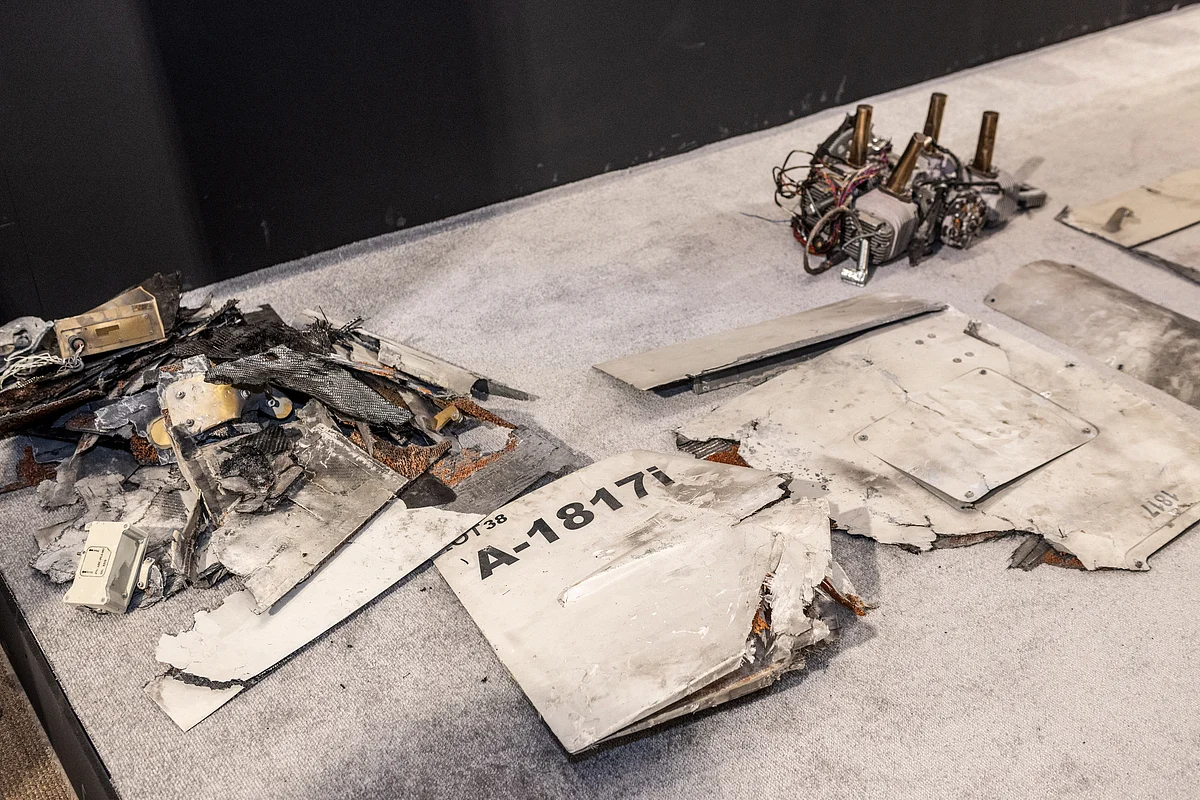
Iran’s retaliation underscored how the confrontation is spilling beyond a bilateral exchange. Associated Press reporting said Iranian missile and drone attacks struck at Israel, a Saudi air base hosting US troops, and areas affecting Gulf infrastructure, while Reuters reported Gulf states warning that Tehran’s strikes on their territory and critical facilities had become a direct threat to regional stability. That broader battlefield has become one of the central anxieties for markets: not only whether Israel and the United States will intensify operations inside Iran, but whether Gulf producers, shipping lanes and military installations will face heavier fire in the days ahead.
Financial markets reacted with little sign of confidence that diplomacy could contain the fallout quickly. Reuters said the Dow Jones Industrial Average dropped 1.7 per cent on Friday, confirming a correction from its February peak, while the S&P 500 and Nasdaq also fell as traders priced in the possibility that higher fuel costs could keep inflation sticky and complicate monetary policy. A separate Reuters market report said Brent crude rose 4.2 per cent to $112.57 a barrel and US crude gained 5.5 per cent to $99.64, with the Strait of Hormuz disruption remaining at the centre of the risk calculus. Gold also jumped as investors sought protection from escalating geopolitical uncertainty.
Energy is the channel through which this war is now pressing hardest on the global economy. Reuters reported that since the conflict began on 27 February, Brent has risen more than 50 per cent, and analysts polled by the news agency see prices staying elevated across most scenarios. Some warned that if the fighting expands to hit Iran’s export system more directly or if Hormuz remains constrained for longer, crude could move far higher still. Barclays estimated a prolonged Hormuz disruption could remove 13 million to 14 million barrels a day from supply, a scale large enough to unsettle everything from transport and fertiliser markets to manufacturing and household fuel bills.
That matters especially for oil-importing economies in Asia and Europe, where higher import bills can feed through quickly into inflation, currency pressure and weaker consumer demand. Reuters reported that foreign investors fled domestic assets at a record pace as the oil shock battered sentiment and pushed the rupee to an all-time low, a reminder that the war’s economic stress is being transmitted well beyond the combat zone. In the United States, Reuters separately reported consumer sentiment falling to a three-month low in March as households absorbed higher petrol prices and a darker inflation outlook.
The choice of targets on Friday also points to a strategic shift with implications beyond the immediate military balance. By hitting both nuclear-linked facilities and flagship industrial producers, the campaign appears designed not only to degrade capabilities that Israel says could support Iran’s weapons ambitions, but also to impose wider economic strain on Tehran. Steel is one of Iran’s largest non-oil industries and a significant source of export earnings. Strikes on large steelmakers therefore carry symbolic and economic weight, signalling that the costs of continued escalation could spread into employment, supply chains and state revenues.
For Gulf states, the war is no longer just a nearby crisis but a direct security and economic challenge. Reuters reported that Saudi Arabia, the UAE and Bahrain have pressed Washington to ensure that any endgame leaves Iran with sharply reduced missile and drone capabilities, while others such as Qatar, Oman and Kuwait are more focused on ending the fighting before the economic damage worsens. That split reflects the region’s dilemma: Gulf governments want protection from Iranian attacks, but they are also exposed to every extra day of disruption in shipping, refining, aviation and investor confidence.
The article Strikes on Iran jolt world markets appeared first on Arabian Post.
What's Your Reaction?