














Ramadan 2026: Why sighting crescent, not moon, matters, UAE astronomy centre clarifies
Ahead of Ramadan, UAE-based International Astronomical Centre has clarified some essential information related to the crescent sighting. On Tuesday, February 17, the crescent's parameters does not permit its sighting, according to "one of the most important religious authorities in Saudi Arabia", IAC said. Ramadan Prayer Timings The UAE-based astronomy centre also cautioned of the difference between the moon and the crescent, noting that these are not the same. Due to the closeness of the moon and the sun on Tuesday, the public must avoid directing binoculars or telescope towards the moon, IAC added.Stay up to date with the latest news. Follow KT on WhatsApp Channels.Here are some in-depth pointers on celestial happenings on February 17:Crescent positioningThe moon's elevation above the horizon on Tuesday is less than the amount needed for the crescent to be sighted, according to Mulhim Hindi, a researcher at Saudi's King Abdulaziz University.He pointed out that in Saudi, the maximum elevation of the moon above the horizon will be from the Jizan, reaching approximately half a degree above the visible horizon. However, he noted that according to Shaykh al-Islam Ibn Taymiyyah's pointers, if the moon's elevation is less than one degree from the horizon, it cannot be seen. Difference between moon and crescentWhile the moon exists in the sky every day, the crescent is one of the moon's phases, the UAE-based astronomy centre explained. Islamic months begin based on the crescent. On Tuesday, the moon will set before the sun, or along with it, for Arab and Islamic countries. For West Africa, the moon will set just a few minutes after sunset. On February 17, a solar eclipse will also take place which signifies the peak of the new moon phase. With the moon setting shortly after or at the same time as the sun, this short interval is not enough for the moon to transition from conjunction to a visible crescent.Avoid looking at objects close to sunAt sunset, the moon will be adjacent to the sun on Tuesday across the Arabian Peninsula. Looking at the sun or any body close to the sun through a telescope or binoculars can cause permanent or temporary blindness to the observer, IAC warned.Since any telescope directed toward the crescent's position during or after sunset may have the sun within its field of view, it poses a real danger to the observer's eye, UAE-based astronomers warned the public. Ramadan 2026 in UAE: Astronomer warns against false moon sighting information Ramadan 2026 likely to begin on February 19 in UAE, astronomers say
Ahead of Ramadan, UAE-based International Astronomical Centre has clarified some essential information related to the crescent sighting.
On Tuesday, February 17, the crescent's parameters does not permit its sighting, according to "one of the most important religious authorities in Saudi Arabia", IAC said. Ramadan Prayer Timings
The UAE-based astronomy centre also cautioned of the difference between the moon and the crescent, noting that these are not the same. Due to the closeness of the moon and the sun on Tuesday, the public must avoid directing binoculars or telescope towards the moon, IAC added.
Stay up to date with the latest news. Follow KT on WhatsApp Channels.
Here are some in-depth pointers on celestial happenings on February 17:
Crescent positioning
The moon's elevation above the horizon on Tuesday is less than the amount needed for the crescent to be sighted, according to Mulhim Hindi, a researcher at Saudi's King Abdulaziz University.
He pointed out that in Saudi, the maximum elevation of the moon above the horizon will be from the Jizan, reaching approximately half a degree above the visible horizon.
However, he noted that according to Shaykh al-Islam Ibn Taymiyyah's pointers, if the moon's elevation is less than one degree from the horizon, it cannot be seen.
Difference between moon and crescent
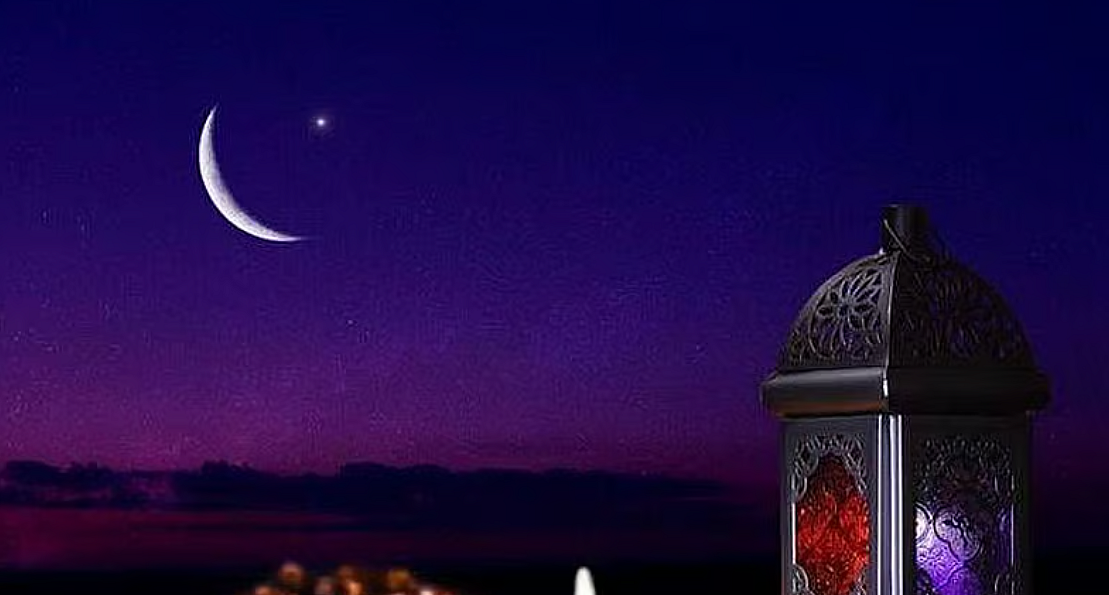
While the moon exists in the sky every day, the crescent is one of the moon's phases, the UAE-based astronomy centre explained.
Islamic months begin based on the crescent. On Tuesday, the moon will set before the sun, or along with it, for Arab and Islamic countries. For West Africa, the moon will set just a few minutes after sunset.
On February 17, a solar eclipse will also take place which signifies the peak of the new moon phase.
With the moon setting shortly after or at the same time as the sun, this short interval is not enough for the moon to transition from conjunction to a visible crescent.
Avoid looking at objects close to sun
At sunset, the moon will be adjacent to the sun on Tuesday across the Arabian Peninsula. Looking at the sun or any body close to the sun through a telescope or binoculars can cause permanent or temporary blindness to the observer, IAC warned.
Since any telescope directed toward the crescent's position during or after sunset may have the sun within its field of view, it poses a real danger to the observer's eye, UAE-based astronomers warned the public.
What's Your Reaction?