























Opinion: Social Media Is Toxic When It Comes to Tough Issues. Schools Can Help Kids Cope
Many educators are being asked to do two contradictory things at once: teach students how to participate in a democracy and avoid the very topics that democratic life requires them to confront. Teenagers’ digital feeds are filled with graphic images and claims about U.S. immigration enforcement, including civilian deaths in Minneapolis; geopolitical brinkmanship involving Venezuela […]

Many educators are being asked to do two contradictory things at once: teach students how to participate in a democracy and avoid the very topics that democratic life requires them to confront.
Teenagers’ digital feeds are filled with graphic images and claims about U.S. immigration enforcement, including civilian deaths in Minneapolis; geopolitical brinkmanship involving Venezuela and Greenland; and ongoing conflicts in Gaza and Ukraine. These events arrive on kids’ phones, compressed into memes and clips long before facts are verified or meaning can be made.
Get stories like this delivered straight to your inbox. Sign up for The 74 Newsletter
At the same time, schools are locked in public conflicts over cellphone and book bans, curriculum restrictions and artificial intelligence policies. In this environment, many educators understandably see avoidance of potentially contentious topics — including political issues and even civics — as a survival strategy. Discussing the war in the Middle East can be read as advocacy. Talking about immigration raids — or even the meaning of the rule of law — can spark backlash. Staying silent often feels safer.
But young people are not waiting for adults to dive in.
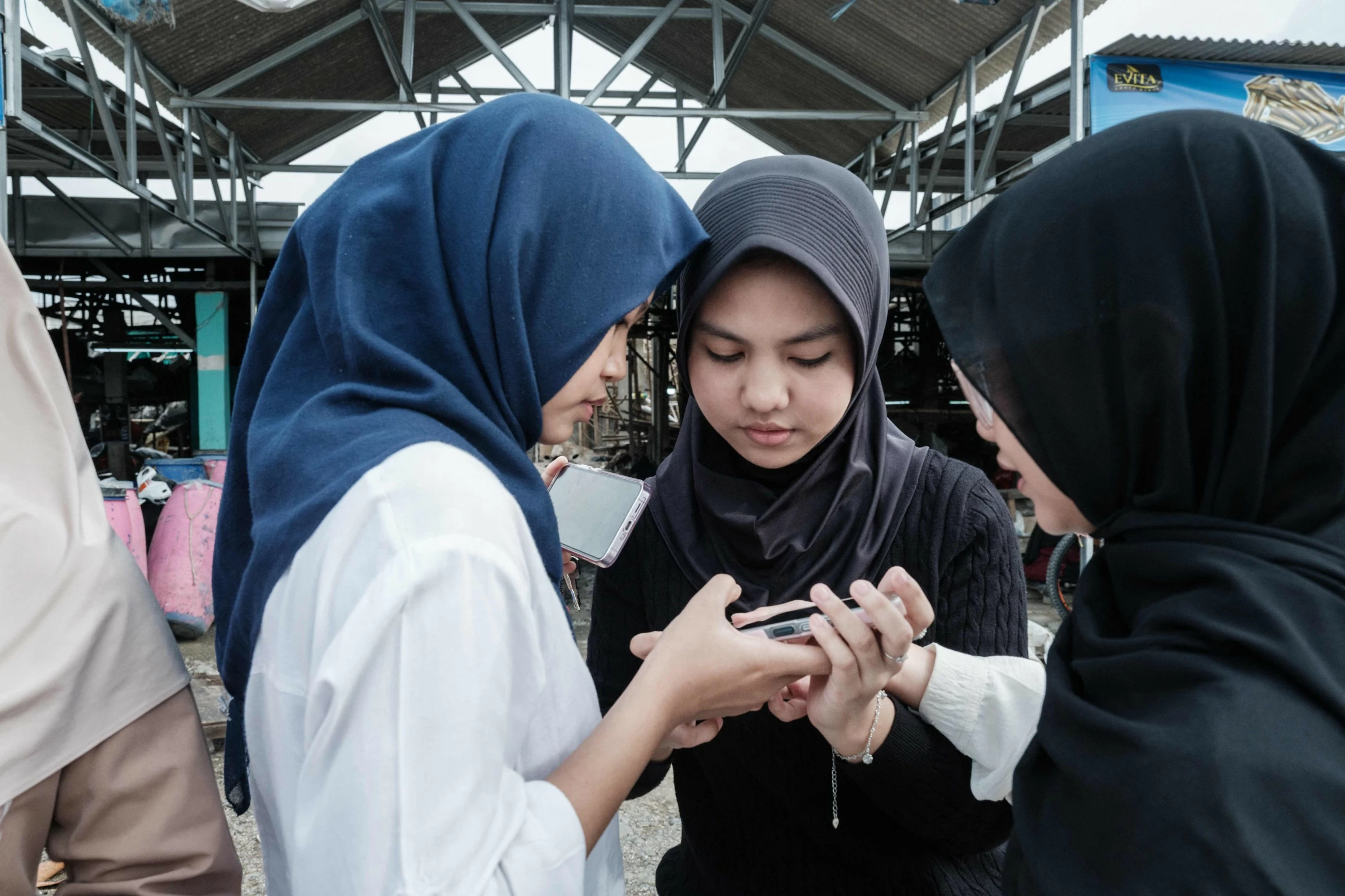
They encounter war, political upheaval and social fracture in the same digital spaces where they flirt, joke and pursue their interests. When something trends or becomes a meme, it immediately shows up in group chats, tests friendships and erupts in classrooms as debates over who belongs.
That is the civics problem hiding in plain sight: Young people are learning how public life works — grappling with evidence and the best resolutions to issues, especially when there are disagreements — in environments that reward certainty and spectacle while punishing nuance and humility.
Since 2024, our researchers have studied how young people and educators are navigating this reality. Through in-depth interviews with more than 100 middle and high school students, educators and school leaders in New York City and Southern California, as well as college students and faculty across the country, we examined how young people make sense of contentious events and decide what information to trust, and how digital media shapes their views and relationships. We are releasing those findings in a new report, Coming of Age in Polarized Times: Teaching Civil Discourse in a Digital Era.
We found that most teens do not hold extreme views but believe their peers are far more polarized than they are. Many care deeply about issues like immigration, antisemitism, racial justice and climate change but worry that what they say will be misunderstood or weaponized.
Young people are also keenly aware that digital environments distort what they see. They know algorithms are not neutral. Some try to block accounts, follow posts with different perspectives and like content on multiple sides of an issue. But they are also teenagers. They want their feeds to be social and affirming. And they can’t fact-check a disappearing clip the way they can revisit a textbook or compare sources side by side.
The result is a corrosive belief that we heard again and again: Nothing is really true. Every claim has a counterclaim. Every source has an agenda. When nothing feels verifiable, cynicism grows — and creates fertile ground for disengagement.
Teens see classrooms as one of the few places where they can slow down, ask real questions and change their minds. But school functions as a counterweight only when adults establish shared evidence standards and structured opportunities to practice disagreement over time.
This is where many schools are falling short — not because educators don’t care, but because they are being asked to improvise under pressure.
Teachers told us they view engaging complex, controversial issues as part of their responsibility to young people, but they fear being perceived as biased or vulnerable to backlash. In today’s climate, classrooms can feel like both a refuge and a pressure cooker.
Too often, the tools teachers reach for are fragmented: a digital literacy lesson that assumes students encounter information mainly through websites; lessons on active listening divorced from content that would require such skills; and content related to social issues that doesn’t match what students see in their feeds. Teens notice when discussions are avoided or abruptly shut down, making them confused and anxious.
If America’s education leaders are serious about civic learning, they cannot keep treating tough topics as extracurricular.
That includes conflicts like Israel-Palestine and the rise in antisemitism and xenophobia — issues that are deeply personal for many students. Our research probed students’ and teachers’ perspectives on teaching about the Middle East conflict because it is a strong example of what happens when young people are pressed to pick a side on a hotly contested topic before they have had time to learn, debate and sit with moral complexity. These challenges are not limited to any one issue; students we interviewed also disclosed how affected they were by other news they encountered first in their feeds, from Charlie Kirk’s assassination to immigration raids by ICE.
Schools cannot resolve geopolitics. But they can teach the habits of mind and heart that democratic life depends on. Our research points to three practical commitments that school systems and education leaders can act on now.
First, make evidence-building a core civic priority — not “my truth” and “your truth,” but shared texts, verifiable sources and clear norms about what counts as evidence, both for in-person discussions and in digital forums, from social media to group chats.
Second, treat discourse as a practice, not a personality trait. Civil discourse is not about being nice. It is a teachable skill set: asking honest questions, acknowledging uncertainty, resisting easy answers, and maintaining peer relationships even in disagreement.
Third, teach tough topics with good guardrails. Avoidance does not protect students; it abandons them to confront challenging issues alone in digital spaces designed to amplify their outrage rather than understanding. What students need are structured opportunities — in classrooms — to slow down, examine evidence and ask hard questions.
Beyond those more immediate changes, teachers need longer-range help in managing rapid technological change — including how the content that students encounter online inevitably spills into the classroom. Schools need AI-driven learning tools that update easily to include current events, designed to help students learn how to transform information into knowledge and disagreements into deeper understanding of one another.
Young people are not asking for perfect adults or painless conversations. They are asking for adults who will not disappear when things get hard.
At a time when public life rewards outrage and withdrawal, schools are one of the last places where young people can be encouraged to lean into the discomfort of talking through their differences long enough to think, listen and better connect with ideas and with one another. That is education’s most urgent calling.
What's Your Reaction?