






















Opinion: As Extreme Weather Disrupts Education, Schools Must Plan for the Next Disaster
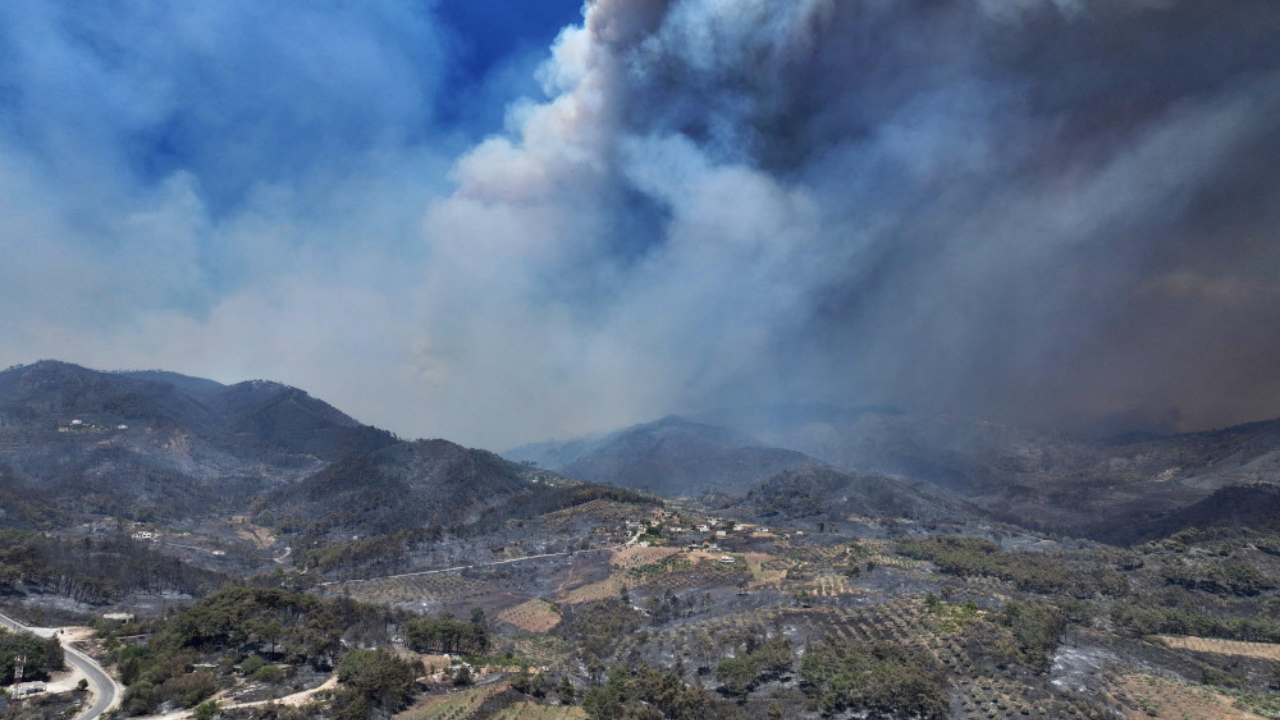
Climate-related disruptions have far-reaching consequences that are already impacting school operations and deepening education inequity nationwide. In recent years, extreme heat, wildfires, flooding and severe storms have forced schools to close, cancel classes or shift calendars. In the U.S., more than 9 million students faced school closures or canceled activities due to extreme weather during […]

Climate-related disruptions have far-reaching consequences that are already impacting school operations and deepening education inequity nationwide. In recent years, extreme heat, wildfires, flooding and severe storms have forced schools to close, cancel classes or shift calendars.
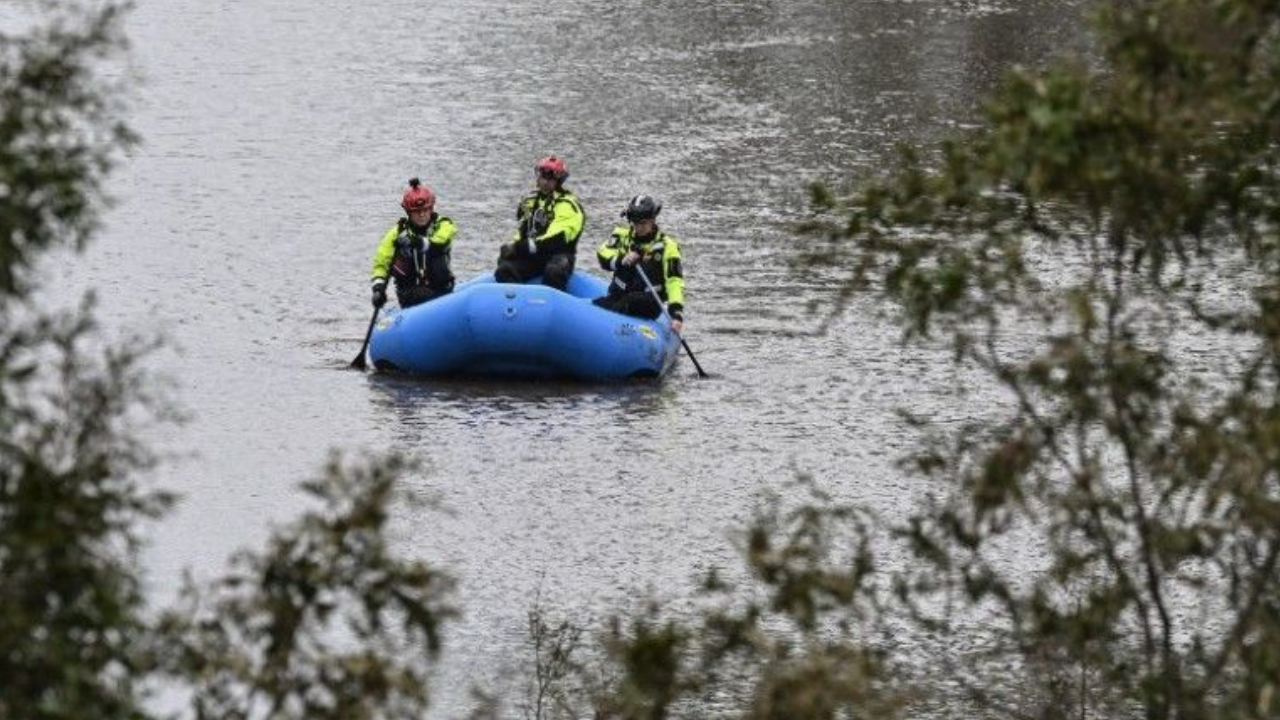
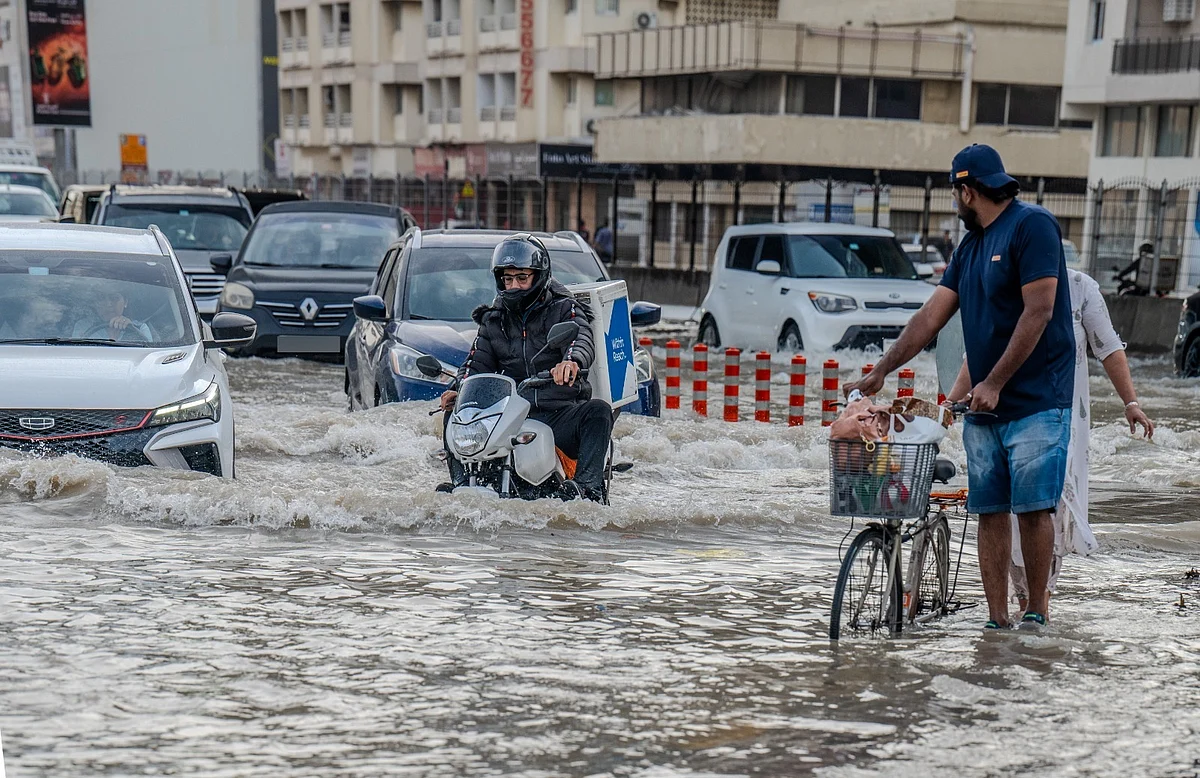
In the U.S., more than 9 million students faced school closures or canceled activities due to extreme weather during the 2024-25 school year. In western North Carolina, 76,000 students were affected by Tropical Storm Helene in 2024, with some missing up to 40 days of instruction due to flooding, power outages and damaged roads. That same year, Phoenix experienced 113 consecutive days of temperatures at or above 100 degrees Fahrenheit, disrupting school activities and creating a cumulative impact on learning.
Extreme and prolonged conditions like these have repercussions that build over time. Repeated closures and altered schedules make it harder for students to stay on track academically and create ongoing stress for both children and caregivers.
Get stories like this delivered straight to your inbox. Sign up for The 74 Newsletter
Such disturbances have led to learning loss, as reflected in lower test scores, and the consequences often hit students already experiencing socioeconomic inequities the hardest. As an EdTrust report on environmental injustice highlights, people of color are disproportionately more likely to live in flood-prone areas and attend under-resourced schools, with outdated HVAC systems that are vulnerable to extreme heat. These challenges, combined with unstable housing, poorer health care and limited access to reliable transportation, make it significantly harder for families and students to regain stability when daily routines are knocked off kilter.
As such disasters become more frequent, intense and unpredictable, schools and communities are going to have to grapple with these inevitable realities. Reducing carbon footprints and improving climate education are key strategies for adaptation.
For example, the Maryland Association of Boards of Education declared that in order to provide schools that are safe, functional and fair for all students, a climate action plan should be put in place. The state also has an outdoor learning partnership that brings together state and federal agencies, nonprofits and community-based youth groups to develop conservation‑focused recommendations, help teachers meet environmental literacy standards and aid districts in sustainability efforts.
New Jersey instituted Climate Change Education Student Learning Standards and formed the New Jersey Climate Change Education Initiative to prepare public school teachers to integrate climate education across grade levels and content areas. In 2024, Colorado’s legislature approved a climate literacy diploma endorsement.
Other states, including California, Connecticut, Maine, Illinois, Oregon and Washington, have passed legislation promoting climate literacy. Embedding eco-education across subjects and grade levels can prepare young people to embrace environmental stewardship. Project-based approaches like environmental monitoring, design challenges and student energy audits can deepen learning while improving campus conditions. In addition, taking deliberate steps to prepare learners for green or clean energy jobs and helping them feel confident in science and math can help ensure every student is adequately prepared for future economies.
These approaches align with KnowledgeWorks’ latest 10-year forecast, Charting a New Course for Education, which looks ahead at how schools and learning are likely to change over the next decade. The report asks policymakers and district leaders to start planning now for a future of education where learning increasingly happens outside physical classrooms and decisions and resources are managed with the understanding that worsening environmental conditions will continue to shape school operations and learning experiences.
Districts around the U.S. have been devising climate action plans and establishing environmental sustainability offices, and some teachers unions have demanded that their districts establish or update them.
These plans outline commitments and connect resources and initiatives that can help insulate schools and districts from the ill effects of weather-related events. This might include installing solar panels and battery storage to keep schools open during power outages or ensuring that students have access to laptops and the internet for remote learning during closures. Training counselors and educators to address climate-related stress and the impacts of disruption and displacement on students can be another powerful tactic.
Longer term, as the forecast highlights, schools might consider flexible, year-round calendars that allow for quick adjustments during climate disruptions. Communities could partner with libraries, recreation centers and businesses to create learning hubs during emergencies in return for tax breaks or other incentives.
Alternatively, states might put in place climate readiness certifications that would require schools, especially new and renovated buildings, to meet resilience standards for infrastructure, energy systems and emergency protocols.
In the meantime, resources are available to help state and district leaders take concrete steps toward addressing the current and future impacts of climate change and related events.
Among them, a K12 Climate Action Plan by Aspen Institute’s This Is Planet Ed helps schools and districts consider how to adapt to climate change, mitigate its impacts, educate young people about successful green economies and advance equity by prioritizing and involving communities that are most impacted.
In addition, UNESCO’s Green School Quality Standard provides international guidelines for creating environmentally friendly learning environments that reduce waste, save energy and use sustainable materials.
Schools and districts play a central role in community stability and opportunity. Designing facilities, operations and instruction that can withstand extreme weather, adapt to changing environmental conditions and recover quickly when disasters strike will be critical. In doing this work, the people and neighborhoods that face the greatest challenges should be asked where the most acute problems show up and what support would make the biggest difference when daily life is interrupted.
With coordinated support from state and regional partners, districts can move from reactive responses to proactive systems: stronger buildings, adaptive calendars, clean energy infrastructure, climate-ready teaching and shared community resources.
Together, these steps can help schools meet immediate challenges while laying the groundwork for long-term sustainability. By acting now, education leaders can build a more resilient future of learning for every student.
Jeremiah-Anthony Righteous-Rogers, senior manager of strategic foresight at KnowledgeWorks and a former community organizer and program assistant in New Orleans and Washington, D.C., also contributed to this essay.
What's Your Reaction?