






















Oil Displays An Uneasy Calm Amid Trump’s Brinkmanship On Iran
By K Raveendran Oil prices have jumped roughly six percent in the span of a week, pushing benchmarks to around $63 a barrel and jolting a market that had grown accustomed to softer expectations closer to $50. The move has been swift enough to prompt talk of an over-reaction, not least because traders have already […] The article Oil Displays An Uneasy Calm Amid Trump’s Brinkmanship On Iran appeared first on Latest India news, analysis and reports on Newspack by India Press Agency). The article Oil Displays An Uneasy Calm Amid Trump’s Brinkmanship On Iran appeared first on Arabian Post.
By K Raveendran
Oil prices have jumped roughly six percent in the span of a week, pushing benchmarks to around $63 a barrel and jolting a market that had grown accustomed to softer expectations closer to $50. The move has been swift enough to prompt talk of an over-reaction, not least because traders have already absorbed a series of destabilising signals without a comparable repricing. The rise nevertheless reflects a familiar truth about energy markets: geopolitics does not need to interrupt supply to move prices; it merely needs to threaten the balance of risks.
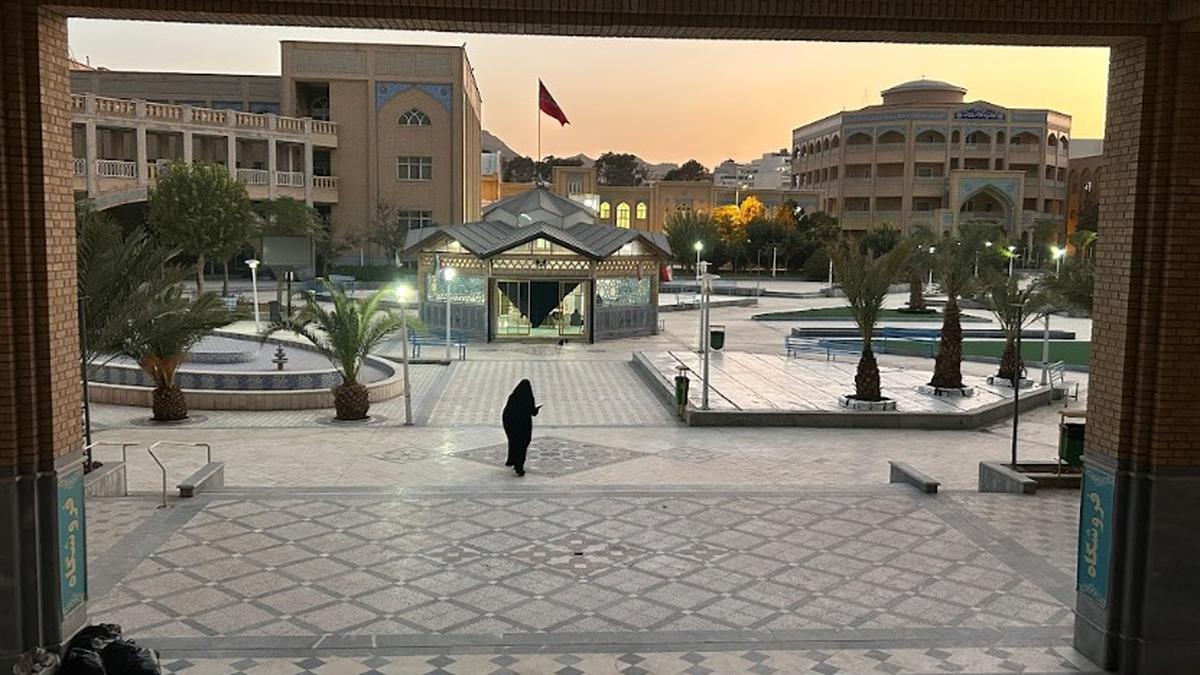
At the centre of the latest tremor sits Iran, whose domestic political flux and external frictions have returned it to the forefront of market psychology. Oil’s sensitivity to Tehran’s fortunes is long-standing, rooted in geography, volumes and history. Yet the present move is notable because it has arrived despite the market’s apparent resilience through other shocks, including heightened military rhetoric and exchanges linked to the Israeli-Iran conflict. The implication is that prices are responding less to a discrete event than to a reassessment of trajectories—what might happen next rather than what has already occurred.
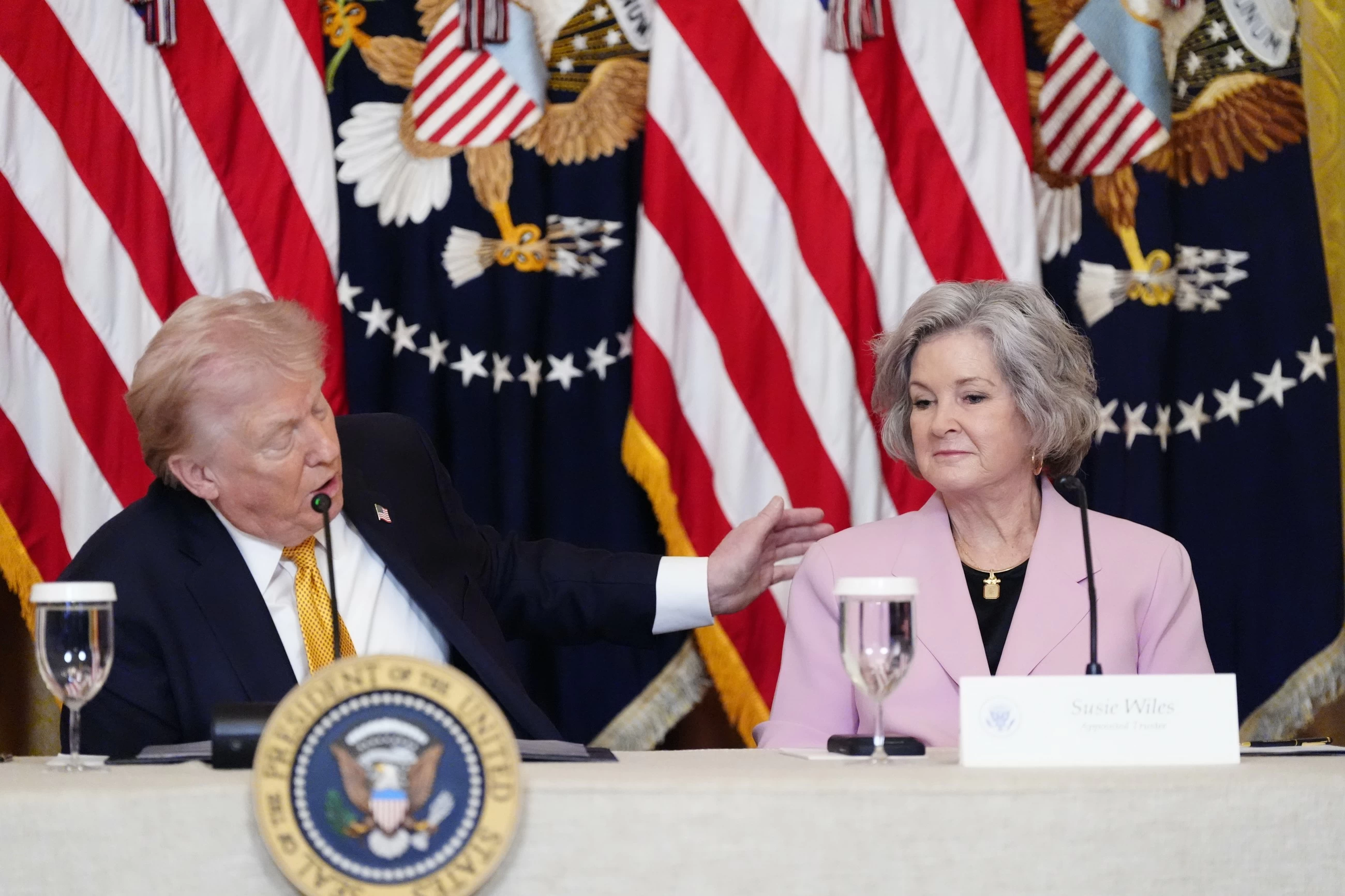
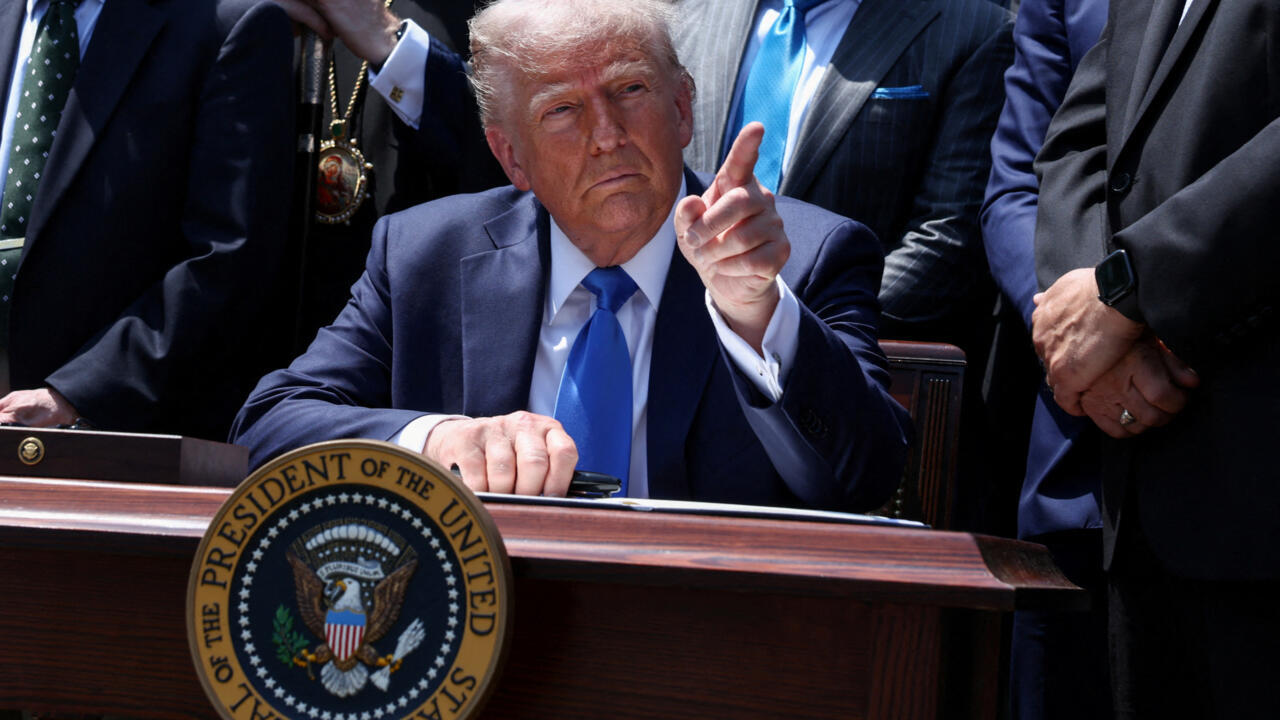
That reassessment is inevitably shaped by Washington. All eyes have turned to Donald Trump, whose approach blends transactional diplomacy with pressure tactics and an instinct for spectacle. The prevailing view in markets is that the White House seeks leverage over Tehran without crossing thresholds that would inflict avoidable economic harm or trigger uncontrolled escalation. In this reading, oil infrastructure sits behind a notional red line. Energy assets are the lifeblood of the Iranian economy and the arteries of global supply; striking them would carry consequences far beyond the intended target, with ripple effects that would quickly feed back into American interests.
This calculation matters because it frames the probability distribution that traders assign to outcomes. If the likelihood of direct hits on production, storage or export routes is judged low, then the price response ought to be contained. That is the essence of the over-reaction argument: the market has priced a tail risk more aggressively than fundamentals justify. Inventories remain adequate, non-OPEC supply continues to show elasticity, and demand growth—while uneven across regions—has not surged. From this vantage point, the spike to $63 looks less like a new equilibrium and more like a volatility premium layered onto an otherwise balanced market.
Yet dismissing the move entirely would be complacent. Geopolitical risk premia are not solely about physical disruption; they also capture uncertainty over policy pathways. Washington’s manoeuvring, if aimed at fostering conditions for regime change, introduces a long fuse of unpredictability. Such strategies are rarely linear. They involve sanctions calibration, diplomatic signalling, regional alliances and domestic politics within Iran itself. Each step can generate countermoves that complicate the picture, even if energy installations are spared. Insurance costs, shipping routes, compliance burdens and the behaviour of state-owned firms can all be affected without a single barrel being knocked offline.
There is also the question of market memory. Traders recall episodes when assumptions about restraint proved optimistic. The Gulf’s geography magnifies this caution. Chokepoints, dense infrastructure and overlapping theatres mean that miscalculations can cascade. Even if deliberate targeting is avoided, accidents and misread signals can unsettle flows. In that sense, the current price action may be less about panic than about humility—an acknowledgement that models calibrated to calm conditions struggle when politics intrudes.
The argument that prices had been anchored too low before the jump deserves attention. Forecasts of $50 oil reflected confidence in supply growth and faith in demand moderation, but they also rested on a belief that geopolitical shocks would remain compartmentalised. The week’s rally suggests that confidence was brittle. Markets are not binary judges of right and wrong; they oscillate as narratives gain or lose credibility. A six percent move is dramatic in headline terms, yet it pales beside swings seen in earlier crises. Context matters, and by historical standards the reaction remains measured.
For producers, the uptick offers breathing room without windfall exuberance. Many have adjusted fiscal plans to lower price decks, and a move into the low-to-mid $60s eases pressure without inviting complacency. For consumers, the pass-through is more nuanced. Fuel prices respond with lags and are mediated by taxes, currencies and margins. Policymakers watching inflation gauges will note the rise but are unlikely to panic unless it proves durable. The real test lies in whether volatility becomes entrenched.
That durability hinges on signalling from Washington and Tehran. If the next moves reinforce the notion that energy assets are off limits and that pressure will be applied through channels that spare global markets, the risk premium should erode. Prices could drift back toward levels justified by supply-demand balances. Conversely, if rhetoric hardens or actions blur the distinction between leverage and escalation, traders will be reluctant to fade the move. Volatility begets volatility; once uncertainty is elevated, it feeds on itself.
There is a strategic irony here. A policy aimed at reshaping regional politics to place American interests at the centre must weigh the economic backdrop at home. Oil prices are a visible metric for voters and businesses alike. Allowing a geopolitical strategy to inflate energy costs would undercut its domestic case. This constraint bolsters the belief that restraint will prevail around infrastructure. It does not eliminate risk, but it trims the tails. (IPA Service)
The article Oil Displays An Uneasy Calm Amid Trump’s Brinkmanship On Iran appeared first on Latest India news, analysis and reports on Newspack by India Press Agency).
The article Oil Displays An Uneasy Calm Amid Trump’s Brinkmanship On Iran appeared first on Arabian Post.
What's Your Reaction?