




















Explained: NCM official breaks down the latest cold wave across UAE, parts of the world
As unusually cold weather swept across the UAE this week, many residents asked: What’s behind this cold snap, how does it fit into global climate patterns, and what comes next? Khaleej Times spoke with Dr Mohamed Al Ebri, Director of Meteorology at the National Center of Meteorology (NCM), to break it all down.What caused this cold wave?Dr Al Ebri explained that the current cold spell affecting the UAE is not an isolated local event, but part of broader global climate dynamics. Central to this is the La Niña phenomenon — a climate pattern driven by cooler-than-normal sea surface temperatures in parts of the Pacific Ocean, which impacts weather patterns around the world.“This cold is a result of these two phenomena that have a global impact…” Dr Al Ebri said, referring to La Niña and related atmospheric shifts. Stay up to date with the latest news. Follow KT on WhatsApp Channels.In simple terms, La Niña influences global pressure and wind patterns, which can increase the likelihood of cold air outbreaks in certain regions, including parts of the Northern Hemisphere like the UAE.La Niña forms when Pacific trade winds strengthen, pushing warmer water westward and allowing cooler deep water to surface in the central and eastern Pacific. This shifts atmospheric circulation and affects rainfall, winds, and temperature patterns worldwide. Has La Niña hit the world beyond the UAE?Yes. La Niña is global in reach — especially across the Northern Hemisphere, where weather systems often move from west to east.Recent global meteorological analysis confirms that La Niña conditions are present in the tropical Pacific, though they are relatively weak and likely short-lived. Institutions such as the World Meteorological Organisation (WMO) estimate a roughly 55 per cent chance of weak La Niña conditions influencing weather into the coming months before shifting back to neutral.In North America and Europe, disruptions of the polar vortex — partly linked to atmospheric warming events high in the stratosphere—have increased the chances of cold air spilling southward, bringing colder-than-normal conditions in many areas.What about the Southern Hemisphere?The situation in the Southern Hemisphere is different.Meteorological data shows that La Niña’s influence is greatest in the tropical and Northern Hemisphere weather patterns. While La Niña can also affect regions like Australia and New Zealand, its impacts there are not always cold waves — and recent conditions show mixed signals rather than widespread chill.In fact, parts of southeastern Australia recorded intense heatwaves this January, with temperatures exceeding 40 °C in major cities like Sydney and Melbourne — a reminder that heat extremes can occur even during a La Niña phase, especially when supercharged by long-term climate change. Australia’s national climate records also show that sea surface temperatures around the continent are among the warmest on record, providing fuel for heatwaves and extreme weather events that contrast sharply with cold patterns elsewhere. For New Zealand, climate authorities note that ENSO (El Niño/Southern Oscillation) influences temperature and rainfall patterns, but impacts vary by season and region. During La Niña, some areas experience wetter conditions and shifts in wind patterns rather than a consistent Southern Hemisphere cold wave. Is this unusual?Dr Al Ebri stressed that cold waves are not new in the UAE. While recent temperatures felt very chilly, especially at night and in interior desert areas, they are “not the coldest ever”. Historical data shows that the UAE has recorded lower temperatures in previous winters, and extreme cold in mountain regions is also not unprecedented.What is changing, however, is the frequency of climatic oscillations like La Niña and El Niño. In the past, these Pacific cycles typically alternated every 5–7 years; now, because of broader climate variability influenced by global warming, they can occur every 2–3 years, making weather patterns more variable and harder to predict, Dr Al Ebri explained.What’s next for the UAE?Looking ahead, Dr Al Ebri said the cold will linger for the next few days, with temperatures remaining lower than average overnight and daytime feels subdued. However, a slight warming trend is expected soon, and light rain may occur in northern and eastern areas around January 25. After that, temperatures could fluctuate, with occasional cold spells and moderate warm periods through the winter season. In short: Expect normal winter variability — with cool nights, mild days and occasional cold remnants, but not prolonged extremes.UAE residents face cold weather snap but it will be short-lived: NCM expertUAE weather: Strong winds uproot trees as temperatures set to dip to 7ºC
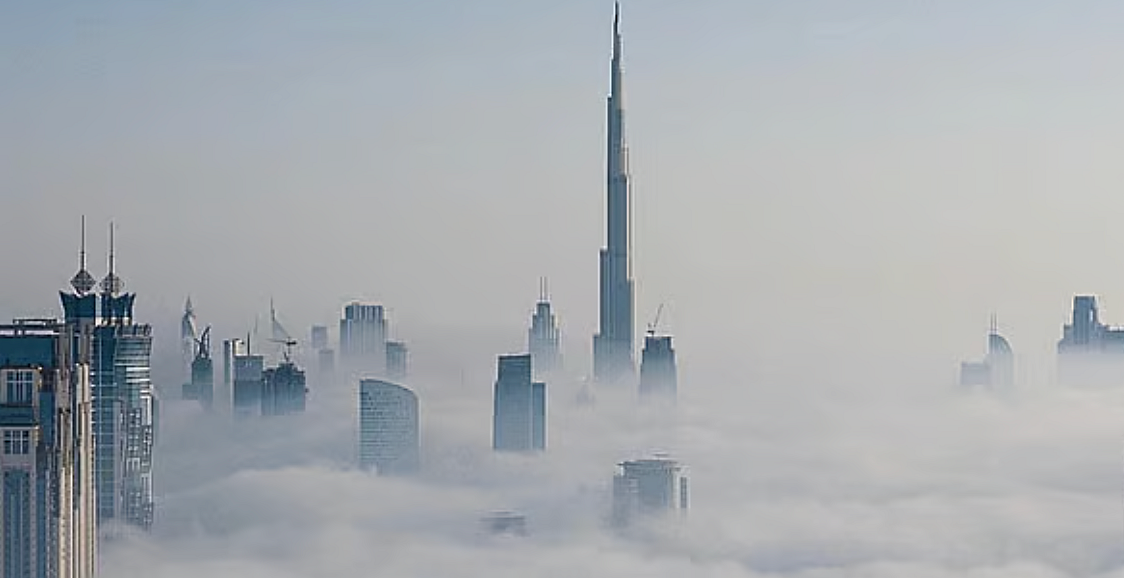
As unusually cold weather swept across the UAE this week, many residents asked: What’s behind this cold snap, how does it fit into global climate patterns, and what comes next? Khaleej Times spoke with Dr Mohamed Al Ebri, Director of Meteorology at the National Center of Meteorology (NCM), to break it all down.
What caused this cold wave?
Dr Al Ebri explained that the current cold spell affecting the UAE is not an isolated local event, but part of broader global climate dynamics. Central to this is the La Niña phenomenon — a climate pattern driven by cooler-than-normal sea surface temperatures in parts of the Pacific Ocean, which impacts weather patterns around the world.
“This cold is a result of these two phenomena that have a global impact…” Dr Al Ebri said, referring to La Niña and related atmospheric shifts.
Stay up to date with the latest news. Follow KT on WhatsApp Channels.
In simple terms, La Niña influences global pressure and wind patterns, which can increase the likelihood of cold air outbreaks in certain regions, including parts of the Northern Hemisphere like the UAE.
La Niña forms when Pacific trade winds strengthen, pushing warmer water westward and allowing cooler deep water to surface in the central and eastern Pacific. This shifts atmospheric circulation and affects rainfall, winds, and temperature patterns worldwide.
Has La Niña hit the world beyond the UAE?
Yes. La Niña is global in reach — especially across the Northern Hemisphere, where weather systems often move from west to east.
Recent global meteorological analysis confirms that La Niña conditions are present in the tropical Pacific, though they are relatively weak and likely short-lived. Institutions such as the World Meteorological Organisation (WMO) estimate a roughly 55 per cent chance of weak La Niña conditions influencing weather into the coming months before shifting back to neutral.
In North America and Europe, disruptions of the polar vortex — partly linked to atmospheric warming events high in the stratosphere—have increased the chances of cold air spilling southward, bringing colder-than-normal conditions in many areas.
What about the Southern Hemisphere?
The situation in the Southern Hemisphere is different.
Meteorological data shows that La Niña’s influence is greatest in the tropical and Northern Hemisphere weather patterns. While La Niña can also affect regions like Australia and New Zealand, its impacts there are not always cold waves — and recent conditions show mixed signals rather than widespread chill.
In fact, parts of southeastern Australia recorded intense heatwaves this January, with temperatures exceeding 40 °C in major cities like Sydney and Melbourne — a reminder that heat extremes can occur even during a La Niña phase, especially when supercharged by long-term climate change.
Australia’s national climate records also show that sea surface temperatures around the continent are among the warmest on record, providing fuel for heatwaves and extreme weather events that contrast sharply with cold patterns elsewhere.
For New Zealand, climate authorities note that ENSO (El Niño/Southern Oscillation) influences temperature and rainfall patterns, but impacts vary by season and region. During La Niña, some areas experience wetter conditions and shifts in wind patterns rather than a consistent Southern Hemisphere cold wave.
Is this unusual?
Dr Al Ebri stressed that cold waves are not new in the UAE. While recent temperatures felt very chilly, especially at night and in interior desert areas, they are “not the coldest ever”. Historical data shows that the UAE has recorded lower temperatures in previous winters, and extreme cold in mountain regions is also not unprecedented.
What is changing, however, is the frequency of climatic oscillations like La Niña and El Niño. In the past, these Pacific cycles typically alternated every 5–7 years; now, because of broader climate variability influenced by global warming, they can occur every 2–3 years, making weather patterns more variable and harder to predict, Dr Al Ebri explained.
What’s next for the UAE?
Looking ahead, Dr Al Ebri said the cold will linger for the next few days, with temperatures remaining lower than average overnight and daytime feels subdued. However, a slight warming trend is expected soon, and light rain may occur in northern and eastern areas around January 25. After that, temperatures could fluctuate, with occasional cold spells and moderate warm periods through the winter season.
In short: Expect normal winter variability — with cool nights, mild days and occasional cold remnants, but not prolonged extremes.
What's Your Reaction?