



























Egyptian Nightjar returns to UAE's Wadi Wurayah Reserve, 5 years after 2021 sighting
The Egyptian Nightjar has made a return to Fujairah's Wadi Wurayah Biosphere Reserve after five years. In January 2026, field teams saw the bird during regular environmental monitoring in the area.The bird was first documented at the site in 2021, when it was fitted with an identification ring. At the time, its vital signs were registered and details fully documented. These included aspects like height and weight; it was then released to track its migration path.Five years later, in 2026, the Fujairah Environment Authority team was able to recapture the very same bird within the reserve. The team succeeded in identifying the bird again due to the long-term ringing and monitoring programme.Stay up to date with the latest news. Follow KT on WhatsApp Channels.This enables authorities to track birds over extended periods, review their movement patterns and natural site fidelity. Situated in the majestic Hajar Mountains, the reserve is an important one for migratory and nocturnal birds. It serves as a secured and reliable stopover and roosting site along regional migration routes.The Egyptian Nightjar is a nocturnal ground-nesting species that depends on gravel plains and open wadis undisturbed by human activity. Migratory birds do not merely pass through the eastern Arabian Peninsula, but they repeatedly return to Wadi Wurayah Biosphere Reserve as part of their seasonal trips. The reserve serves as a key natural habitat for maintaining species in arid, mountainous environments. Authorities monitor numerous birds and wildlife that rely on permanent water pools, wadis, and gravel plains within the reserve.Critically endangered 'camel bird' returns to Saudi Arabia after almost 100 years UAE: Endangered migratory bird on Red List observed in Wasit Reserve
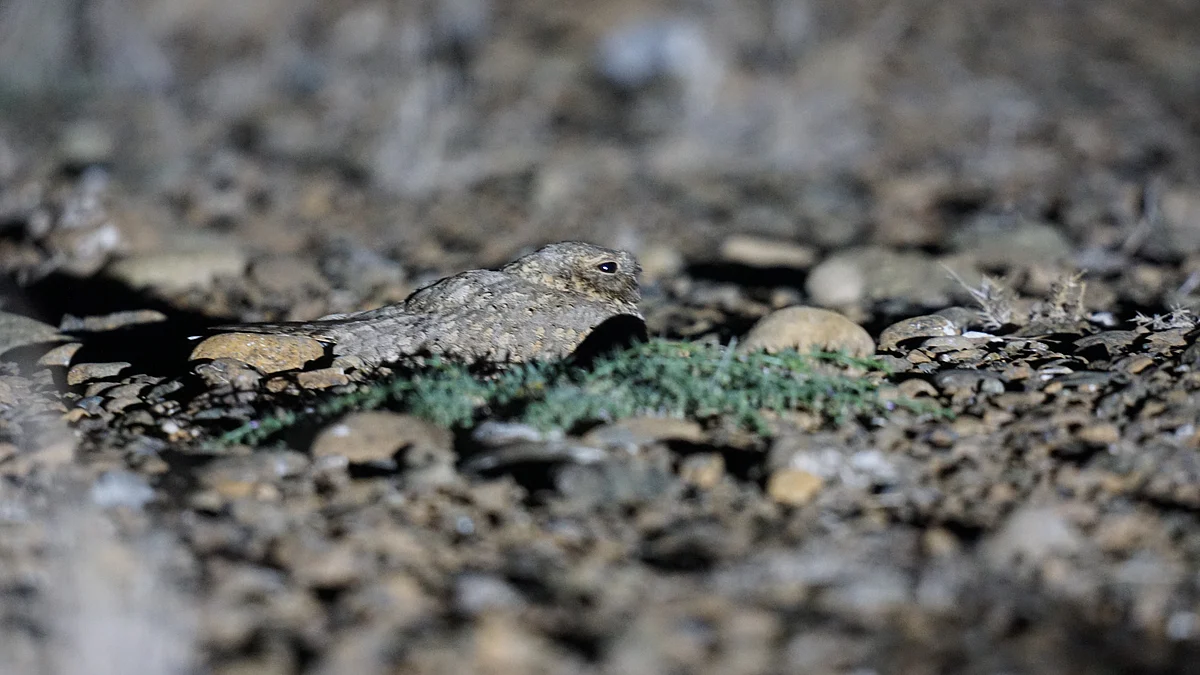
The Egyptian Nightjar has made a return to Fujairah's Wadi Wurayah Biosphere Reserve after five years. In January 2026, field teams saw the bird during regular environmental monitoring in the area.
The bird was first documented at the site in 2021, when it was fitted with an identification ring. At the time, its vital signs were registered and details fully documented. These included aspects like height and weight; it was then released to track its migration path.
Five years later, in 2026, the Fujairah Environment Authority team was able to recapture the very same bird within the reserve. The team succeeded in identifying the bird again due to the long-term ringing and monitoring programme.
Stay up to date with the latest news. Follow KT on WhatsApp Channels.
This enables authorities to track birds over extended periods, review their movement patterns and natural site fidelity.
Situated in the majestic Hajar Mountains, the reserve is an important one for migratory and nocturnal birds. It serves as a secured and reliable stopover and roosting site along regional migration routes.
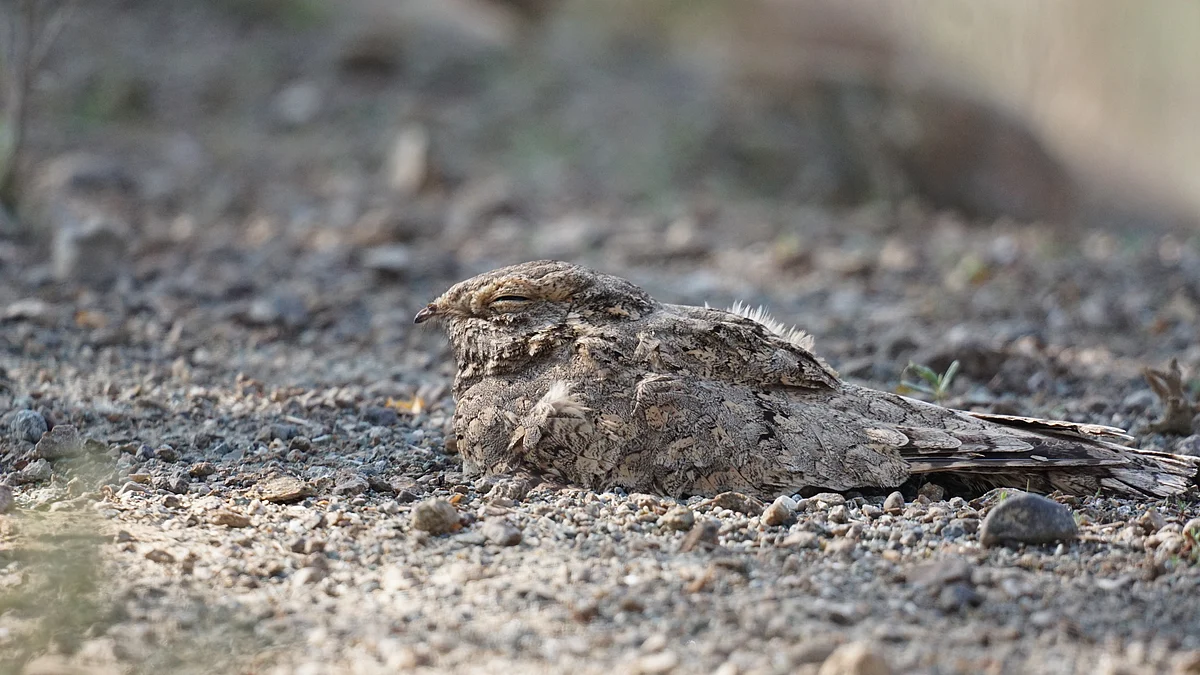
The Egyptian Nightjar is a nocturnal ground-nesting species that depends on gravel plains and open wadis undisturbed by human activity. 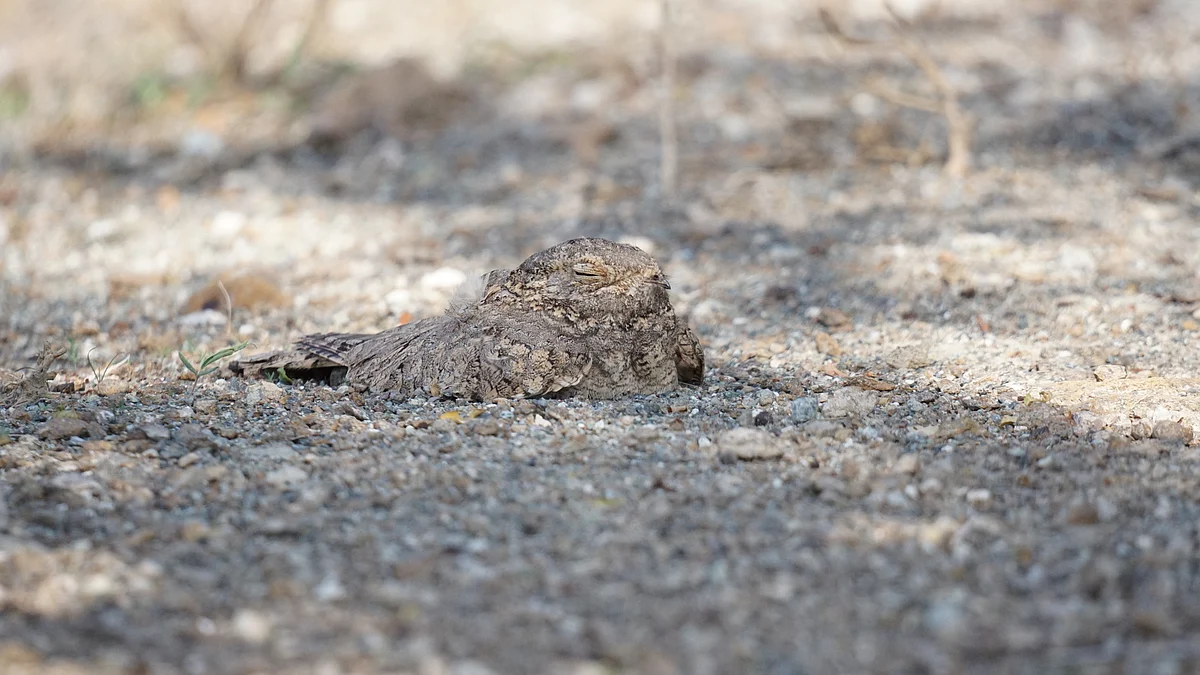
Migratory birds do not merely pass through the eastern Arabian Peninsula, but they repeatedly return to Wadi Wurayah Biosphere Reserve as part of their seasonal trips.
The reserve serves as a key natural habitat for maintaining species in arid, mountainous environments. Authorities monitor numerous birds and wildlife that rely on permanent water pools, wadis, and gravel plains within the reserve.
What's Your Reaction?