




























Digital pilot licences go live through DGCA platform
A shift towards paperless aviation credentials gathered pace as the Directorate General of Civil Aviation rolled out an Electronic Personnel Licence for commercial pilots, marking a structural change in how flight crew qualifications are issued, verified and carried. The initiative covers Airline Transport Pilot Licence holders and is designed to replace physical documents with a secure digital alternative accessible through the eGCA mobile application. Officials said the Electronic Personnel Licence, or EPL, allows pilots to store and display their credentials on smartphones and tablets, reducing reliance on printed licences that can be lost, damaged or delayed during renewals. The digital licence is issued directly by the aviation regulator after validation of training records, medical certification and flight experience already housed within the eGCA system, which has been the central portal for licensing and examinations for several years. The move aligns civil aviation oversight with global trends in digital identity management, particularly as airlines and regulators seek faster verification processes. Under the new system, the EPL carries a dynamically generated QR code that can be scanned by airlines, airport authorities and foreign regulators to confirm authenticity in real time. DGCA officials indicated that the licence is tamper-resistant and protected by multi-layer authentication linked to the pilot’s registered credentials. Paper licences give way to secure digital credentials is how the regulator internally describes the transition, emphasising both operational efficiency and security gains. According to people familiar with the rollout, the digital format also shortens turnaround time for licence issuance and endorsements, which previously depended on manual checks and physical dispatch. Pilots holding an Airline Transport Pilot Licence are the first group covered, reflecting the operational importance of captains and senior first officers in commercial aviation. DGCA plans to extend the framework to other categories, including Commercial Pilot Licence holders, aircraft maintenance engineers and cabin crew, once the system stabilises and feedback from initial users is assessed. Airline operators have welcomed the development, noting that licence verification is a routine but critical compliance task. Flight operations departments often need to validate licences at short notice for roster changes, wet leases or overseas operations. A digital licence accessible through an official app reduces administrative friction and supports faster decision-making, particularly for international deployments where foreign authorities seek immediate confirmation of credentials. The launch comes amid sustained growth in domestic and international air traffic, with fleet expansion and accelerated pilot hiring placing additional pressure on regulatory processes. Training organisations and airlines have repeatedly flagged delays in licence endorsements as a bottleneck, especially during aircraft type transitions. By integrating the EPL with existing digital records, the regulator aims to address those concerns without compromising oversight. Security has been positioned as a central feature rather than an add-on. The EPL is designed to function both online and offline, allowing pilots to present credentials even in low-connectivity environments, while ensuring that any verification attempt flags expired or suspended privileges. DGCA officials said this feature was essential for remote airfields and international operations where network access may be inconsistent. The initiative also responds to a broader push by governments and regulators to adopt digital public infrastructure. Within civil aviation, several jurisdictions have begun experimenting with electronic licences and medical certificates, though adoption has been uneven. Industry experts note that interoperability and trust between regulators remain key challenges, as foreign authorities must be confident in the issuing system’s integrity. From a compliance perspective, the electronic licence does not alter the underlying regulatory requirements. Pilots must continue to meet medical, proficiency and recency standards, and enforcement actions remain unchanged. The EPL is a format change rather than a relaxation of rules, a point DGCA officials have stressed to avoid misinterpretation within the industry. Training academies and pilot associations have sought clarity on transitional arrangements, particularly for pilots flying internationally. DGCA has indicated that the physical licence will remain valid during a defined transition period, allowing operators and foreign regulators time to familiarise themselves with the digital format. Guidance notes circulated to airlines outline verification procedures and recommend carrying both digital and physical copies during the initial phase. The article Digital pilot licences go live through DGCA platform appea
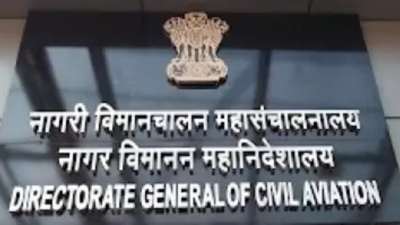
A shift towards paperless aviation credentials gathered pace as the Directorate General of Civil Aviation rolled out an Electronic Personnel Licence for commercial pilots, marking a structural change in how flight crew qualifications are issued, verified and carried. The initiative covers Airline Transport Pilot Licence holders and is designed to replace physical documents with a secure digital alternative accessible through the eGCA mobile application.
Officials said the Electronic Personnel Licence, or EPL, allows pilots to store and display their credentials on smartphones and tablets, reducing reliance on printed licences that can be lost, damaged or delayed during renewals. The digital licence is issued directly by the aviation regulator after validation of training records, medical certification and flight experience already housed within the eGCA system, which has been the central portal for licensing and examinations for several years.
The move aligns civil aviation oversight with global trends in digital identity management, particularly as airlines and regulators seek faster verification processes. Under the new system, the EPL carries a dynamically generated QR code that can be scanned by airlines, airport authorities and foreign regulators to confirm authenticity in real time. DGCA officials indicated that the licence is tamper-resistant and protected by multi-layer authentication linked to the pilot’s registered credentials.
Paper licences give way to secure digital credentials is how the regulator internally describes the transition, emphasising both operational efficiency and security gains. According to people familiar with the rollout, the digital format also shortens turnaround time for licence issuance and endorsements, which previously depended on manual checks and physical dispatch.
Pilots holding an Airline Transport Pilot Licence are the first group covered, reflecting the operational importance of captains and senior first officers in commercial aviation. DGCA plans to extend the framework to other categories, including Commercial Pilot Licence holders, aircraft maintenance engineers and cabin crew, once the system stabilises and feedback from initial users is assessed.
Airline operators have welcomed the development, noting that licence verification is a routine but critical compliance task. Flight operations departments often need to validate licences at short notice for roster changes, wet leases or overseas operations. A digital licence accessible through an official app reduces administrative friction and supports faster decision-making, particularly for international deployments where foreign authorities seek immediate confirmation of credentials.
The launch comes amid sustained growth in domestic and international air traffic, with fleet expansion and accelerated pilot hiring placing additional pressure on regulatory processes. Training organisations and airlines have repeatedly flagged delays in licence endorsements as a bottleneck, especially during aircraft type transitions. By integrating the EPL with existing digital records, the regulator aims to address those concerns without compromising oversight.
Security has been positioned as a central feature rather than an add-on. The EPL is designed to function both online and offline, allowing pilots to present credentials even in low-connectivity environments, while ensuring that any verification attempt flags expired or suspended privileges. DGCA officials said this feature was essential for remote airfields and international operations where network access may be inconsistent.
The initiative also responds to a broader push by governments and regulators to adopt digital public infrastructure. Within civil aviation, several jurisdictions have begun experimenting with electronic licences and medical certificates, though adoption has been uneven. Industry experts note that interoperability and trust between regulators remain key challenges, as foreign authorities must be confident in the issuing system’s integrity.
From a compliance perspective, the electronic licence does not alter the underlying regulatory requirements. Pilots must continue to meet medical, proficiency and recency standards, and enforcement actions remain unchanged. The EPL is a format change rather than a relaxation of rules, a point DGCA officials have stressed to avoid misinterpretation within the industry.
Training academies and pilot associations have sought clarity on transitional arrangements, particularly for pilots flying internationally. DGCA has indicated that the physical licence will remain valid during a defined transition period, allowing operators and foreign regulators time to familiarise themselves with the digital format. Guidance notes circulated to airlines outline verification procedures and recommend carrying both digital and physical copies during the initial phase.
The article Digital pilot licences go live through DGCA platform appeared first on Arabian Post.
What's Your Reaction?