















Analysis finds global headlines about UAE 'disruption' lacked data
A media analysis by Dubai-based strategic communications firm TawasulComms has found that major international outlets used headlines suggesting disruption or instability in the UAE during recent regional developments, while the articles themselves often lacked sufficient data to support the scale of those claims.The 17-page report, titled “Headlines and Reality: Narrative Framing of the UAE in Global Media,” was shared with Khaleej Times ahead of its public release. It analysed international coverage of the UAE — with particular focus on Dubai — published between February 28 and March 10, covering the period when Iranian missile and drone attacks targeted the region.Stay up to date with the latest news. Follow KT on WhatsApp channels.TawasulComms reviewed reporting from 10 major international media organizations, assessing headline language, narrative framing, and whether claims were supported by measurable indicators such as aviation data, capital flows, or real estate market activity.The analysis found that some reports relied heavily on individual accounts or analytical commentary rather than verifiable data. Headlines across multiple outlets used similar language — “shaken,” “shattered,” and “cracked” — to describe Dubai’s position, with hundreds of smaller platforms republishing these reports and amplifying the narrative.“When dramatic language appears in headlines by major international outlets and those headlines are then republished across hundreds of other platforms, a public perception can form faster than the facts themselves,” Haian Nayouf, Founder and CEO of TawasulComms, told Khaleej Times. “Global companies should be mindful of the influence such media narratives can have before making decisions.”Haian Nayouf The report identified four key findings — headline intensity often exceeded evidence presented within articles; anecdotes frequently substituted for consolidated datasets; contextual resilience indicators were inconsistently included; and narrative repetition across outlets amplified perception.Specific examples cited include one outlet’s headline claiming Dubai was “scrambling to save its reputation as a haven for the rich” and that “Dubai’s reputation for safety has been shattered,” while the same article later quoted sources saying residents “don’t feel unsafe” and described “life as normal.” Another headline predicted the UAE property sector “faces reckoning” while developers quoted within stated “nothing is on hold, everything is on track.”The analysis noted that some international coverage did not sufficiently address the UAE’s demonstrated capacity to manage crises and maintain continuity of critical institutions—capabilities shown during the Covid-19 pandemic when the country maintained airport operations, logistics networks, and economic activity despite global disruptions.TawasulComms emphasised the report does not question journalism’s role but highlights the importance of proportionality between headline language and evidentiary support, particularly when reporting on global financial hubs where perception influences investor, traveler, and corporate decisions.The report provides recommendations for companies operating in the region, including strengthening data-driven communications, making operational indicators available to journalists, engaging proactively with international media through visible spokespersons, and avoiding information gaps that allow incomplete narratives to form.UAE’s calm crisis communication reassures residents amid Iranian attacksUAE leaders's viral public appearances reassure residents during uncertain times
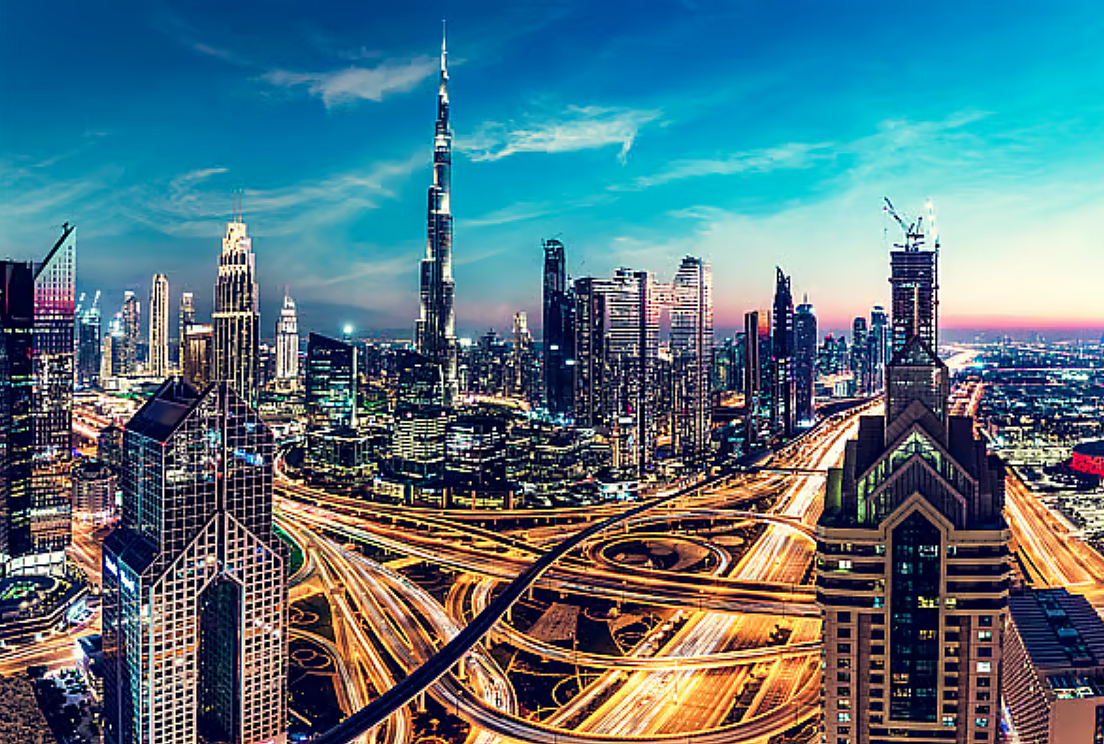
A media analysis by Dubai-based strategic communications firm TawasulComms has found that major international outlets used headlines suggesting disruption or instability in the UAE during recent regional developments, while the articles themselves often lacked sufficient data to support the scale of those claims.
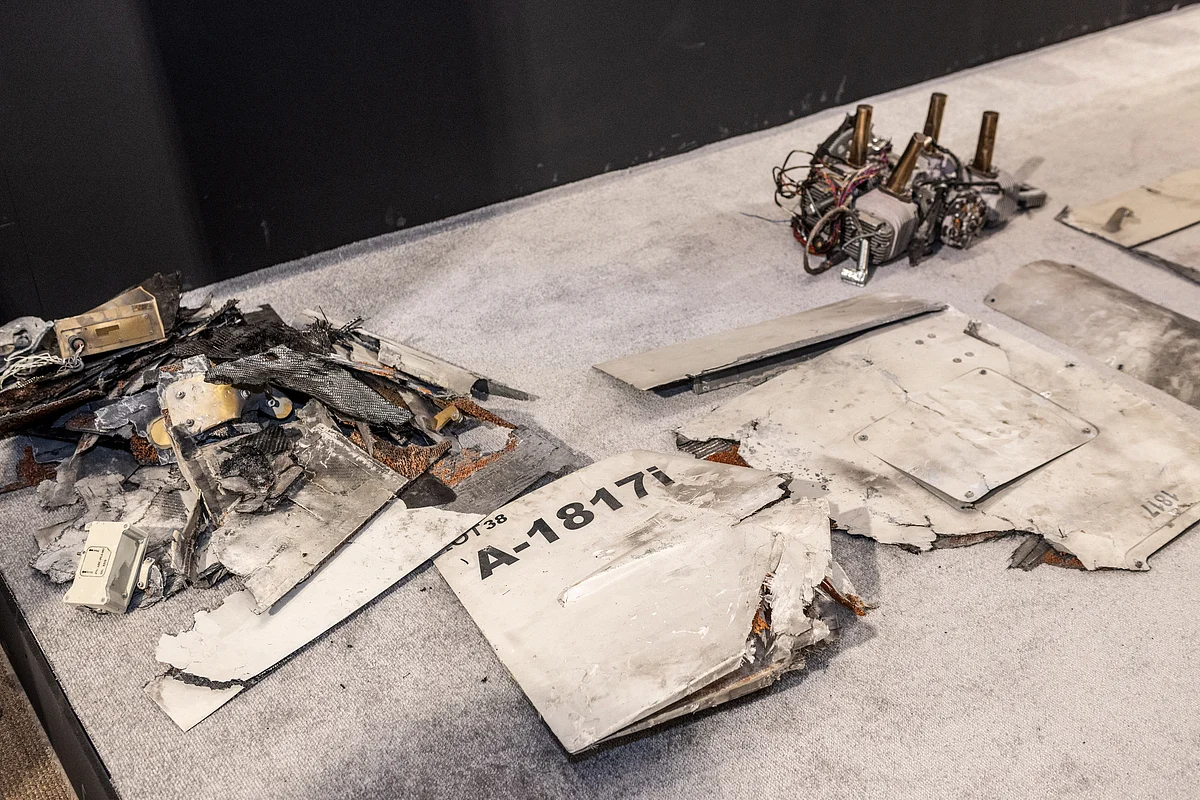
The 17-page report, titled “Headlines and Reality: Narrative Framing of the UAE in Global Media,” was shared with Khaleej Times ahead of its public release. It analysed international coverage of the UAE — with particular focus on Dubai — published between February 28 and March 10, covering the period when Iranian missile and drone attacks targeted the region.
Stay up to date with the latest news. Follow KT on WhatsApp channels.
TawasulComms reviewed reporting from 10 major international media organizations, assessing headline language, narrative framing, and whether claims were supported by measurable indicators such as aviation data, capital flows, or real estate market activity.
The analysis found that some reports relied heavily on individual accounts or analytical commentary rather than verifiable data. Headlines across multiple outlets used similar language — “shaken,” “shattered,” and “cracked” — to describe Dubai’s position, with hundreds of smaller platforms republishing these reports and amplifying the narrative.
“When dramatic language appears in headlines by major international outlets and those headlines are then republished across hundreds of other platforms, a public perception can form faster than the facts themselves,” Haian Nayouf, Founder and CEO of TawasulComms, told Khaleej Times. “Global companies should be mindful of the influence such media narratives can have before making decisions.” Haian Nayouf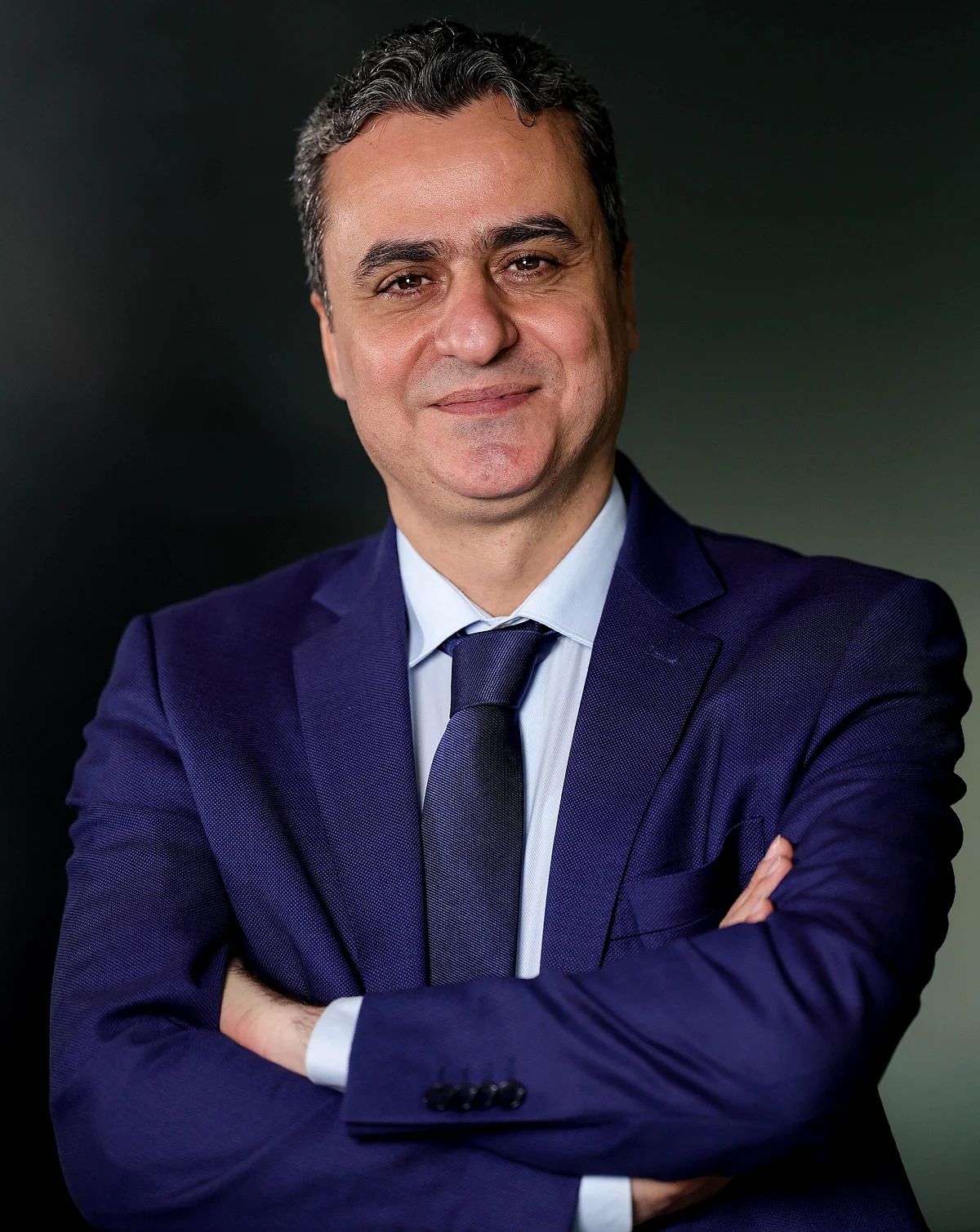
The report identified four key findings — headline intensity often exceeded evidence presented within articles; anecdotes frequently substituted for consolidated datasets; contextual resilience indicators were inconsistently included; and narrative repetition across outlets amplified perception.
Specific examples cited include one outlet’s headline claiming Dubai was “scrambling to save its reputation as a haven for the rich” and that “Dubai’s reputation for safety has been shattered,” while the same article later quoted sources saying residents “don’t feel unsafe” and described “life as normal.” Another headline predicted the UAE property sector “faces reckoning” while developers quoted within stated “nothing is on hold, everything is on track.”
The analysis noted that some international coverage did not sufficiently address the UAE’s demonstrated capacity to manage crises and maintain continuity of critical institutions—capabilities shown during the Covid-19 pandemic when the country maintained airport operations, logistics networks, and economic activity despite global disruptions.
TawasulComms emphasised the report does not question journalism’s role but highlights the importance of proportionality between headline language and evidentiary support, particularly when reporting on global financial hubs where perception influences investor, traveler, and corporate decisions.
The report provides recommendations for companies operating in the region, including strengthening data-driven communications, making operational indicators available to journalists, engaging proactively with international media through visible spokespersons, and avoiding information gaps that allow incomplete narratives to form.
What's Your Reaction?