





























Abu Dhabi courts adopt facial ID notarisation
Arabian Post Staff -Dubai Abu Dhabi has begun deploying facial recognition technology for notary transactions, positioning its judicial system at the forefront of biometric authentication in the Gulf and marking a shift away from conventional digital signatures. Abu Dhabi Judicial Department said the first phase of the project allows users to verify their identity through facial recognition when completing notarial services, removing the need for physical attendance […] The article Abu Dhabi courts adopt facial ID notarisation appeared first on Arabian Post.
Arabian Post Staff -Dubai
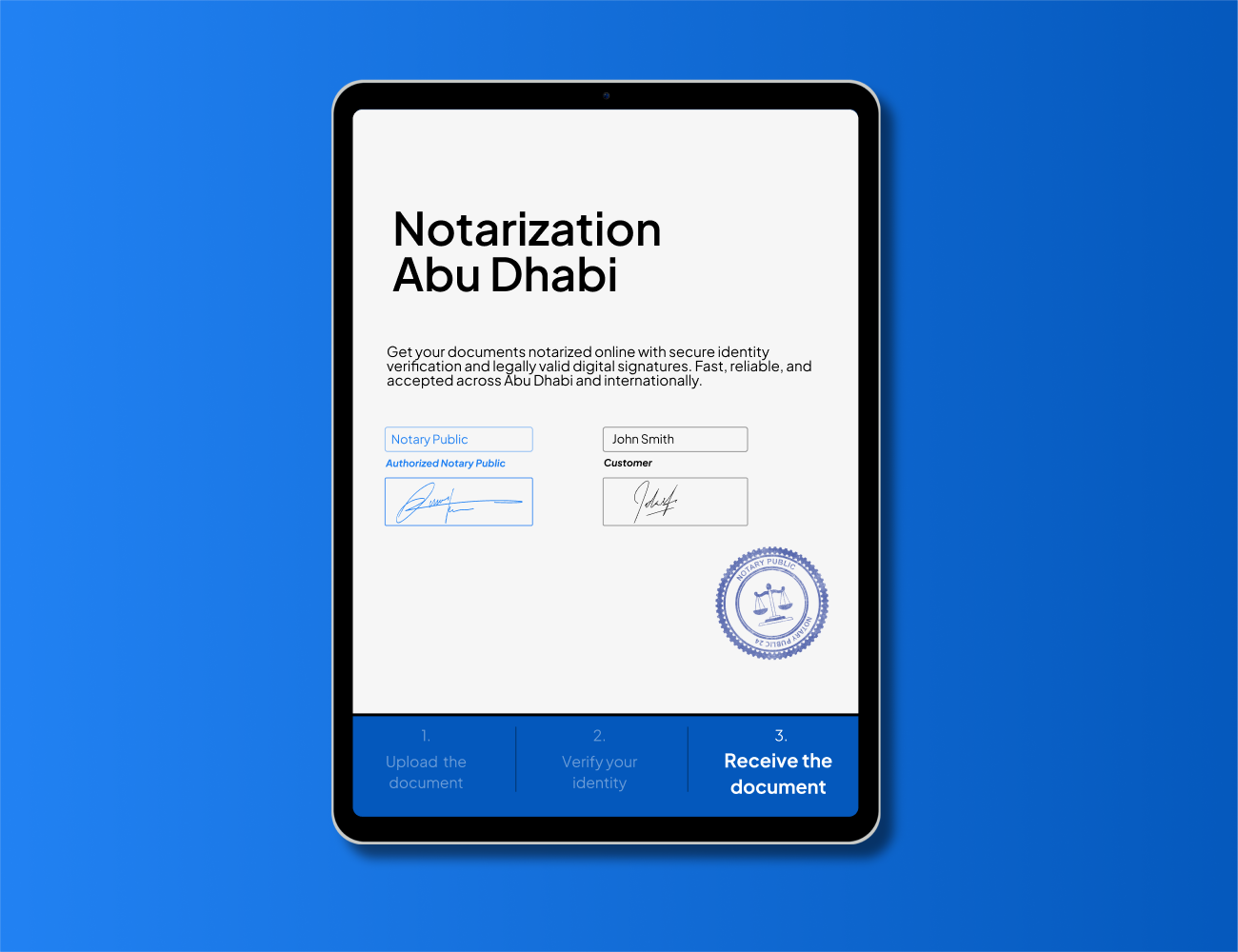
Abu Dhabi has begun deploying facial recognition technology for notary transactions, positioning its judicial system at the forefront of biometric authentication in the Gulf and marking a shift away from conventional digital signatures.
Abu Dhabi Judicial Department said the first phase of the project allows users to verify their identity through facial recognition when completing notarial services, removing the need for physical attendance or traditional e-signature tools in selected procedures. Officials described the initiative as the first of its kind by a judicial authority in the region to rely on biometric verification as an alternative to digital signatures in notarial work.
Authorities stated that the system is designed to strengthen the integrity of authentication processes while improving speed and accessibility. The rollout forms part of a broader digital transformation programme aimed at modernising court services and expanding remote access to legal procedures across the emirate.
Under the new framework, individuals seeking notary services can complete identity verification through a secure digital platform that matches live facial scans with official records. The technology is integrated with existing government databases to confirm personal data before documents are authenticated. Judicial officials indicated that the solution has undergone technical and legal evaluation to ensure compliance with domestic data protection standards and procedural law.
Senior representatives at the department said the adoption of biometric verification reflects an effort to raise accuracy and reliability while limiting the risk of impersonation or document fraud. They emphasised that facial recognition provides an additional layer of security by linking the physical presence of a person to digital records in real time.
Digital signatures have long been used in remote transactions within the United Arab Emirates, particularly during the pandemic period when remote services expanded sharply. However, judicial officials argue that biometric identification strengthens confidence in sensitive legal transactions such as power of attorney issuance, declarations and commercial agreements. By directly verifying facial features rather than relying solely on encrypted certificates, the system aims to reduce vulnerabilities associated with credential theft or misuse.
Legal practitioners in Abu Dhabi said the move reflects a growing regional trend towards biometric governance in public services. Courts in several jurisdictions worldwide have experimented with facial verification in administrative procedures, though adoption in core judicial functions remains limited. Observers note that while banks and border control authorities have used similar technology for years, integrating it into notarial processes marks a more complex legal shift because authentication standards must withstand court scrutiny.
Data security and privacy safeguards are expected to be central to the project’s long-term acceptance. Officials stated that information captured during verification is encrypted and stored in accordance with federal cybersecurity frameworks. They also indicated that the system operates within regulated channels, with oversight mechanisms intended to prevent misuse or unauthorised access.
Technology experts familiar with public sector digitisation projects in the Gulf said implementation success will depend on user confidence and technical reliability. Facial recognition systems require high accuracy rates to avoid false matches or rejections, particularly in legally binding transactions. Developers typically rely on advanced artificial intelligence models trained on diverse datasets to maintain performance across age groups and lighting conditions.
Judicial authorities stressed that the technology is being introduced in stages, allowing for performance monitoring and procedural refinement. Additional services are expected to be incorporated after evaluation of the first phase. Court administrators described the strategy as measured and structured rather than immediate full-scale adoption.
Commercial law specialists believe the innovation may benefit corporate clients and overseas investors who require rapid authentication without travelling to the emirate. Remote notarisation has become increasingly important for cross-border transactions, especially in property, finance and corporate restructuring matters. Enhanced digital infrastructure could reinforce Abu Dhabi’s position as a legal and commercial hub in the region.
Officials characterised the initiative as part of a wider ambition to create a fully integrated digital justice ecosystem. Over the past several years, courts in the emirate have expanded online filing systems, virtual hearings and automated case management. The new biometric layer represents what one official described as Courts introduce biometric notary verification, signalling a shift towards identity systems that rely on physical attributes rather than passwords or tokens.
Civil liberties advocates in other jurisdictions have often raised concerns about facial recognition relating to consent and data retention. While no public opposition has emerged locally, analysts note that transparency about how biometric data is processed and retained will be critical in sustaining trust. Legal frameworks governing personal data protection in the United Arab Emirates provide guidelines on lawful processing and security obligations for entities handling sensitive information.
The article Abu Dhabi courts adopt facial ID notarisation appeared first on Arabian Post.
What's Your Reaction?