




























UAE studies undersea power link with India
UAE’s federal utility Etihad Water and Electricity has invited eligible consulting firms to register interest in a tender for a techno-economic feasibility study on a proposed undersea power interconnector linking the Emirates with India, signalling a fresh push to test the commercial and technical case for cross-border electricity trade across the Arabian Sea. The utility said the study is intended to produce a comprehensive, bankable feasibility package […] The article UAE studies undersea power link with India appeared first on Arabian Post.
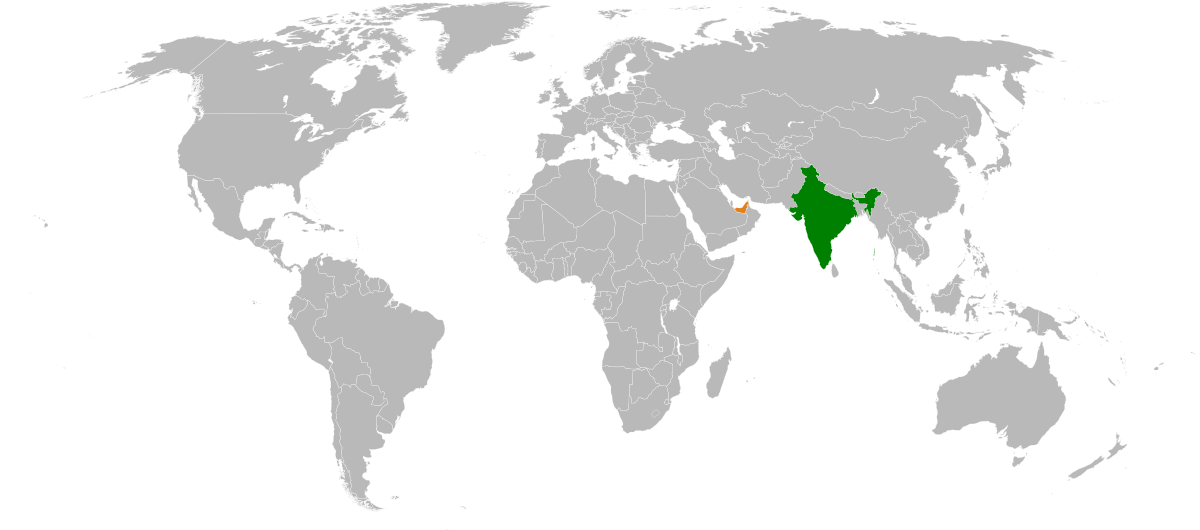
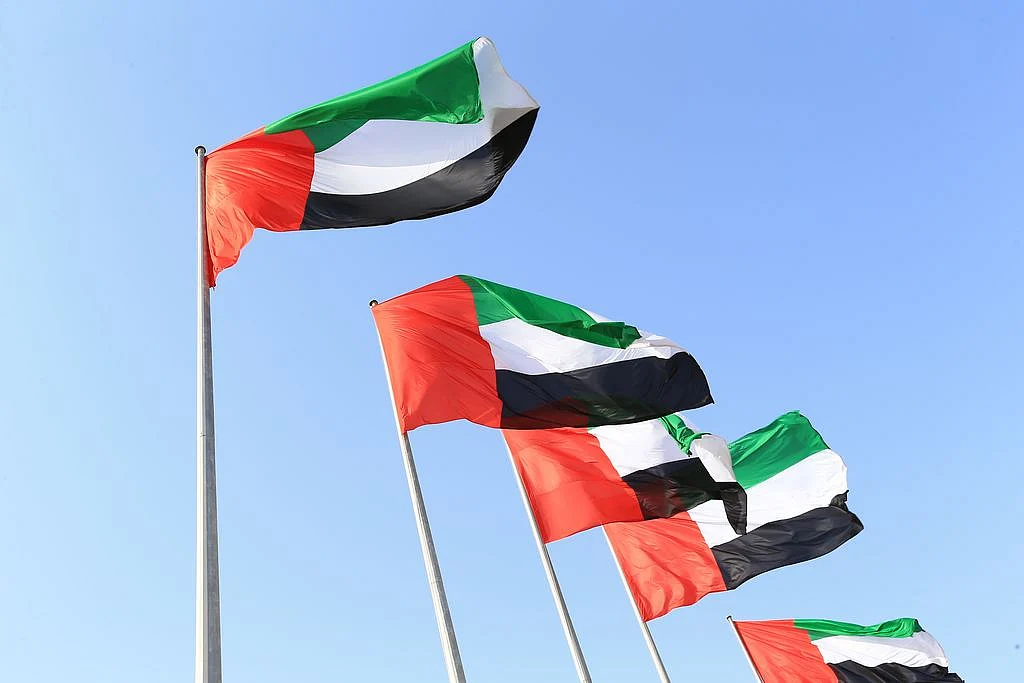
UAE’s federal utility Etihad Water and Electricity has invited eligible consulting firms to register interest in a tender for a techno-economic feasibility study on a proposed undersea power interconnector linking the Emirates with India, signalling a fresh push to test the commercial and technical case for cross-border electricity trade across the Arabian Sea.
The utility said the study is intended to produce a comprehensive, bankable feasibility package assessing the long-term technical, economic and market viability of exchanging power between the two countries. The scope includes physical route surveys for the submarine cable, analysis of multiple energy-exchange scenarios, cost–benefit modelling, grid-impact assessments on both sides and optimisation of interconnector capacity through sensitivity studies.
The invitation places the project among a growing class of ultra-long undersea power links being examined globally as governments look to balance energy security with decarbonisation goals. For the UAE, which has invested heavily in utility-scale solar and nuclear capacity, an interconnector could provide an additional outlet for surplus power during off-peak periods while supporting grid stability. For India, whose electricity demand continues to expand alongside a rapid build-out of renewables, the concept offers optionality for peak management and diversification of supply.
People familiar with the planning say the feasibility work will need to address some of the most complex engineering challenges attempted in high-voltage direct current transmission, including cable length, seabed conditions, fault management and converter-station design. The Arabian Sea route would require detailed marine surveys to assess depth profiles, seismic considerations and shipping corridors, alongside environmental impact screening to mitigate risks to sensitive habitats.
Market design and regulatory alignment will be equally central to the study. Analysts note that cross-border power trade requires clarity on pricing mechanisms, settlement frameworks, congestion management and grid codes, as well as agreements on operational control and dispute resolution. Differences in tariff structures and market liberalisation levels between the two systems will have to be reconciled to make the interconnector bankable for investors.
Cost will be a decisive factor. Global benchmarks show that long-distance undersea HVDC projects can run into several billion dollars depending on capacity and routing. The tender documents indicate that the consultants will be expected to model a range of capacities and phasing options, testing sensitivity to capital costs, utilisation rates and power price differentials. Financing structures, including potential public-private participation, are also expected to be examined.
The initiative aligns with a broader trend among Gulf utilities and policymakers to explore regional and intercontinental grid links as complements to domestic energy transition strategies. Similar concepts have been studied linking North Africa with southern Europe and connecting renewable-rich regions to demand centres via subsea cables. While only a handful have progressed to construction, advances in cable technology and converter efficiency have improved technical feasibility.
Industry executives say the UAE–India proposal stands out for its scale and geopolitical significance, given the deepening economic ties between the two countries across energy, infrastructure and trade. Electricity interconnection, if realised, would add a new dimension to that relationship, moving beyond fuel supply and investment into real-time energy exchange.
The article UAE studies undersea power link with India appeared first on Arabian Post.
What's Your Reaction?