





























UAE says Algeria air pact exit will not disrupt flights
Arabian Post Staff -Dubai Flight operations between the United Arab Emirates and Algeria are expected to continue without disruption despite Algiers initiating steps to terminate a bilateral air services agreement, according to the UAE’s civil aviation regulator. The General Civil Aviation Authority said the move would have no immediate impact on scheduled services, underscoring that flights will operate under existing arrangements while regulatory processes unfold. The assurance […] The article UAE says Algeria air pact exit will not disrupt flights appeared first on Arabian Post.
Arabian Post Staff -Dubai
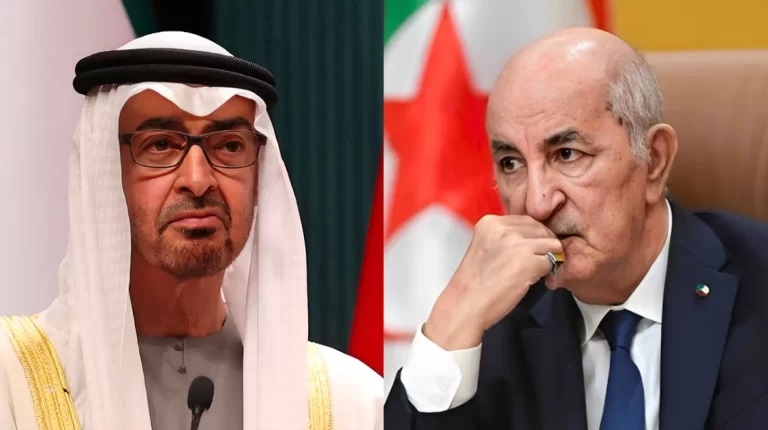
Flight operations between the United Arab Emirates and Algeria are expected to continue without disruption despite Algiers initiating steps to terminate a bilateral air services agreement, according to the UAE’s civil aviation regulator. The General Civil Aviation Authority said the move would have no immediate impact on scheduled services, underscoring that flights will operate under existing arrangements while regulatory processes unfold.
The assurance followed an announcement from Algeria that it had begun procedures to cancel the air services agreement signed in Abu Dhabi in 2013. That accord has governed traffic rights, capacity, designated carriers and commercial terms for air links between the two countries for more than a decade, providing the legal framework for passenger and cargo services.
Officials in Abu Dhabi characterised the Algerian notification as part of a formal legal process rather than an abrupt operational change. Under standard international aviation practice, bilateral air service agreements typically include notice periods and transitional provisions, allowing carriers time to adjust and regulators to negotiate interim arrangements if required. The UAE regulator indicated that such provisions were in place, enabling flights to continue as scheduled for the time being.
Air connectivity between the two countries has expanded steadily since the agreement was signed, driven by business travel, tourism flows and a growing Algerian diaspora in the Gulf. Carriers have used the pact to operate direct services linking Algiers with Dubai and Abu Dhabi, while also supporting onward connections through Gulf hubs to Asia and Australasia. Cargo operators have benefited from rights that facilitate the movement of perishables and manufactured goods.
Algeria’s decision to initiate termination procedures has prompted scrutiny within the aviation industry, particularly given the broader context of how states recalibrate bilateral agreements to reflect evolving policy priorities. Governments periodically review air service accords to adjust capacity limits, revise commercial terms or respond to shifts in diplomatic and economic relations. Termination does not necessarily signal a long-term breakdown, as it can also be a precursor to renegotiation.
Industry analysts note that Algeria has, over time, reassessed several aviation agreements as it seeks to balance the interests of its national carrier with market liberalisation. Air Algérie has faced competitive pressure from foreign airlines operating through hubs that offer extensive global connectivity. Revisiting bilateral terms can be a way to protect market share or reset conditions seen as unfavourable.
From the UAE perspective, aviation remains a cornerstone of economic diversification, with Dubai and Abu Dhabi positioning themselves as global transit centres. Maintaining uninterrupted air links is critical for tourism, trade and investment, and regulators have generally favoured stability and dialogue when bilateral issues arise. The GCAA’s statement signalled confidence that existing services would be preserved during discussions with Algerian counterparts.
Legal experts point out that under the Chicago Convention framework, bilateral air service agreements coexist with broader multilateral rules but remain the primary instruments governing market access. When a party gives notice of termination, the agreement typically remains in force for a defined period, often one year, unless both sides agree otherwise. During this window, states can negotiate amendments or a replacement accord.
Airlines operating on the route are understood to be monitoring the situation closely but have not announced schedule changes. For passengers, the regulator’s message was intended to provide reassurance that bookings and planned travel would not be affected in the near term. Travel agents in the Gulf said demand remained steady, with no spike in cancellations following the announcement.
The episode also highlights the increasingly dynamic nature of aviation diplomacy, as countries weigh liberalisation against strategic considerations. Open skies policies have expanded connectivity worldwide, but many states continue to manage access carefully, particularly where national carriers play a significant economic and political role.
The article UAE says Algeria air pact exit will not disrupt flights appeared first on Arabian Post.
What's Your Reaction?