



















UAE pioneers laser pulses to boost rainfall
Arabian Post Staff -Dubai United Arab Emirates is advancing an ambitious programme to use laser pulses in clouds in an effort to increase rainfall, positioning the desert nation at the forefront of experimental weather modification as it seeks long-term water security. Scientists at the Technology Innovation Institute, the applied research arm of Abu Dhabi’s Advanced Technology Research Council, are testing ground-based laser systems designed to influence the […] The article UAE pioneers laser pulses to boost rainfall appeared first on Arabian Post.

Arabian Post Staff -Dubai
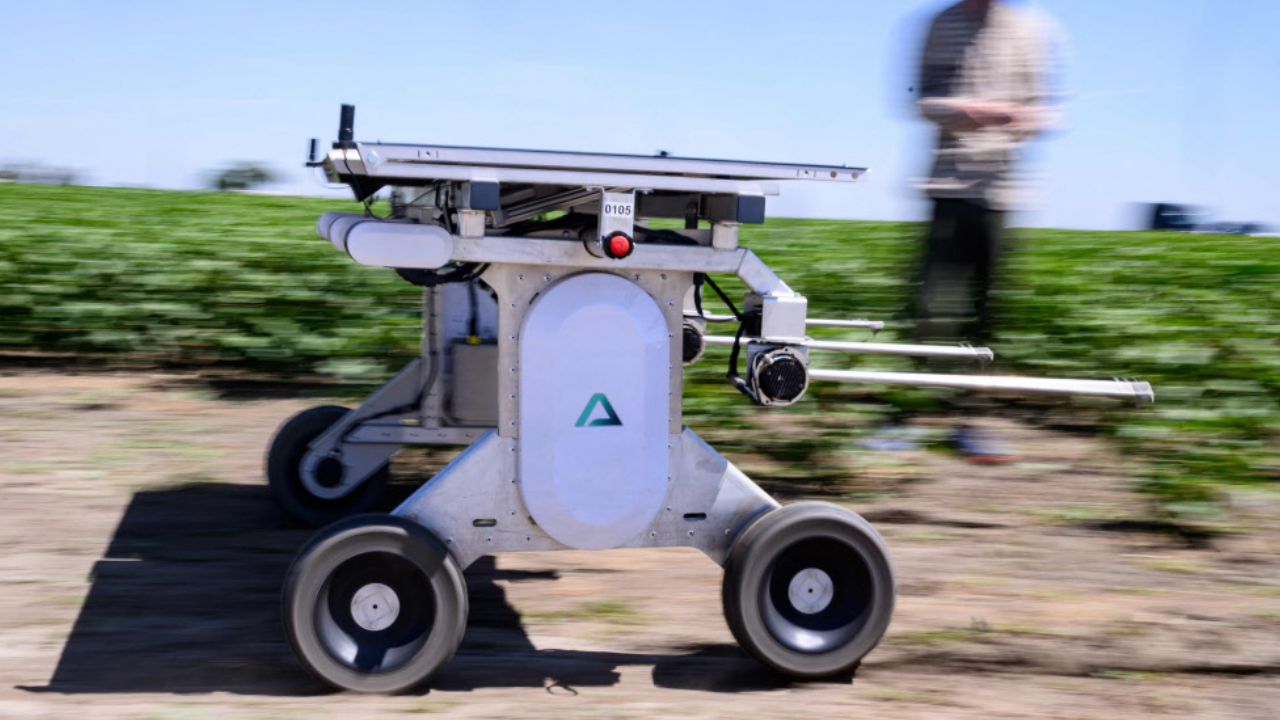
Scientists at the Technology Innovation Institute, the applied research arm of Abu Dhabi’s Advanced Technology Research Council, are testing ground-based laser systems designed to influence the electrical properties of clouds. The goal is to encourage water droplets to merge and grow heavy enough to fall as rain, offering a potential complement to the country’s established cloud seeding operations.
Officials familiar with the programme say the research remains at an experimental stage, but early field trials have demonstrated that laser-induced electrical effects can alter microphysical processes inside clouds. Unlike traditional cloud seeding, which disperses salt or silver iodide particles from aircraft, the laser approach does not rely on chemical agents and can be deployed from the ground.
Water scarcity is a strategic concern for the federation, where annual rainfall averages less than 100 millimetres and summer temperatures frequently exceed 45C. Desalination provides the bulk of drinking water, but the process is energy-intensive and carries environmental costs linked to brine discharge and greenhouse gas emissions. Authorities have invested heavily in alternative water management strategies, including treated wastewater reuse, aquifer recharge and advanced meteorological research.
The Technology Innovation Institute’s laser initiative builds on years of investment in atmospheric science under the UAE Research Programme for Rain Enhancement Science. Since its launch in 2015, the programme has awarded grants to international research teams exploring novel techniques to increase precipitation efficiency in arid climates. Projects have ranged from nanomaterials for cloud seeding to drone-based dispersal systems and enhanced radar analytics.
Laser-based rain stimulation centres on manipulating the electric charges naturally present in clouds. Researchers argue that by generating controlled bursts of laser energy, they can influence the movement and interaction of charged droplets, encouraging coalescence without introducing foreign particles. Laboratory experiments have shown that electrical forces play a significant role in droplet growth, but translating those findings to dynamic, large-scale cloud systems poses technical challenges.
Experts in atmospheric physics caution that while the concept is scientifically plausible, demonstrating consistent, measurable increases in rainfall under real-world conditions is complex. Cloud systems are influenced by temperature gradients, humidity, wind shear and topography, making it difficult to isolate the impact of any single intervention. Independent climatologists note that robust statistical analysis over multiple seasons will be required to establish efficacy.
Officials overseeing the project have indicated that field tests are being conducted in coordination with the National Center of Meteorology, which manages operational cloud seeding flights across the country. The centre has reported hundreds of seeding missions annually, particularly during the winter convective season. Data from radar, satellite imagery and ground-based sensors are being used to compare cloud behaviour during laser trials with baseline conditions.
Beyond domestic needs, the initiative reflects a broader strategy to position the federation as a hub for climate and water innovation. The country has pledged to reach net zero emissions by 2050 and has expanded investment in clean energy, including large-scale solar projects and nuclear power generation. Water resilience forms a key pillar of that agenda, particularly as climate change is projected to intensify heatwaves and alter precipitation patterns across the Middle East.
Internationally, weather modification remains a subject of debate. Cloud seeding has been practised for decades in countries including the United States, China and Australia, yet scientific consensus on its overall effectiveness varies. Critics argue that results are often modest and hard to quantify, while proponents contend that even incremental gains can be valuable in water-stressed regions.
Legal and ethical considerations also arise. Weather systems do not adhere to political boundaries, and altering precipitation in one area could theoretically affect rainfall distribution elsewhere. UAE authorities have stated that all research complies with international conventions and is conducted transparently within established scientific frameworks.
Researchers involved in the laser project emphasise that the technology is not intended to create rain from clear skies but to enhance precipitation potential in existing clouds. They argue that the method could reduce reliance on chemical seeding agents and lower operational costs if proven effective at scale. However, scaling up would require durable, energy-efficient laser systems capable of operating in harsh desert conditions.
Funding for the initiative underscores the government’s willingness to support high-risk, high-reward research. The Advanced Technology Research Council has prioritised artificial intelligence, quantum technologies and advanced materials alongside climate-focused innovation, seeking to diversify the economy beyond hydrocarbons.
The article UAE pioneers laser pulses to boost rainfall appeared first on Arabian Post.
What's Your Reaction?