
















Trump threatens 25% tariffs for Iran trade
President Donald Trump said on Monday that any country conducting business with Iran would face a 25% tariff on trade with the United States, signalling a sharp escalation in Washington’s economic pressure as the White House weighs its response to unrest inside Iran marked by widespread anti-government protests. The warning was delivered via a post on Truth Social, where Trump said the measure would take effect immediately […] The article Trump threatens 25% tariffs for Iran trade appeared first on Arabian Post.
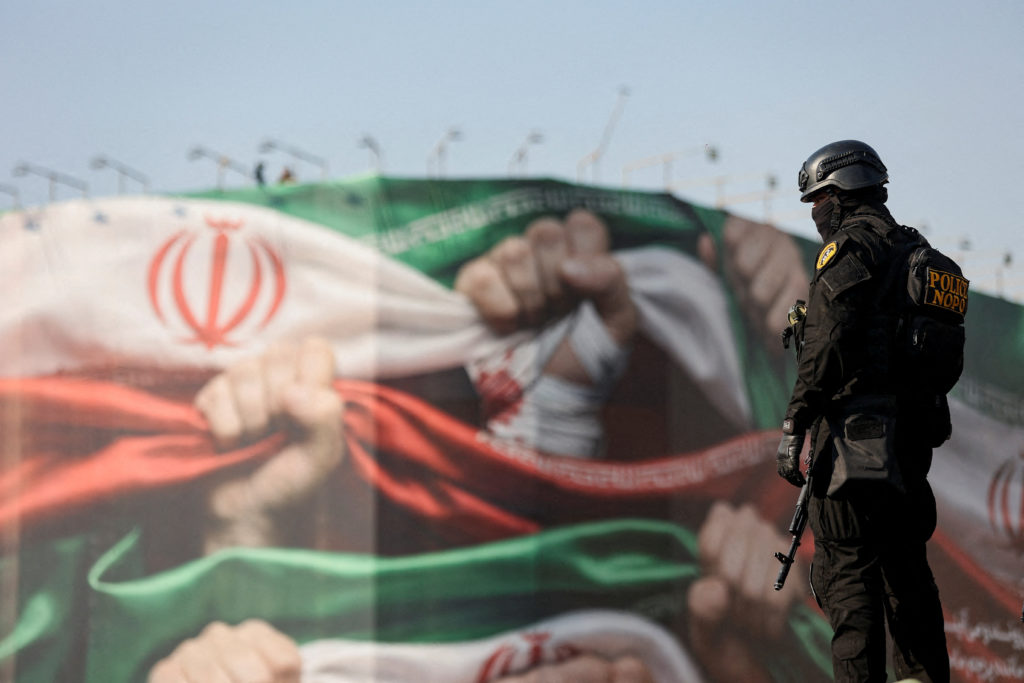
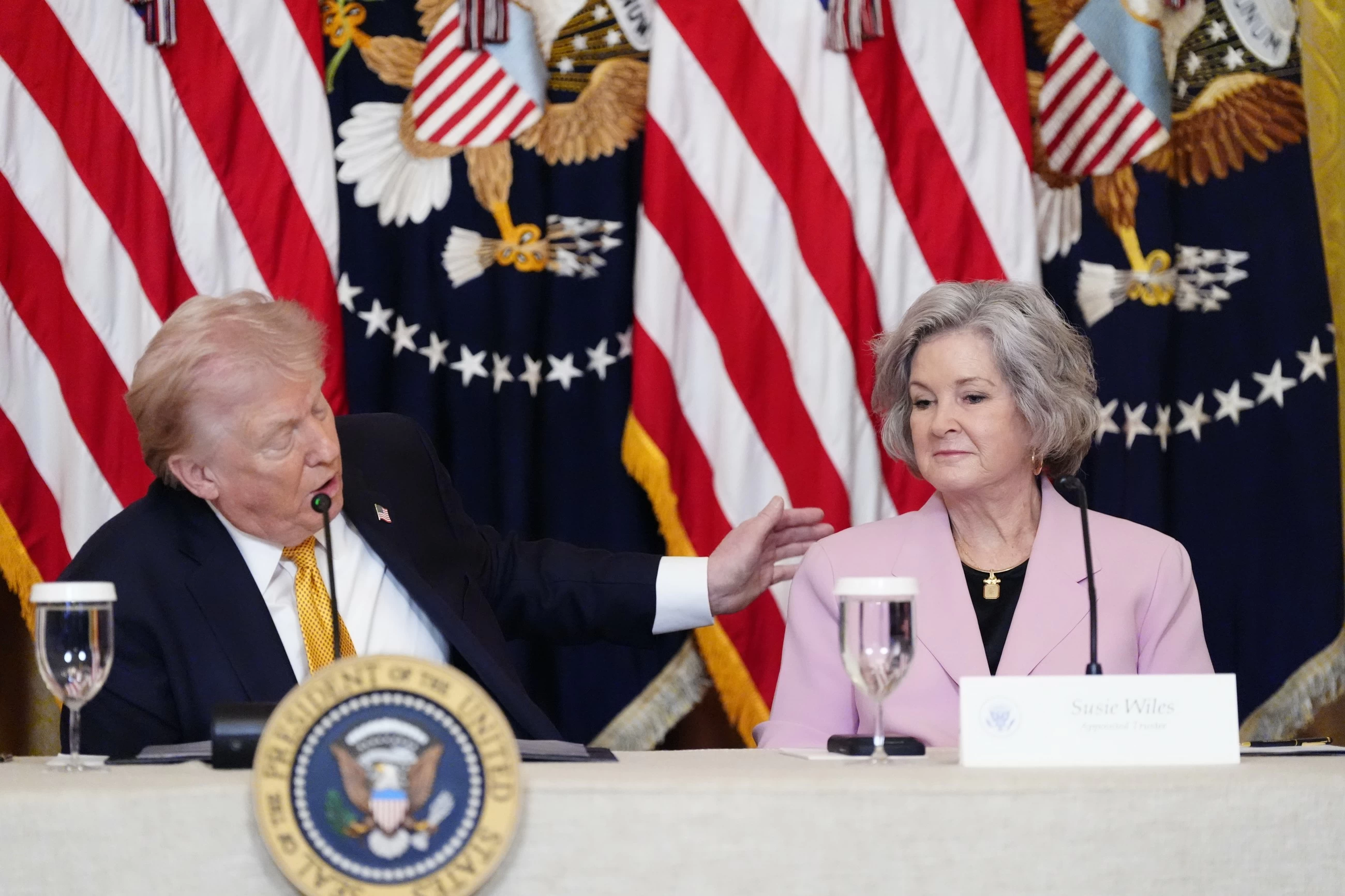
President Donald Trump said on Monday that any country conducting business with Iran would face a 25% tariff on trade with the United States, signalling a sharp escalation in Washington’s economic pressure as the White House weighs its response to unrest inside Iran marked by widespread anti-government protests.
The warning was delivered via a post on Truth Social, where Trump said the measure would take effect immediately and apply to “any and all business” conducted with the United States by countries trading with the Islamic Republic. Under U. S. law, tariffs are paid by American importers, meaning the immediate financial impact would fall on U. S. companies sourcing goods from affected countries, with costs often passed on to consumers.
Iran has been under extensive U. S. sanctions for years, targeting its oil exports, banking system and access to global markets. Trump’s statement goes further by threatening secondary penalties on third countries, a tool Washington has used in the past but one that often provokes diplomatic friction with allies and major trading partners. The proposed tariff rate, if implemented broadly, would be among the most punitive trade measures applied outside a formal sanctions regime.
The announcement comes as Washington assesses how to respond to protests that have spread across several Iranian cities, described by officials and observers as the largest wave of anti-government demonstrations in years. The unrest has added urgency to internal U. S. deliberations over whether to tighten economic pressure or pursue other forms of leverage, including diplomatic isolation and enforcement actions against sanctions evasion networks.
Countries most exposed to such a move would include those with ongoing commercial ties to Iran in energy, shipping, construction and consumer goods. While Iran’s crude oil exports remain constrained by existing sanctions, sales continue to flow to a limited number of buyers through complex logistics and pricing arrangements. A blanket tariff threat could complicate those channels by raising the cost of doing business with the United States for any government or company perceived to be trading with Tehran.
Trade lawyers note that a uniform 25% tariff tied to third-country dealings would test the limits of U. S. trade law and could trigger challenges at the World Trade Organization, particularly if applied indiscriminately. Previous uses of secondary sanctions have prompted pushback from partners who argue such measures amount to extraterritorial enforcement of domestic law.
Market participants reacted cautiously, with analysts warning that the policy, if enacted, could disrupt supply chains already strained by geopolitical risk. U. S. importers would need clarity on how “doing business with Iran” is defined, whether exemptions would be granted for humanitarian goods, and how compliance would be monitored. Past sanctions frameworks have included carve-outs for food and medicine, though implementation has often been uneven.
Within Washington, the statement underscores Trump’s preference for maximal economic pressure as a response to Tehran’s actions and internal instability. During his earlier tenure, the United States withdrew from the nuclear agreement and imposed sweeping sanctions, a strategy supporters said constrained Iran’s finances while critics argued it hardened positions on both sides and narrowed diplomatic options.
For Iran, the renewed threat reinforces an already constrained economic environment marked by inflation, currency pressure and limited access to foreign investment. Officials in Tehran have long argued that sanctions exacerbate domestic hardship, a claim that has gained renewed attention amid the protests. The government has not yet publicly responded to the tariff threat, though past statements suggest it would frame the move as economic coercion.
The article Trump threatens 25% tariffs for Iran trade appeared first on Arabian Post.
What's Your Reaction?