























Saudi spending drives Middle East gaming surge
Arabian Post Staff -Dubai Saudi Arabia has emerged as the largest gaming market in the Middle East, accounting for about $1 billion of the region’s $2.52 billion consumer spending on video games, according to industry estimates compiled from market trackers and regional regulators. The scale of spending, combined with the highest average revenue per user in the region, underscores a structural shift in digital consumption driven by […] The article Saudi spending drives Middle East gaming surge appeared first on Arabian Post.

Arabian Post Staff -Dubai
Saudi Arabia has emerged as the largest gaming market in the Middle East, accounting for about $1 billion of the region’s $2.52 billion consumer spending on video games, according to industry estimates compiled from market trackers and regional regulators. The scale of spending, combined with the highest average revenue per user in the region, underscores a structural shift in digital consumption driven by demographics, income levels and state-backed investment in entertainment.
Spending in the kingdom now represents close to 40 per cent of all gaming expenditure across the Middle East and North Africa, placing it well ahead of the United Arab Emirates and Egypt in value terms. Industry analysts attribute the lead to a young, digitally native population, strong purchasing power and a regulatory environment that has moved rapidly to legitimise and promote gaming as part of a broader creative economy.
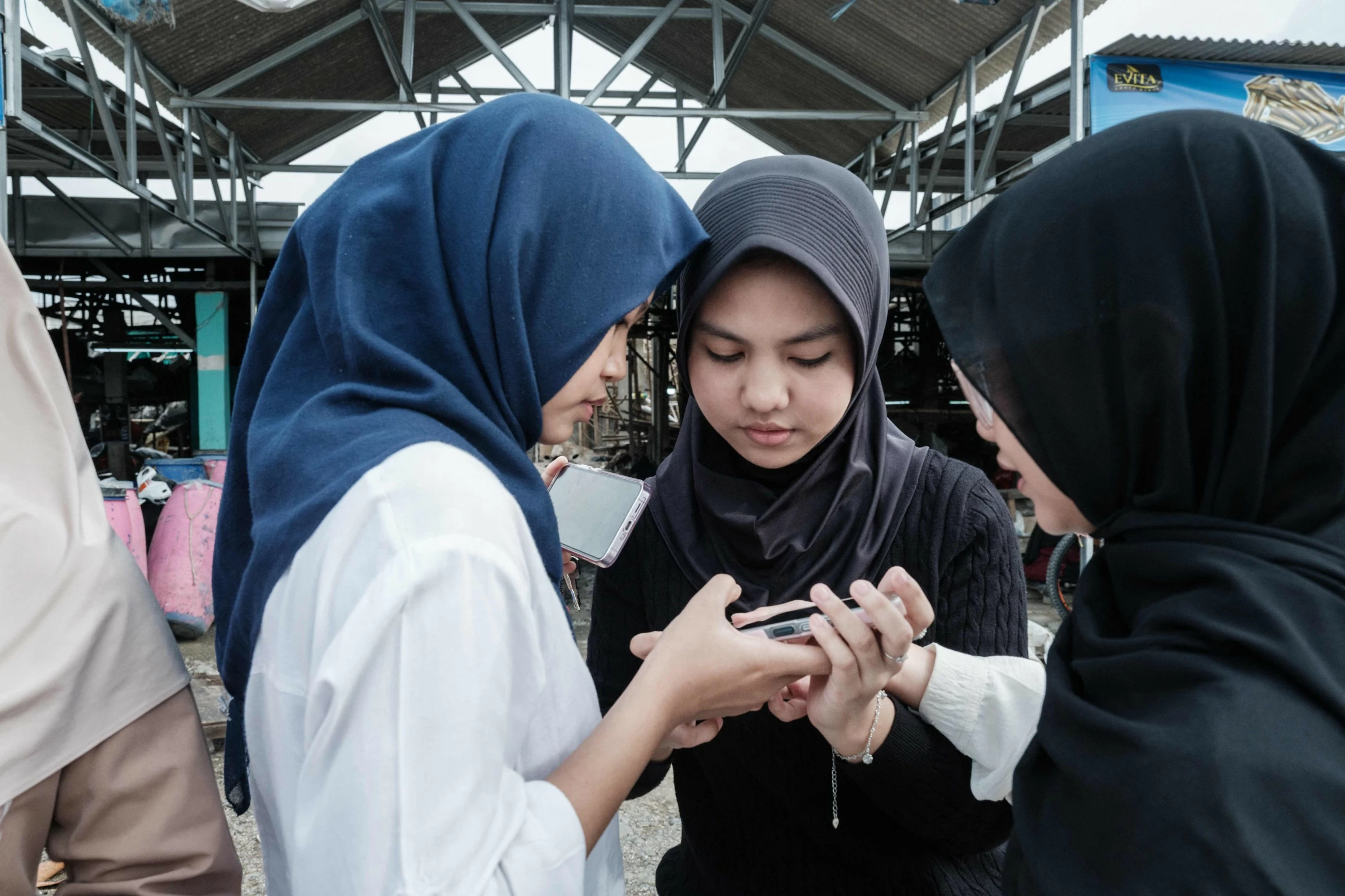
More than two-thirds of Saudi Arabia’s population is under the age of 35, a cohort that spends heavily on console, PC and mobile games. High smartphone penetration and widespread access to high-speed internet have accelerated the shift towards mobile and online gaming, while console gaming remains popular, supported by strong retail networks and an expanding esports culture.
Average revenue per user in Saudi Arabia is estimated to be the highest in the Middle East, reflecting both higher disposable incomes and a greater willingness to pay for premium titles, downloadable content and in-game purchases. This contrasts with several neighbouring markets where growth is driven more by free-to-play models with lower monetisation.
Government policy has played a decisive role in shaping the market. The kingdom’s Vision 2030 strategy identifies gaming and esports as priority sectors for diversification away from hydrocarbons. Savvy Games Group, backed by the Public Investment Fund, has committed tens of billions of dollars to global gaming investments, studio acquisitions and the development of domestic capabilities. These moves are intended not only to generate financial returns but also to build local intellectual property, create jobs and position Riyadh as a regional gaming hub.
The impact is already visible. International publishers have increased their focus on the Saudi market, localising content, expanding Arabic-language support and tailoring monetisation strategies to local preferences. Global esports tournaments hosted in Riyadh and Jeddah have drawn large audiences, while purpose-built gaming and esports venues are under development as part of wider entertainment zones.
Across the wider Middle East, total gaming spending of $2.52 billion reflects steady growth despite global pressures on consumer budgets. Mobile gaming continues to dominate in terms of user numbers, particularly in Egypt and parts of North Africa, where lower entry costs drive mass adoption. The UAE remains a key market for premium console and PC gaming, supported by a diverse expatriate population and a mature retail and digital payments ecosystem.
Saudi Arabia’s dominance, however, is reshaping regional dynamics. Developers and publishers increasingly view the kingdom as the anchor market for Middle East launches, using its scale and spending power to justify deeper investment in localisation and marketing. This has knock-on effects for neighbouring countries, which benefit from content and infrastructure built initially for Saudi audiences.
Challenges remain. Regulatory frameworks around content ratings, monetisation mechanics and data protection continue to evolve, requiring close coordination between publishers and authorities. There is also an ongoing debate within the industry about balancing rapid commercialisation with the development of sustainable local talent pipelines, particularly in game design, programming and creative direction.
The article Saudi spending drives Middle East gaming surge appeared first on Arabian Post.
What's Your Reaction?