
















Trump rebuts Pentagon concerns over Iran
Arabian Post Staff -Dubai President Donald Trump dismissed reports that the Pentagon harbours concerns about the feasibility of a prolonged military campaign against Iran, declaring that he alone would decide on any course of action while reiterating his preference for a negotiated settlement. “Everything that has been written about a potential war with Iran has been written incorrectly, and purposefully so,” Trump wrote on social media […] The article Trump rebuts Pentagon concerns over Iran appeared first on Arabian Post.
Arabian Post Staff -Dubai
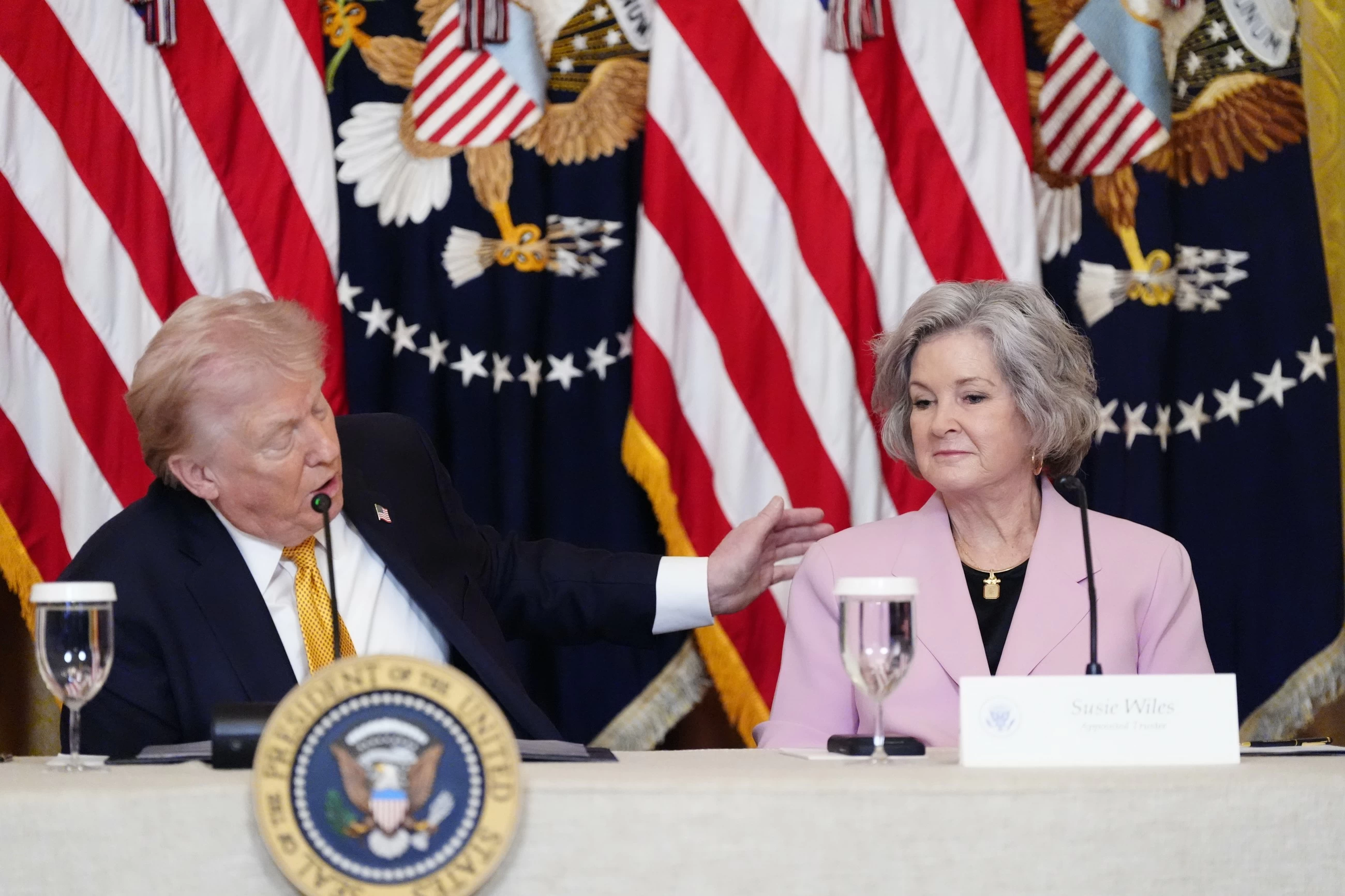
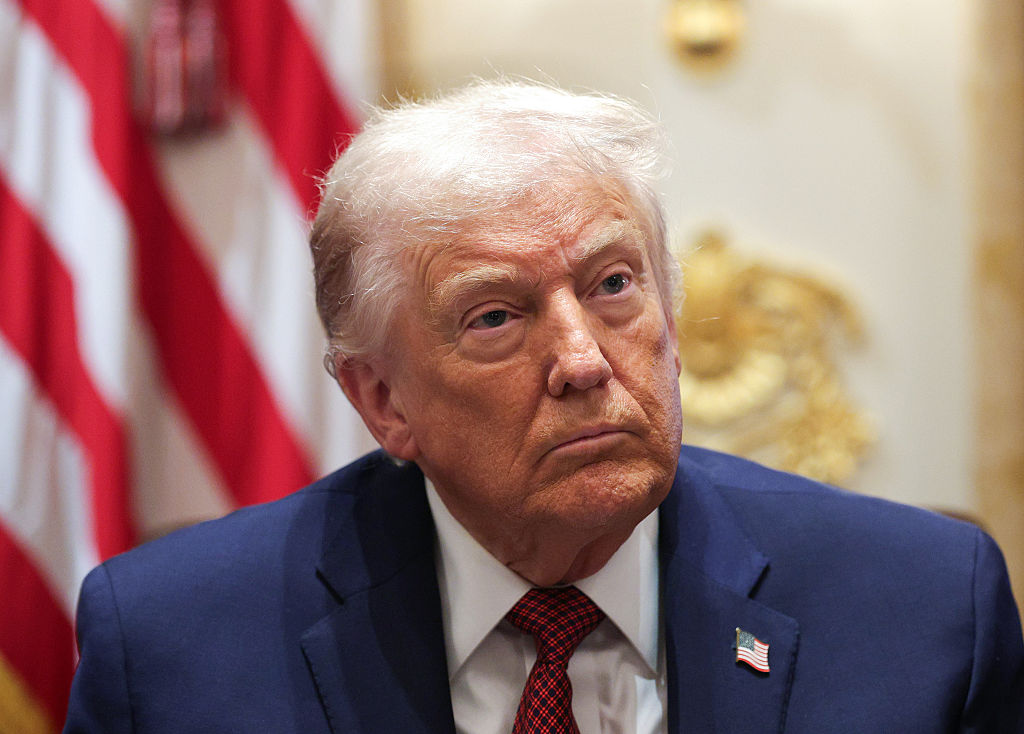
President Donald Trump dismissed reports that the Pentagon harbours concerns about the feasibility of a prolonged military campaign against Iran, declaring that he alone would decide on any course of action while reiterating his preference for a negotiated settlement.
“Everything that has been written about a potential war with Iran has been written incorrectly, and purposefully so,” Trump wrote on social media on Monday. “I am the one that makes the decision, I would rather have a deal than not but, if we don’t make a deal, it will be a very bad day for that country and, very sadly, its people.”
His remarks follow media accounts suggesting that senior defence officials had raised questions about the costs, regional fallout and operational challenges of an extended conflict with Tehran. Trump’s response signals a determination to project unity and authority over national security policy at a time of heightened tensions in the Middle East.
The United States and Iran have endured a volatile relationship spanning decades, punctuated by sanctions, proxy confrontations and diplomatic breakdowns. The 2015 nuclear agreement, formally known as the Joint Comprehensive Plan of Action, sought to curb Tehran’s nuclear programme in exchange for sanctions relief. Washington withdrew from the accord during Trump’s first term, reimposing sweeping economic measures. Efforts under the Biden administration to revive the pact stalled amid disagreements over verification, sanctions and Iran’s expanding nuclear activities.
Since then, Iran has increased uranium enrichment beyond limits set under the 2015 deal, according to international inspectors, fuelling concerns in Washington and among regional allies about its nuclear threshold status. Tehran insists its programme is for civilian energy purposes and denies seeking nuclear weapons. The absence of a comprehensive agreement has deepened mistrust and narrowed diplomatic channels.
Defence analysts note that any sustained military campaign against Iran would pose substantial strategic and logistical challenges. Iran’s geography, sizeable population and network of allied militias across Iraq, Syria, Lebanon and Yemen complicate conventional planning. The Strait of Hormuz, a critical artery for global oil shipments, would be vulnerable to disruption, potentially triggering spikes in energy prices and broader economic instability.
Senior officials at the Pentagon have historically emphasised contingency planning rather than signalling imminent action. The United States maintains a significant military presence in the Gulf, including naval assets and air bases, designed to deter aggression and reassure partners such as Saudi Arabia, the United Arab Emirates and Israel. Public acknowledgement of internal deliberations is rare, but reports of caution within defence circles are consistent with longstanding assessments that a full-scale conflict with Iran would carry unpredictable consequences.
Trump’s assertion that he would prefer a deal underscores the enduring role of diplomacy, even amid combative rhetoric. During his earlier presidency, he oscillated between threatening force and inviting negotiations without preconditions. Iranian leaders, including Supreme Leader Ayatollah Ali Khamenei and President Ebrahim Raisi before his death in 2024, repeatedly expressed scepticism about Washington’s reliability, citing the withdrawal from the nuclear agreement as evidence of shifting policy.
Regional dynamics have evolved since the height of the “maximum pressure” campaign. Iran and Saudi Arabia restored diplomatic relations in a China-brokered accord in 2023, easing some bilateral tensions. However, flashpoints persist, including Israeli operations targeting Iranian-linked assets in Syria and the ongoing conflict in Gaza, which has inflamed sentiment across the region. Armed groups aligned with Tehran have launched attacks on US personnel in Iraq and Syria, prompting retaliatory strikes by Washington.
Energy markets remain sensitive to developments between Washington and Tehran. Crude prices have fluctuated in response to geopolitical signals, reflecting concerns over supply disruptions. The United States, now a leading oil producer, has greater resilience than in previous decades, yet global markets remain interconnected. European and Asian economies would likely feel the impact of any sustained escalation.
Congressional reaction to Trump’s comments has been measured but attentive. Lawmakers from both parties have previously called for consultation before significant military action, invoking constitutional provisions that vest war powers with Congress. Any move towards a broader conflict would almost certainly prompt debate over authorisation, funding and long-term objectives.
The article Trump rebuts Pentagon concerns over Iran appeared first on Arabian Post.
What's Your Reaction?