

















Tehran reports headway in US nuclear talks
Iran has signalled progress in indirect negotiations with the United States over its nuclear programme, days after heightened tensions in the Gulf led to a partial disruption of traffic through the Strait of Hormuz, a critical artery for global energy supplies. Officials in Tehran said discussions aimed at easing sanctions and placing constraints on uranium enrichment had moved forward, describing the latest round of contacts as “constructive”. […] The article Tehran reports headway in US nuclear talks appeared first on Arabian Post.

Iran has signalled progress in indirect negotiations with the United States over its nuclear programme, days after heightened tensions in the Gulf led to a partial disruption of traffic through the Strait of Hormuz, a critical artery for global energy supplies.
Officials in Tehran said discussions aimed at easing sanctions and placing constraints on uranium enrichment had moved forward, describing the latest round of contacts as “constructive”. The talks, conducted through intermediaries in the Gulf region and Europe, follow months of diplomatic manoeuvring to prevent further escalation after maritime security incidents unsettled shipping lanes.
The Strait of Hormuz, through which roughly a fifth of the world’s oil consumption passes each day, experienced temporary navigational advisories and rerouting of some tankers after security concerns intensified. Maritime authorities reported that while the waterway was not fully closed, heightened military activity and warnings from Iran’s Revolutionary Guard prompted caution among commercial operators. Oil prices rose briefly in response, reflecting the market’s sensitivity to any disruption in the narrow channel linking the Persian Gulf to the Arabian Sea.
Tehran’s latest comments on nuclear diplomacy appear designed to calm both regional and economic anxieties. Foreign ministry spokesperson Nasser Kanaani said progress had been made on “technical understandings” relating to uranium enrichment levels and access for international inspectors. He did not provide specifics but indicated that humanitarian and financial issues were also under discussion.
Washington has maintained that any relief from sanctions would depend on verifiable steps by Iran to curb enrichment activities that have advanced well beyond the limits set by the 2015 nuclear accord, formally known as the Joint Comprehensive Plan of Action. Since the United States withdrew from that agreement in 2018 under then president Donald Trump, Iran has steadily expanded its nuclear programme, enriching uranium to levels approaching weapons-grade purity, according to reports by the International Atomic Energy Agency.
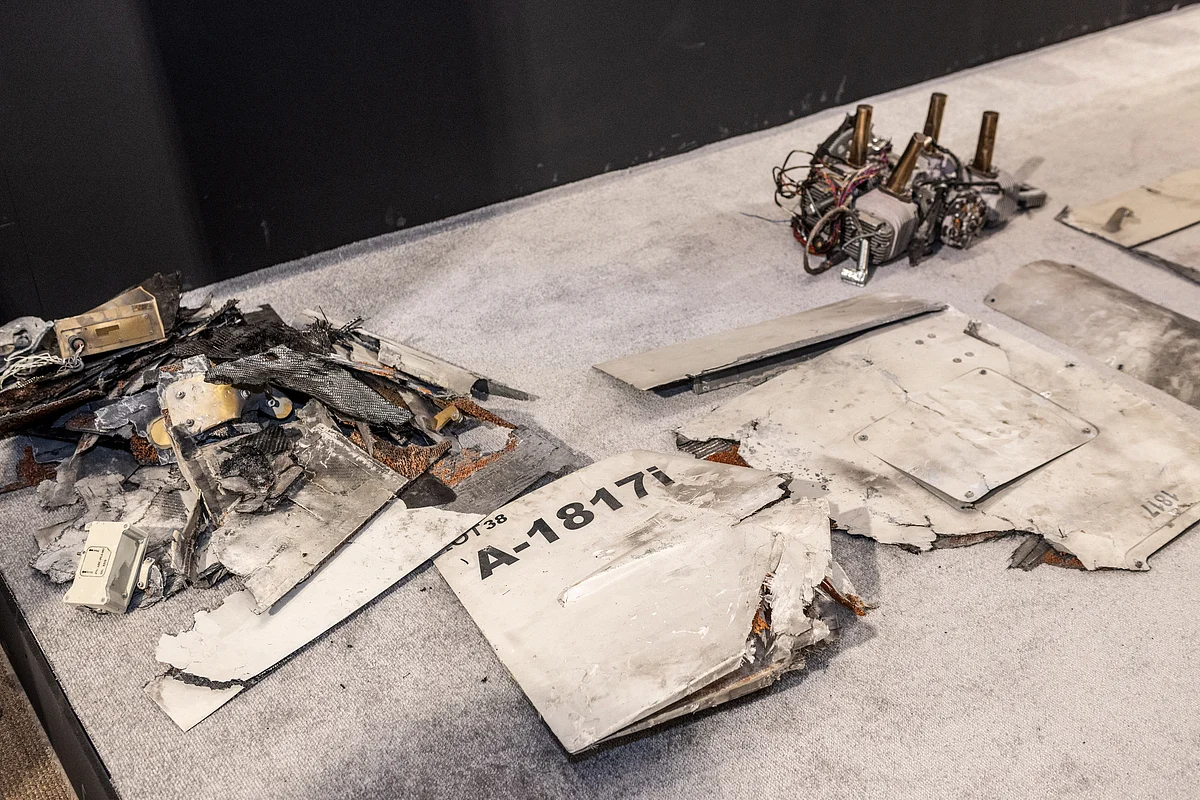
President Joe Biden’s administration has sought to prevent Iran from acquiring a nuclear weapon while avoiding a broader regional conflict. Officials in Washington have said they remain open to diplomacy but have also imposed new sanctions targeting individuals and entities linked to Iran’s missile and drone programmes. The White House has not publicly confirmed the scope of the latest discussions but has acknowledged indirect contacts through regional partners.
The partial disruption in the Strait of Hormuz underscored the strategic leverage Iran holds over global energy markets. Analysts note that while a full closure would likely provoke an international response, even limited interference can influence oil prices and shipping insurance costs. Energy-importing nations in Asia and Europe are closely monitoring developments, wary of supply shocks at a time when global markets remain volatile.
Regional actors have also stepped up diplomatic efforts. Oman and Qatar have historically played mediating roles between Tehran and Washington, facilitating prisoner exchanges and confidence-building measures. European powers that were original signatories to the 2015 accord — Britain, France and Germany — have urged both sides to return to compliance with nuclear restrictions, warning that continued escalation could trigger the reimposition of United Nations sanctions under the so-called snapback mechanism.
Within Iran, economic pressures continue to shape the political calculus. Sanctions have constrained oil exports, limited access to international banking systems and contributed to currency instability. Inflation remains high, affecting household purchasing power. Hardline factions have argued that resistance rather than compromise yields leverage, while more pragmatic voices contend that sanctions relief is essential for economic recovery.
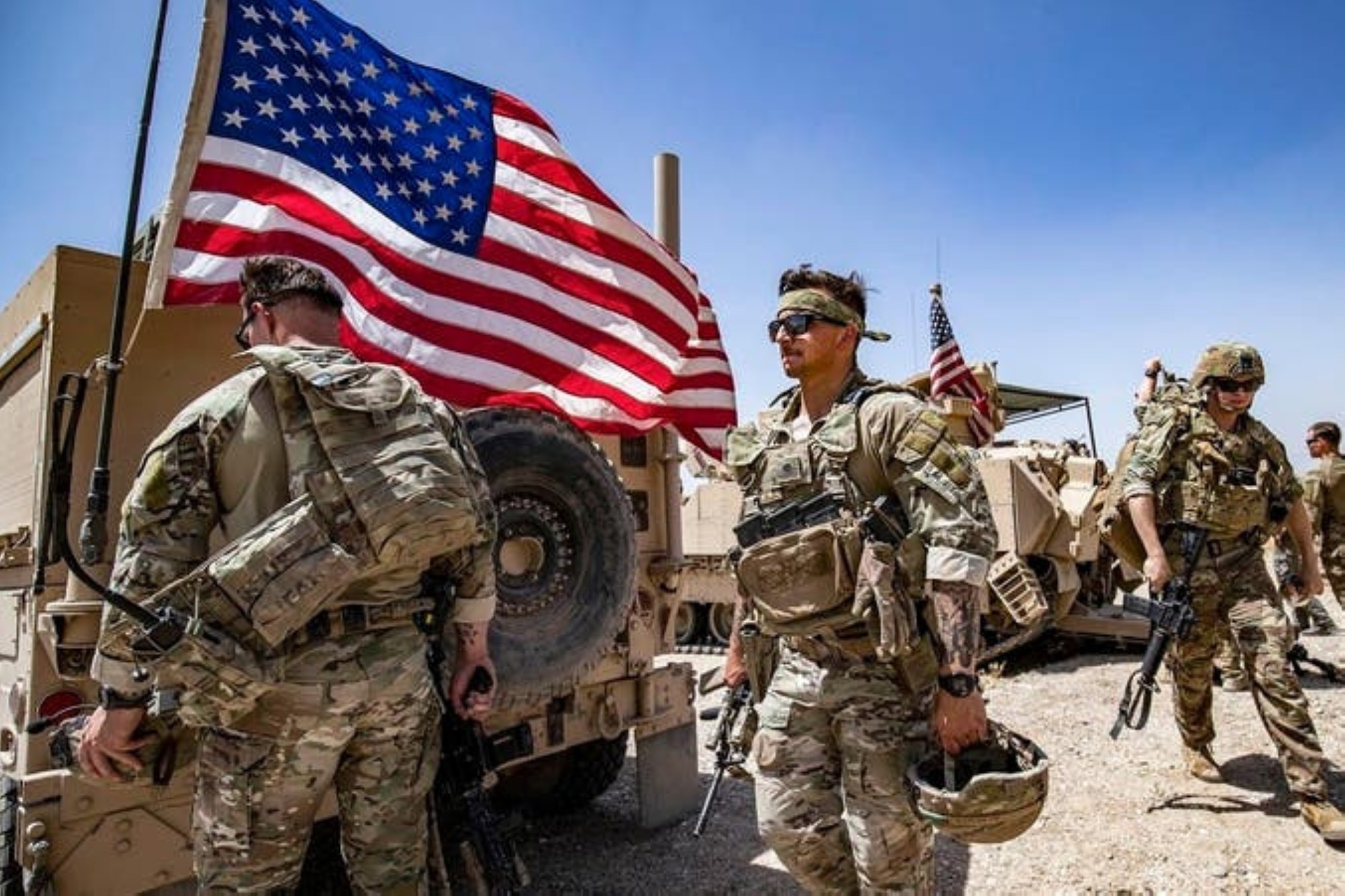
Military tensions in the Gulf have periodically flared over the past year, including seizures of tankers and drone incidents. The United States maintains a naval presence in the region, working with allied states to secure shipping routes. Iran insists its actions are defensive and linked to enforcement of maritime laws, though Western governments have described some incidents as destabilising.
Diplomatic observers say that even incremental agreements — such as caps on enrichment or expanded inspections — could reduce the risk of miscalculation. Any broader revival of the 2015 framework would require complex sequencing of sanctions relief and nuclear rollbacks, a process complicated by domestic politics in both countries and the approach of electoral cycles.
Israel, which views Iran’s nuclear ambitions as an existential threat, has reiterated that it reserves the right to act independently. Prime Minister Benjamin Netanyahu has repeatedly warned against agreements he considers insufficiently stringent. Gulf Arab states, while wary of Iran’s regional influence, have also engaged in cautious rapprochement with Tehran, reflecting shifting geopolitical alignments.
The article Tehran reports headway in US nuclear talks appeared first on Arabian Post.
What's Your Reaction?