Sheikh Maktoum reviews FTA’s development plans, directs continued expansion of AI-enabled services
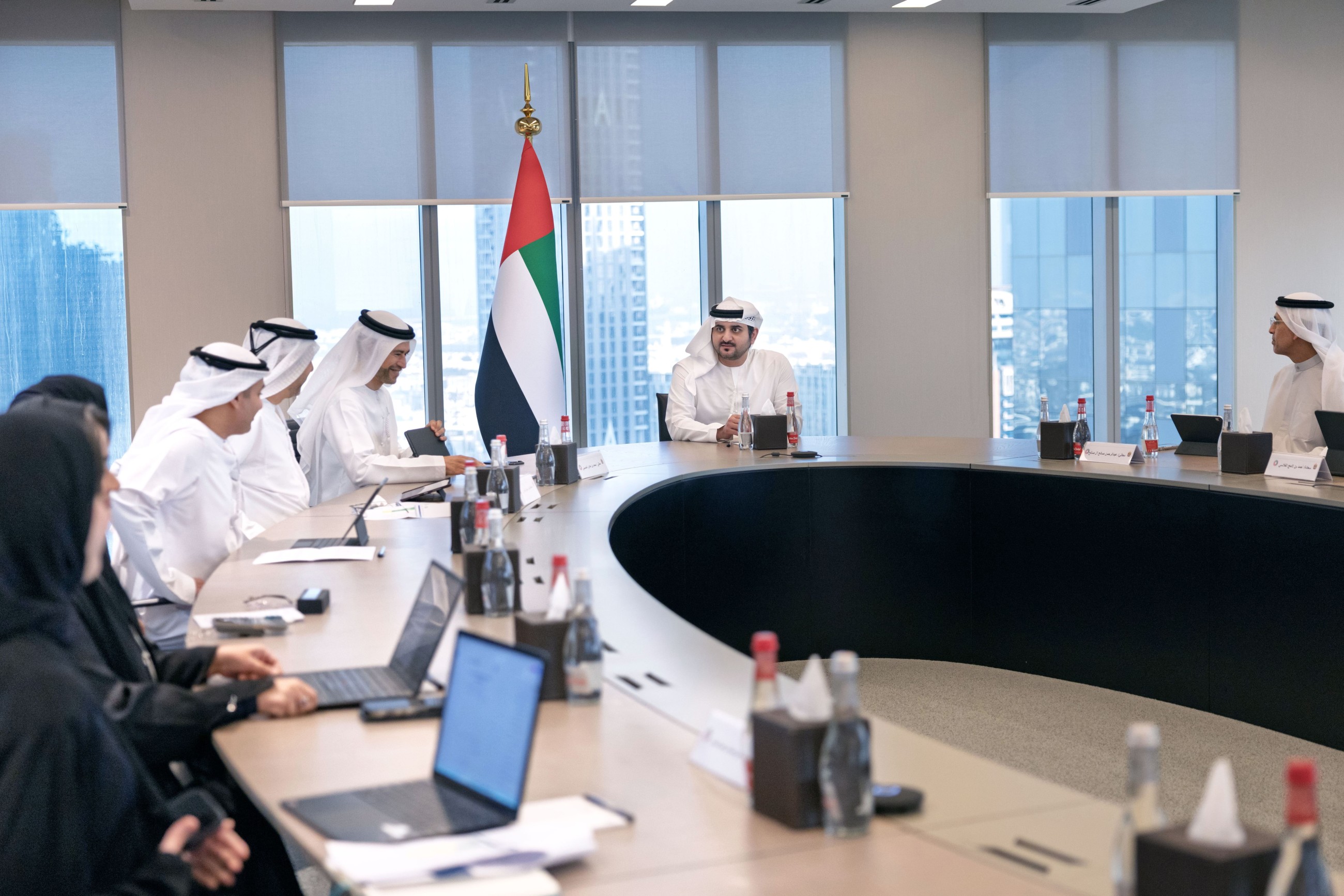
Sheikh Maktoum Bin Mohammed Bin Rashid Al Maktoum, First Deputy Ruler of Dubai, Deputy Prime Minister, Minister of Finance and Chairman of the Board of Directors of the Federal Tax Authority (FTA), has chaired a meeting of the authority’s Board of Directors.During the meeting, Sheikh Maktoum reviewed the latest developments in the FTA’s plans to further enhance its operational systems and services, expand digital transformation, adopt highly efficient business models, and deliver proactive services that contribute to the continuous improvement of quality of life.These efforts are undertaken in line with the directives of the leadership to strengthen the role of the tax system in supporting financial sustainability and reinforcing the UAE’s global competitiveness.The meeting also reviewed the authority’s Artificial Intelligence strategy. Sheikh Maktoum directed the expanded adoption of AI technologies to further enhance efficiency and streamline procedures through AI-enabled tax services.Sheikh Maktoum was also briefed on the authority’s performance results and indicators over the recent period, as well as its operational and development plans for the next phase.He commended the authority’s sustained high performance levels and its effective role in contributing to the implementation of national economic diversification policies, through the management and collection of federal taxes in accordance with international best practices.A report on the achievements of the FTA and updates on ongoing projects was presented during the meeting. The report indicated that the number of Corporate Tax registrants has increased to approximately 710,000, while the number of Value Added Tax (VAT) registrants has risen to approximately 573,000. The number of Excise Tax registrants reached 1,767, and the number of registered tax agents stood at 899.The report further noted that the authority approved applications from UAE nationals for the refund of VAT incurred on the construction of newly built homes, which cumulatively amounted to Dhs94.44 million through December 2025 and January 2026.It also highlighted the authority’s continued achievement of outstanding results in reducing red tape, having implemented 75 initiatives during the second cycle of the Digital Zero Bureaucracy Programme, compared to 29 initiatives in the first cycle. All initiatives have been uploaded to the Zero Bureaucracy platform, along with more than 1,500 supporting documents covering the completed initiatives.The meeting also reviewed the latest developments relating to the integrated tax system, EmaraTax, and electronic linking procedures between the authority’s systems and relevant entities, aimed at further facilitating voluntary tax compliance.Updates were also presented on the implementation of the Domestic Minimum Top-Up Tax Law (Pillar Two project), and the e-Invoicing project, being implemented in cooperation between the Ministry of Finance and the FTA as part of the government’s efforts to adopt digital innovation.The e-Invoicing project contributes to strengthening voluntary tax compliance through secure and efficient electronic mechanisms, by simplifying, standardising, and automating invoicing processes via an electronic system aligned with international best practices. The system enables real-time exchange of invoices and facilitates smoother tax reporting to the FTA, thereby further enhancing customer experience.WAM
Sheikh Maktoum Bin Mohammed Bin Rashid Al Maktoum, First Deputy Ruler of Dubai, Deputy Prime Minister, Minister of Finance and Chairman of the Board of Directors of the Federal Tax Authority (FTA), has chaired a meeting of the authority’s Board of Directors.During the meeting, Sheikh Maktoum reviewed the latest developments in the FTA’s plans to further enhance its operational systems and services, expand digital transformation, adopt highly efficient business models, and deliver proactive services that contribute to the continuous improvement of quality of life.These efforts are undertaken in line with the directives of the leadership to strengthen the role of the tax system in supporting financial sustainability and reinforcing the UAE’s global competitiveness.The meeting also reviewed the authority’s Artificial Intelligence strategy. Sheikh Maktoum directed the expanded adoption of AI technologies to further enhance efficiency and streamline procedures through AI-enabled tax services.Sheikh Maktoum was also briefed on the authority’s performance results and indicators over the recent period, as well as its operational and development plans for the next phase.He commended the authority’s sustained high performance levels and its effective role in contributing to the implementation of national economic diversification policies, through the management and collection of federal taxes in accordance with international best practices.A report on the achievements of the FTA and updates on ongoing projects was presented during the meeting. The report indicated that the number of Corporate Tax registrants has increased to approximately 710,000, while the number of Value Added Tax (VAT) registrants has risen to approximately 573,000. The number of Excise Tax registrants reached 1,767, and the number of registered tax agents stood at 899.The report further noted that the authority approved applications from UAE nationals for the refund of VAT incurred on the construction of newly built homes, which cumulatively amounted to Dhs94.44 million through December 2025 and January 2026.It also highlighted the authority’s continued achievement of outstanding results in reducing red tape, having implemented 75 initiatives during the second cycle of the Digital Zero Bureaucracy Programme, compared to 29 initiatives in the first cycle. All initiatives have been uploaded to the Zero Bureaucracy platform, along with more than 1,500 supporting documents covering the completed initiatives.The meeting also reviewed the latest developments relating to the integrated tax system, EmaraTax, and electronic linking procedures between the authority’s systems and relevant entities, aimed at further facilitating voluntary tax compliance.Updates were also presented on the implementation of the Domestic Minimum Top-Up Tax Law (Pillar Two project), and the e-Invoicing project, being implemented in cooperation between the Ministry of Finance and the FTA as part of the government’s efforts to adopt digital innovation.The e-Invoicing project contributes to strengthening voluntary tax compliance through secure and efficient electronic mechanisms, by simplifying, standardising, and automating invoicing processes via an electronic system aligned with international best practices. The system enables real-time exchange of invoices and facilitates smoother tax reporting to the FTA, thereby further enhancing customer experience.WAM
What's Your Reaction?








DDP Editor
Admin managing news updates, RSS feed curation, and PR content publishing. Focused on timely, accurate, and impactful information delivery.