






















RAKBANK cleared for dirham stablecoin push
RAKBANK has secured in-principle approval from the Central Bank of the UAE to issue a dirham-backed stablecoin, marking a significant step in the country’s effort to anchor digital finance within a regulated banking framework. The approval places the Ras Al Khaimah-based lender among a widening circle of UAE financial institutions seeking to deploy tokenised money for payments, settlements and treasury use as demand accelerates across regional and […] The article RAKBANK cleared for dirham stablecoin push appeared first on Arabian Post.

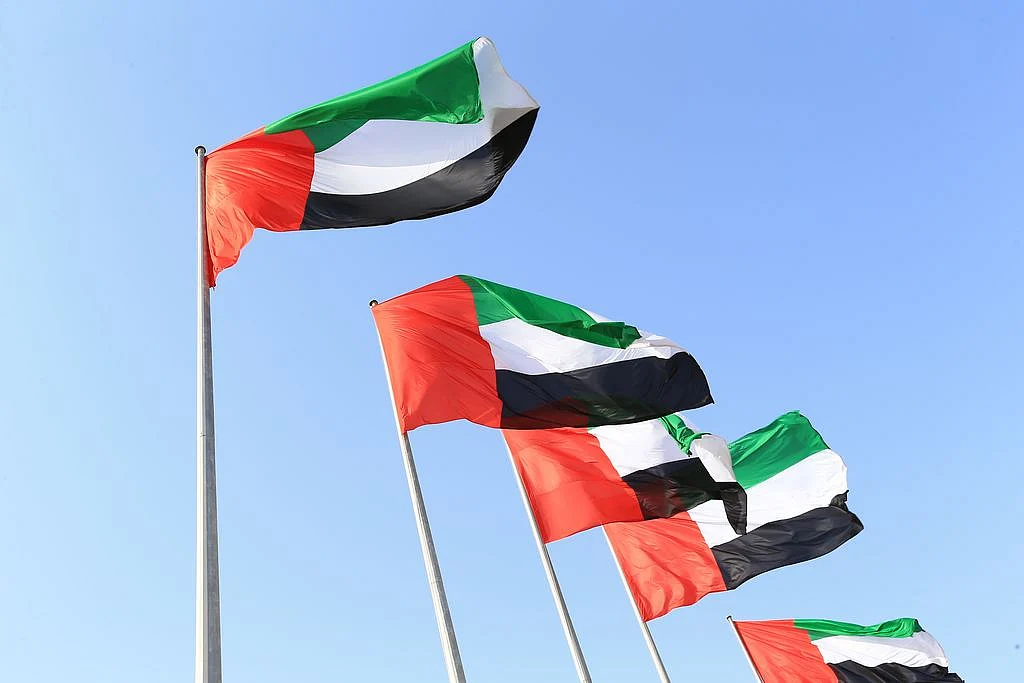
RAKBANK has secured in-principle approval from the Central Bank of the UAE to issue a dirham-backed stablecoin, marking a significant step in the country’s effort to anchor digital finance within a regulated banking framework. The approval places the Ras Al Khaimah-based lender among a widening circle of UAE financial institutions seeking to deploy tokenised money for payments, settlements and treasury use as demand accelerates across regional and global markets.
The move comes as stablecoins gain traction as a bridge between traditional finance and blockchain-based systems. Industry data show the global stablecoin market has expanded beyond $308bn in circulation, with annual settlement volumes reaching about $9tn, an 87 per cent increase from the prior year. Those figures have sharpened the focus of regulators and banks alike on ensuring that digital tokens remain fully backed, transparent and subject to oversight comparable to conventional payment instruments.
RAKBANK’s approval is conditional, reflecting the central bank’s phased approach. In-principle status allows the lender to proceed with technical development, governance design and compliance testing before a full operating licence is granted. Officials familiar with the process say the emphasis is on reserve management, redemption rights and operational resilience, alongside safeguards against illicit finance and cyber risk.
For RAKBANK, the stablecoin project aligns with a broader strategy to modernise payments infrastructure and serve small and mid-sized businesses engaged in domestic and cross-border trade. Executives have indicated that a dirham-linked token could shorten settlement cycles, reduce costs and improve liquidity management, particularly for corporate clients that move funds frequently within the UAE’s commercial hubs.
The central bank’s framework for payment tokens has encouraged banks to take the lead rather than ceding ground to unregulated issuers. By requiring stablecoins to be fully backed by high-quality liquid assets denominated in dirhams and held within the local financial system, policymakers aim to preserve monetary sovereignty while enabling innovation. Redemption at par and on demand is a core requirement, designed to prevent the price volatility that has plagued some offshore digital tokens.
Competition is intensifying. Several UAE lenders and fintech-backed consortia are working on regulated stablecoin offerings tied to the dirham, each seeking first-mover advantages in areas such as wholesale interbank settlement, merchant payments and tokenised deposits. International payment firms and blockchain infrastructure providers have also deepened their presence in the Emirates, betting that regulatory clarity will translate into scale.
Analysts note that banks entering the stablecoin arena face a delicate balance. While the tokens promise efficiency gains, they also raise questions about deposit substitution and balance-sheet management. If customers hold significant value in stablecoins rather than traditional accounts, banks must adapt liquidity planning and ensure that token issuance does not erode core funding. Regulators have responded by linking issuance volumes to reserve capacity and by monitoring flows closely.
RAKBANK’s initiative is also being watched for its potential role in government and quasi-government payment use cases. The UAE has prioritised digital public services and faster settlement rails, and a bank-issued, dirham-backed stablecoin could support programmable payments, escrow functions and real-time reconciliation for approved applications. Any such expansion would require additional regulatory sign-off and coordination across agencies.
Market participants caution that technology execution will be decisive. Interoperability with existing payment systems, wallet security and user experience will determine adoption beyond pilot phases. Banks must also decide whether to issue tokens on public blockchains with permissioned controls or on private ledgers that prioritise confidentiality. Each model carries trade-offs in transparency, scalability and compliance.
Arabian Post – Crypto News Network
The article RAKBANK cleared for dirham stablecoin push appeared first on Arabian Post.
What's Your Reaction?