













Merz signals EU–India trade pact push
Germany’s opposition leader Friedrich Merz has suggested that a long-stalled trade agreement between the European Union and India could be clinched by the end of January, injecting momentum into negotiations that Brussels and New Delhi have struggled to close for more than a decade as global supply chains remain under strain from geopolitical frictions. Speaking at a policy forum, Friedrich Merz said the bloc and India were “closer than many assume” to resolving key differences, adding that the economic case for a deal had sharpened after prolonged disruptions linked to strategic competition between major powers. His comments come as European manufacturers continue to grapple with uneven access to critical inputs following China’s tightening of export controls on minerals vital for electric vehicles, electronics and defence applications. Negotiations for an EU–India free trade agreement were relaunched in 2022 after an eight-year hiatus, with both sides aiming to expand trade that exceeded €120 billion in goods and services last year. Officials involved in the talks say progress has been made on tariff reductions and rules governing digital trade, though sensitive areas such as agriculture, labour standards and intellectual property remain contentious. Merz’s remarks underscore a growing sense in Berlin and other capitals that the agreement has moved from a strategic aspiration to an economic necessity. Germany, Europe’s largest economy, has been among the strongest advocates of diversifying trade ties beyond China, particularly after export controls imposed by Beijing on gallium, germanium and graphite created months of bottlenecks for automotive and renewable energy firms. Those controls, introduced amid the broader U. S.–China trade dispute, highlighted vulnerabilities in Europe’s dependence on a narrow set of suppliers for critical raw materials. Executives in the auto sector say shortages of battery-grade materials last year forced production adjustments and delayed investment decisions. While some supply has since stabilised, industry groups argue that long-term resilience requires deeper partnerships with alternative producers and manufacturing hubs. India, with its expanding industrial base and policy push to attract foreign investment, has emerged as a central pillar of that strategy. European officials note that the proposed agreement would not only cut tariffs—currently as high as 60 per cent on some vehicles entering India—but also establish clearer rules for public procurement and data flows. For India, the deal promises greater access to the European market for pharmaceuticals, textiles and IT services, while also encouraging technology transfer and skills development. Trade analysts caution that closing the pact by late January would require political compromises on both sides. European negotiators have pressed for stronger environmental and labour commitments, while Indian counterparts have sought flexibility to protect small farmers and domestic manufacturers. Still, the geopolitical context is shifting calculations. The European Union has accelerated its “open strategic autonomy” agenda, seeking to balance openness with security of supply, and India has signalled willingness to align more closely with Western economies without abandoning its strategic independence. Merz’s intervention also reflects domestic pressures within Germany, where exporters are seeking new growth markets as demand in China cools. German industry groups have repeatedly urged policymakers to prioritise agreements with fast-growing economies, arguing that delays risk ceding ground to competitors from East Asia and North America. The broader backdrop includes intensifying scrutiny of China’s role in global supply chains. Beijing has defended its export controls as legitimate measures to safeguard national security and manage resources, but the ripple effects have reinforced calls in Europe for diversification. The European Commission has already launched initiatives to secure access to lithium, cobalt and rare earths through partnerships in Africa, Latin America and Asia, with India seen as both a market and a manufacturing partner. Diplomats familiar with the EU–India talks say technical chapters are largely drafted, leaving political decisions to bridge remaining gaps. Any agreement would still need approval from member states and the European Parliament, a process that could extend beyond the negotiating deadline even if a political deal is struck. The article Merz signals EU–India trade pact push appeared first on Arabian Post.
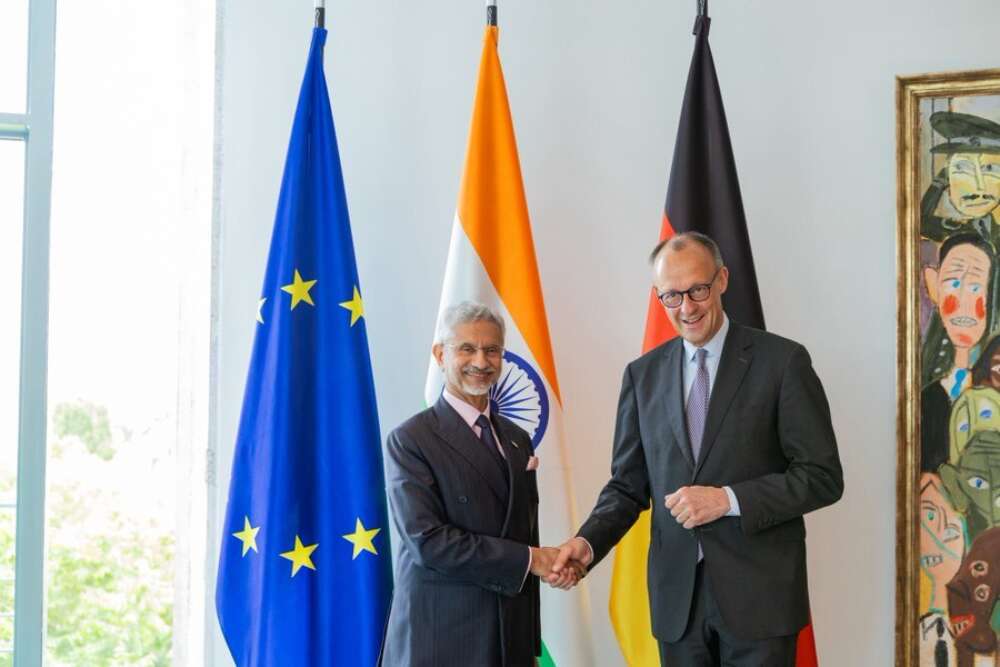
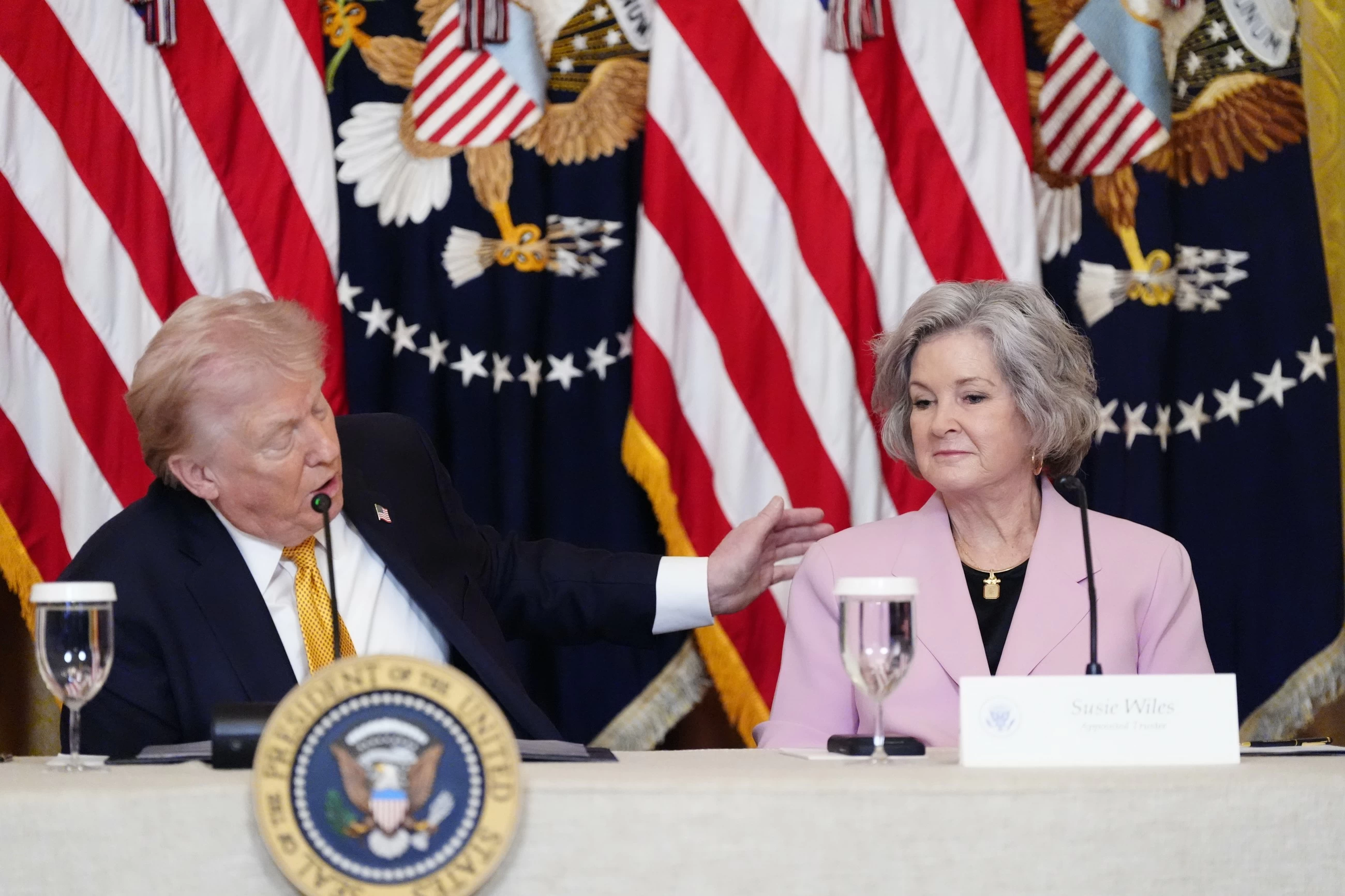
Germany’s opposition leader Friedrich Merz has suggested that a long-stalled trade agreement between the European Union and India could be clinched by the end of January, injecting momentum into negotiations that Brussels and New Delhi have struggled to close for more than a decade as global supply chains remain under strain from geopolitical frictions.
Speaking at a policy forum, Friedrich Merz said the bloc and India were “closer than many assume” to resolving key differences, adding that the economic case for a deal had sharpened after prolonged disruptions linked to strategic competition between major powers. His comments come as European manufacturers continue to grapple with uneven access to critical inputs following China’s tightening of export controls on minerals vital for electric vehicles, electronics and defence applications.
Negotiations for an EU–India free trade agreement were relaunched in 2022 after an eight-year hiatus, with both sides aiming to expand trade that exceeded €120 billion in goods and services last year. Officials involved in the talks say progress has been made on tariff reductions and rules governing digital trade, though sensitive areas such as agriculture, labour standards and intellectual property remain contentious. Merz’s remarks underscore a growing sense in Berlin and other capitals that the agreement has moved from a strategic aspiration to an economic necessity.
Germany, Europe’s largest economy, has been among the strongest advocates of diversifying trade ties beyond China, particularly after export controls imposed by Beijing on gallium, germanium and graphite created months of bottlenecks for automotive and renewable energy firms. Those controls, introduced amid the broader U. S.–China trade dispute, highlighted vulnerabilities in Europe’s dependence on a narrow set of suppliers for critical raw materials.
Executives in the auto sector say shortages of battery-grade materials last year forced production adjustments and delayed investment decisions. While some supply has since stabilised, industry groups argue that long-term resilience requires deeper partnerships with alternative producers and manufacturing hubs. India, with its expanding industrial base and policy push to attract foreign investment, has emerged as a central pillar of that strategy.
European officials note that the proposed agreement would not only cut tariffs—currently as high as 60 per cent on some vehicles entering India—but also establish clearer rules for public procurement and data flows. For India, the deal promises greater access to the European market for pharmaceuticals, textiles and IT services, while also encouraging technology transfer and skills development.
Trade analysts caution that closing the pact by late January would require political compromises on both sides. European negotiators have pressed for stronger environmental and labour commitments, while Indian counterparts have sought flexibility to protect small farmers and domestic manufacturers. Still, the geopolitical context is shifting calculations. The European Union has accelerated its “open strategic autonomy” agenda, seeking to balance openness with security of supply, and India has signalled willingness to align more closely with Western economies without abandoning its strategic independence.
Merz’s intervention also reflects domestic pressures within Germany, where exporters are seeking new growth markets as demand in China cools. German industry groups have repeatedly urged policymakers to prioritise agreements with fast-growing economies, arguing that delays risk ceding ground to competitors from East Asia and North America.
The broader backdrop includes intensifying scrutiny of China’s role in global supply chains. Beijing has defended its export controls as legitimate measures to safeguard national security and manage resources, but the ripple effects have reinforced calls in Europe for diversification. The European Commission has already launched initiatives to secure access to lithium, cobalt and rare earths through partnerships in Africa, Latin America and Asia, with India seen as both a market and a manufacturing partner.
Diplomats familiar with the EU–India talks say technical chapters are largely drafted, leaving political decisions to bridge remaining gaps. Any agreement would still need approval from member states and the European Parliament, a process that could extend beyond the negotiating deadline even if a political deal is struck.
The article Merz signals EU–India trade pact push appeared first on Arabian Post.
What's Your Reaction?