





























Google opens access to Project Genie playable worlds
Google has begun opening access to Project Genie, an artificial intelligence system that generates interactive, game-like environments from simple prompts, signalling a fresh push by the company to redefine how digital worlds are created while reigniting debate over the use of copyrighted material in generative AI. Project Genie allows users to describe a scene, upload an image, or sketch a rough layout and then play inside a […] The article Google opens access to Project Genie playable worlds appeared first on Arabian Post.
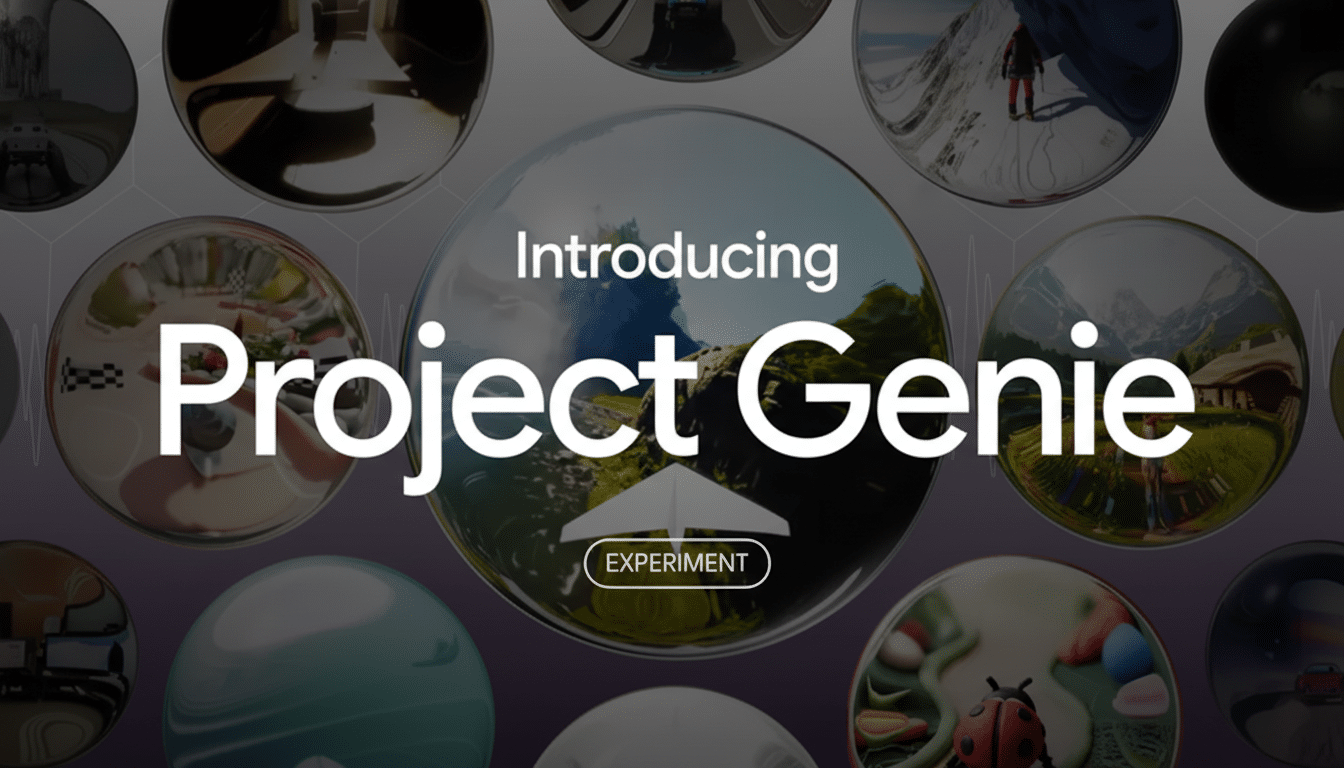
Google has begun opening access to Project Genie, an artificial intelligence system that generates interactive, game-like environments from simple prompts, signalling a fresh push by the company to redefine how digital worlds are created while reigniting debate over the use of copyrighted material in generative AI.
Project Genie allows users to describe a scene, upload an image, or sketch a rough layout and then play inside a dynamically generated world that responds in real time. Characters move, objects interact, and environments evolve as the player explores, offering an experience closer to a basic video game than to static AI imagery or text. Google says the tool is designed for rapid prototyping, creative experimentation and research into how AI can simulate physical and social rules.
The system builds on work from Google DeepMind on so-called world models, AI architectures trained to understand how environments change over time. Unlike earlier generative tools that produced single images or short video clips, Project Genie runs continuously, predicting what should happen next based on user input. Analysts say this shift from passive generation to interactive simulation marks a significant step in AI capability.
Access to Project Genie is being rolled out in stages through Google’s experimental platforms, with initial users including developers, researchers and selected creators. Google has positioned the release as exploratory rather than commercial, emphasising that the technology is still evolving and subject to safeguards. The company has not announced pricing or a timeline for wider public availability.
The announcement has drawn attention partly because Google says playable worlds can feature copyrighted intellectual property, provided users have the right to use that material. This has raised questions about how rights are verified and how such systems are trained. Generative AI models typically rely on vast datasets of images, video and text, some of which may include protected works. Rights holders across the entertainment and gaming industries have been increasingly vocal about the need for clearer consent and compensation mechanisms.
Google has stated that Project Genie includes controls intended to prevent unauthorised use of protected content and that it expects users to comply with existing copyright laws. The company has also highlighted ongoing efforts to develop opt-out tools and data governance frameworks. Still, legal experts say interactive AI worlds introduce fresh complexity, because the output is not a fixed asset but an evolving experience shaped jointly by the model and the user.
For the gaming sector, Project Genie hints at a future where early-stage world building becomes faster and cheaper. Independent developers could test concepts without months of asset creation, while larger studios might use AI-generated environments for prototyping rather than final production. At the same time, industry veterans caution that polished games depend on narrative design, balance and artistic intent that current AI systems cannot reliably deliver.
Beyond games, Google frames the technology as relevant to robotics, training simulations and education, where agents need to learn by interacting with realistic environments. Researchers note that world models capable of simulating cause and effect could help AI systems plan, reason and adapt more effectively in the physical world.
Project Genie also underscores intensifying competition among technology firms to lead in generative AI. Rivals are investing heavily in video generation, 3D modelling and real-time simulation, seeing immersive content as the next frontier after text and images. Google’s move suggests it intends to leverage its research depth to stay ahead in that race.
The article Google opens access to Project Genie playable worlds appeared first on Arabian Post.
What's Your Reaction?