































Gold, silver panic sell-off in UAE driven by profit-booking, say jewellers
The recent panic selling in gold and silver by UAE residents and investors was driven by fear-based profit-booking rather than distress selling caused by short-term price volatility, according to jewellers and market analysts.They believe that the precious metals continue to retain their strong appeal as safe-haven investments, despite sharp price corrections.After gold prices plunged nearly five per cent on Thursday evening — following a surge to a record high of over $5,500 an ounce globally and Dh666 per gram in Dubai — long queues of sellers were seen across the Dubai Gold Souk on Thursday and Friday.Stay up to date with the latest news. Follow KT on WhatsApp Channels.In Dubai, 24K gold touched an all-time high of Dh666 per gram on Thursday before falling by Dh76.5 to Dh589.5 per gram over the weekend. Other variants also slipped from record levels, with 22K, 21K, 18K and 14K gold selling at Dh545.75, Dh523.25, Dh448.5 and Dh349.75 per gram, respectively.Spot gold dropped to $4,893.2 per ounce, down 8.14 per cent from its peak. Analysts attributed the decline to a strengthening US dollar following the appointment of Kevin Warsh as the new chief of the US Federal Reserve.Aditya Singh, head of International Jewellery Business at Titan Company, said the sell-off reflects short-term price volatility and profit-booking after record highs, influenced by global interest rate signals.“In Dubai, gold’s liquidity accelerates sentiment-driven reactions. Such corrections are normal and do not change gold’s long-term cultural, emotional, and value-led relevance for consumers,” he said.Aditya SinghAccording to Anil Dhanak, managing director of Kanz Jewels, the panic selling witnessed in Dubai was largely driven by fear-based profit-booking rather than any fundamental weakness in gold or silver.“Prices had touched record highs within a short period, and when a sharp correction followed, many retail investors rushed to sell, worried that prices might fall further,” he said.Anil DhanakDhanak added that retail investors in Dubai tend to respond quickly to price movements because gold is a highly liquid asset.“Global cues such as currency fluctuations, bond yields, and short-term market speculation added to the nervousness, resulting in long queues across the Gold Souk. However, this was panic selling, not distress selling. The long-term fundamentals of gold remain strong, supported by geopolitical uncertainty and its role as a safe-haven asset. Historically, such corrections after sharp rallies are temporary, and patient investors are usually better placed than those reacting emotionally,” he said.Textbook case of short-term profit-bookingChirag Vora, managing director of Bafleh Jewellers, said the post-peak selling in gold and silver was a textbook case of short-term profit-booking amplified by market mechanics rather than any erosion in fundamentals.“After prices touched record levels, the market became highly sensitive to global triggers, and even marginal corrections prompted exits by short-horizon and leveraged participants. Dubai’s bullion market is closely aligned with international price discovery. Movements in the US dollar, bond yields, and evolving interest rate expectations led to algorithmic and speculative unwinding, which subsequently filtered into the physical market,” he said.Chirag VoraVora stressed that the sell-off should not be interpreted as a loss of confidence in gold.“Central bank accumulation, geopolitical risk hedging, and portfolio diversification demand remain structurally strong. Such corrective phases are part of healthy market recalibration and typically help restore balance after periods of excessive speculative build-up,” he added.What analysts sayRania Gule, senior market analyst at xs.com Mena, said the sudden volatility in gold and silver markets triggered panic selling, which was clearly visible in the long queues at Dubai’s Gold Souk.“This behaviour was not confined to the local market but spread globally, raising fundamental questions about investor motives and whether the move represents a healthy correction or the start of broader selling pressure,” she said.Rania GuleGule added that the behaviour observed in both Dubai and global markets reflects a rapid repricing of risk rather than a fundamental shift in the underlying trend.“The panic selling witnessed in Dubai reflects a natural convergence of psychological, technical, and short-term fundamental factors following record highs,” she said.“The most likely scenario is a gradual easing of panic over the coming week, with gold and silver remaining in a healthy repricing phase. Long-term investors may view these moves as opportunities to reposition and accumulate, while short-term traders are likely to remain exposed to heightened volatility until the technical picture becomes clearer.”Abdelaziz Albogdady, market research and Fintech strategy manager at FXEM, said the market reaction followed the announcement of Kevin Warsh’s nomi
The recent panic selling in gold and silver by UAE residents and investors was driven by fear-based profit-booking rather than distress selling caused by short-term price volatility, according to jewellers and market analysts.
They believe that the precious metals continue to retain their strong appeal as safe-haven investments, despite sharp price corrections.
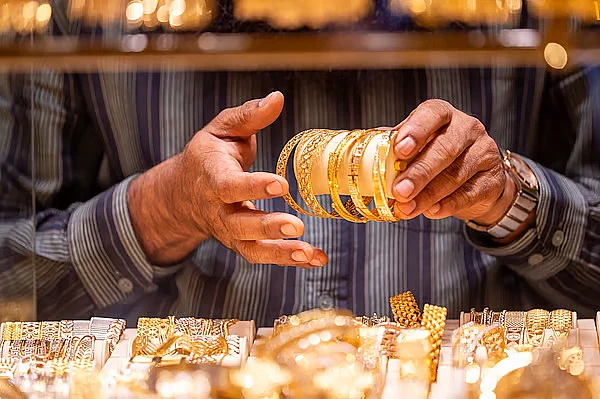
After gold prices plunged nearly five per cent on Thursday evening — following a surge to a record high of over $5,500 an ounce globally and Dh666 per gram in Dubai — long queues of sellers were seen across the Dubai Gold Souk on Thursday and Friday.
Stay up to date with the latest news. Follow KT on WhatsApp Channels.
In Dubai, 24K gold touched an all-time high of Dh666 per gram on Thursday before falling by Dh76.5 to Dh589.5 per gram over the weekend. Other variants also slipped from record levels, with 22K, 21K, 18K and 14K gold selling at Dh545.75, Dh523.25, Dh448.5 and Dh349.75 per gram, respectively.
Spot gold dropped to $4,893.2 per ounce, down 8.14 per cent from its peak. Analysts attributed the decline to a strengthening US dollar following the appointment of Kevin Warsh as the new chief of the US Federal Reserve.
Aditya Singh, head of International Jewellery Business at Titan Company, said the sell-off reflects short-term price volatility and profit-booking after record highs, influenced by global interest rate signals.
“In Dubai, gold’s liquidity accelerates sentiment-driven reactions. Such corrections are normal and do not change gold’s long-term cultural, emotional, and value-led relevance for consumers,” he said. Aditya Singh
According to Anil Dhanak, managing director of Kanz Jewels, the panic selling witnessed in Dubai was largely driven by fear-based profit-booking rather than any fundamental weakness in gold or silver.
“Prices had touched record highs within a short period, and when a sharp correction followed, many retail investors rushed to sell, worried that prices might fall further,” he said. Anil Dhanak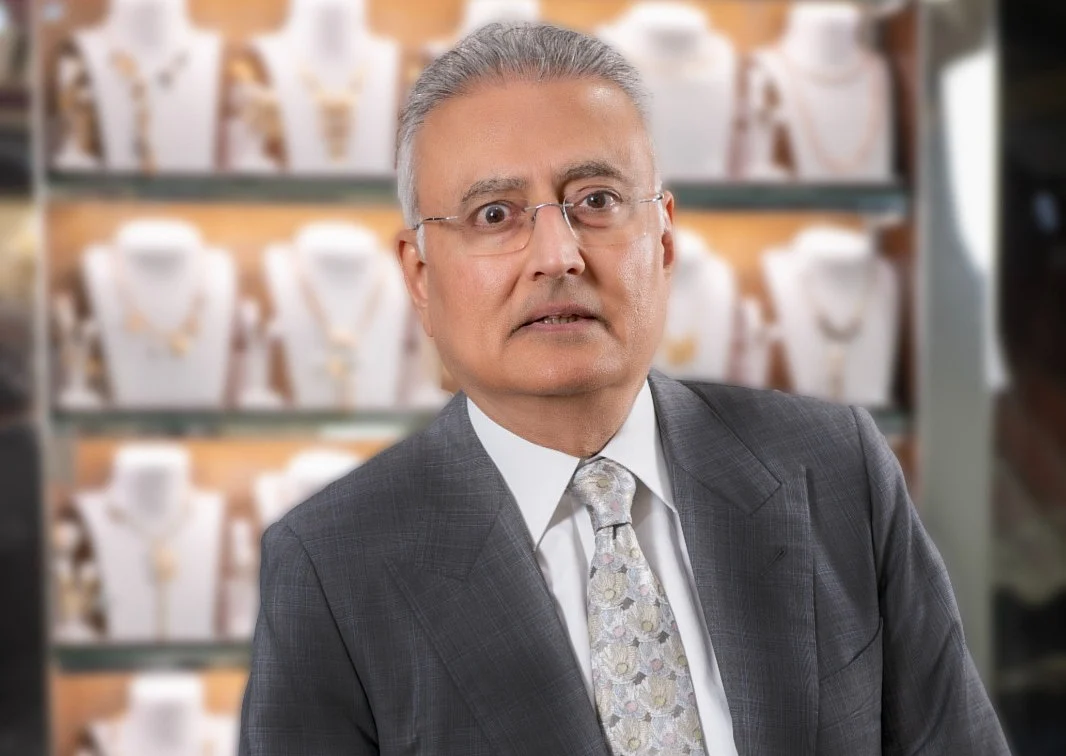
Dhanak added that retail investors in Dubai tend to respond quickly to price movements because gold is a highly liquid asset.
“Global cues such as currency fluctuations, bond yields, and short-term market speculation added to the nervousness, resulting in long queues across the Gold Souk. However, this was panic selling, not distress selling. The long-term fundamentals of gold remain strong, supported by geopolitical uncertainty and its role as a safe-haven asset. Historically, such corrections after sharp rallies are temporary, and patient investors are usually better placed than those reacting emotionally,” he said.
Textbook case of short-term profit-booking
Chirag Vora, managing director of Bafleh Jewellers, said the post-peak selling in gold and silver was a textbook case of short-term profit-booking amplified by market mechanics rather than any erosion in fundamentals.
“After prices touched record levels, the market became highly sensitive to global triggers, and even marginal corrections prompted exits by short-horizon and leveraged participants. Dubai’s bullion market is closely aligned with international price discovery. Movements in the US dollar, bond yields, and evolving interest rate expectations led to algorithmic and speculative unwinding, which subsequently filtered into the physical market,” he said. Chirag Vora
Vora stressed that the sell-off should not be interpreted as a loss of confidence in gold.
“Central bank accumulation, geopolitical risk hedging, and portfolio diversification demand remain structurally strong. Such corrective phases are part of healthy market recalibration and typically help restore balance after periods of excessive speculative build-up,” he added.
What analysts say
Rania Gule, senior market analyst at xs.com Mena, said the sudden volatility in gold and silver markets triggered panic selling, which was clearly visible in the long queues at Dubai’s Gold Souk.
“This behaviour was not confined to the local market but spread globally, raising fundamental questions about investor motives and whether the move represents a healthy correction or the start of broader selling pressure,” she said. Rania Gule
Gule added that the behaviour observed in both Dubai and global markets reflects a rapid repricing of risk rather than a fundamental shift in the underlying trend.
“The panic selling witnessed in Dubai reflects a natural convergence of psychological, technical, and short-term fundamental factors following record highs,” she said.
“The most likely scenario is a gradual easing of panic over the coming week, with gold and silver remaining in a healthy repricing phase. Long-term investors may view these moves as opportunities to reposition and accumulate, while short-term traders are likely to remain exposed to heightened volatility until the technical picture becomes clearer.”
Abdelaziz Albogdady, market research and Fintech strategy manager at FXEM, said the market reaction followed the announcement of Kevin Warsh’s nomination as the next Fed chief, triggering a rapid repricing toward a firmer dollar and a more cautious monetary policy outlook.
“After the market’s strong performance, a correction was increasingly probable. The ensuing downtrend pressured the market and resulted in forced selling. Once key support levels broke, the market saw a cascade of stop-losses and margin calls. In Dubai, retail investors reacted to the global crash, which naturally triggered psychological fear and profit-taking in the physical market,” he said
What's Your Reaction?