




























Dubai readies first electric air taxi launch
Arabian Post Staff -Dubai Dubai is preparing to introduce electric air taxis into commercial service before the end of the year, marking a pivotal step in the emirate’s push to reshape urban mobility through cleaner, faster transport options. The timeline was outlined by Mattar Al Tayer, chairman of the Dubai Roads and Transport Authority, who said regulatory approvals and infrastructure preparations are advancing in parallel with […] The article Dubai readies first electric air taxi launch appeared first on Arabian Post.
Arabian Post Staff -Dubai
Dubai is preparing to introduce electric air taxis into commercial service before the end of the year, marking a pivotal step in the emirate’s push to reshape urban mobility through cleaner, faster transport options. The timeline was outlined by Mattar Al Tayer, chairman of the Dubai Roads and Transport Authority, who said regulatory approvals and infrastructure preparations are advancing in parallel with flight testing.
The announcement follows a milestone test flight carried out in June by Joby Aviation, when the company flew its fully electric vertical take-off and landing aircraft over Dubai. Officials described the flight as a validation of the technology under local operating conditions and a key prerequisite for integrating the service into the city’s transport network, which already spans metro rail, buses, taxis and marine transport.
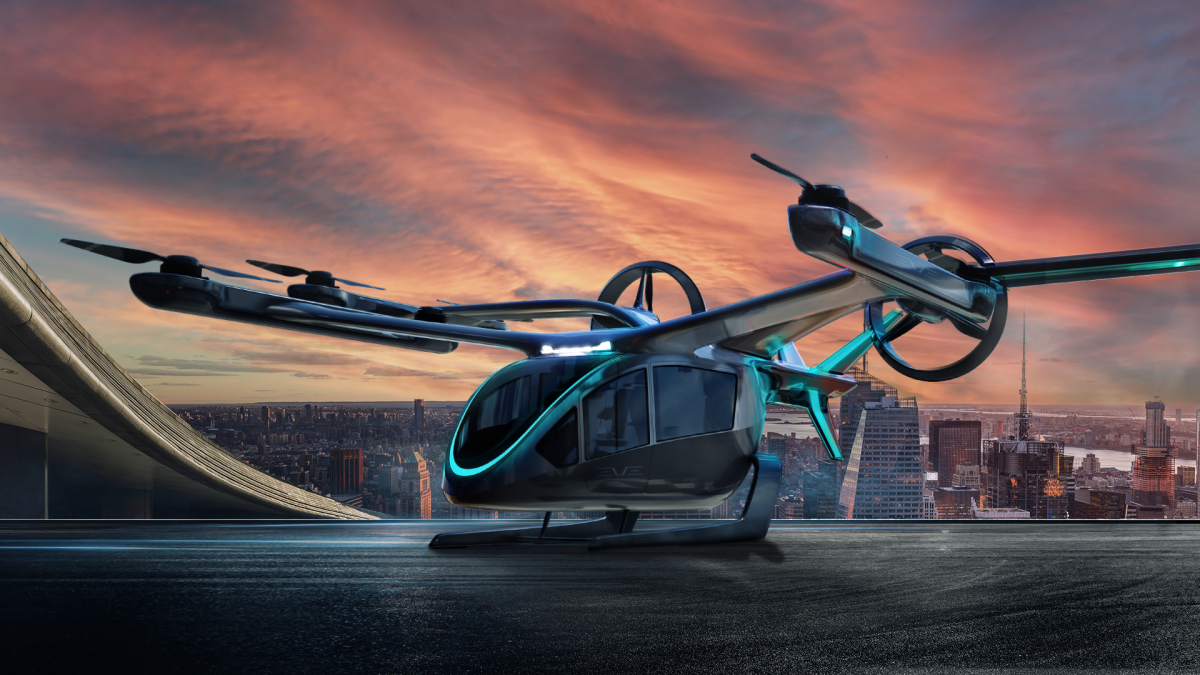
Joby’s aircraft, branded as the Joby Aerial Taxi, is designed to carry a pilot and four passengers, combining helicopter-like vertical take-off with the efficiency of fixed-wing flight. According to specifications shared with regulators, the aircraft can travel distances of up to 160 kilometres and reach top speeds of about 320 kilometres per hour, while producing a fraction of the noise associated with conventional helicopters. The company says the aircraft’s electric propulsion system enables zero operating emissions and lower maintenance costs compared with traditional rotorcraft.
Dubai’s interest in electric air taxis forms part of a broader strategy to diversify transport options and cut congestion on roads linking key commercial and residential districts. Officials familiar with the planning say early routes are likely to focus on high-demand corridors connecting business hubs, tourist areas and transport interchanges, with vertiports positioned close to existing infrastructure to minimise last-mile travel times. Detailed route maps have not been disclosed, but planners have indicated that safety buffers, airspace coordination and community noise considerations are central to the rollout.
For Joby Aviation, the Dubai project represents one of the most advanced international deployments of its aircraft outside the United States. The California-based firm has been working with aviation authorities in multiple jurisdictions to secure type certification and operational approvals, a process that requires extensive flight testing, systems validation and pilot training. The Dubai test flight was conducted under the supervision of local civil aviation regulators, signalling confidence in the aircraft’s readiness to move into the next phase of evaluation.
Mattar Al Tayer said the air taxi programme aligns with Dubai’s long-term vision to make a quarter of all journeys autonomous by the end of the decade. While the initial Joby service will be piloted, officials view it as a stepping stone towards more automated aerial mobility once regulatory frameworks and public acceptance evolve. He added that integrating air taxis with booking platforms used for ground transport will be critical to ensuring the service is practical rather than a novelty.
Industry analysts note that Dubai’s dense urban layout, high-value time-sensitive travel and strong government backing make it a favourable testbed for electric vertical take-off and landing services. However, they also caution that scaling operations beyond a limited number of aircraft will depend on airspace management, charging infrastructure and cost structures that can attract a broad user base rather than only premium customers. Pricing details for the Dubai service have not been announced, though officials have suggested fares will be positioned to compete with high-end ground transport options rather than helicopter charters.
Globally, electric air taxis have moved from concept demonstrations to advanced testing as manufacturers race to be first to market. Joby faces competition from several developers pursuing similar aircraft designs, but its progress in flight hours and regulatory engagement has placed it among the front-runners. The Dubai deployment is being watched closely by other cities assessing whether such services can ease congestion without adding complexity to already crowded skies.
The article Dubai readies first electric air taxi launch appeared first on Arabian Post.
What's Your Reaction?