



















Dubai broadens Ramadan passport scheme for children
Dubai authorities have revived and significantly expanded a Ramadan initiative aimed at encouraging children to attend mosque prayers, rolling it out to more than 300 mosques across the emirate as part of a broader push to deepen community engagement during the holy month. The programme, known as Ayal Al-Freej, invites children aged between six and 12 to collect special Ramadan “passports” that are stamped each time they […] The article Dubai broadens Ramadan passport scheme for children appeared first on Arabian Post.

Dubai authorities have revived and significantly expanded a Ramadan initiative aimed at encouraging children to attend mosque prayers, rolling it out to more than 300 mosques across the emirate as part of a broader push to deepen community engagement during the holy month.
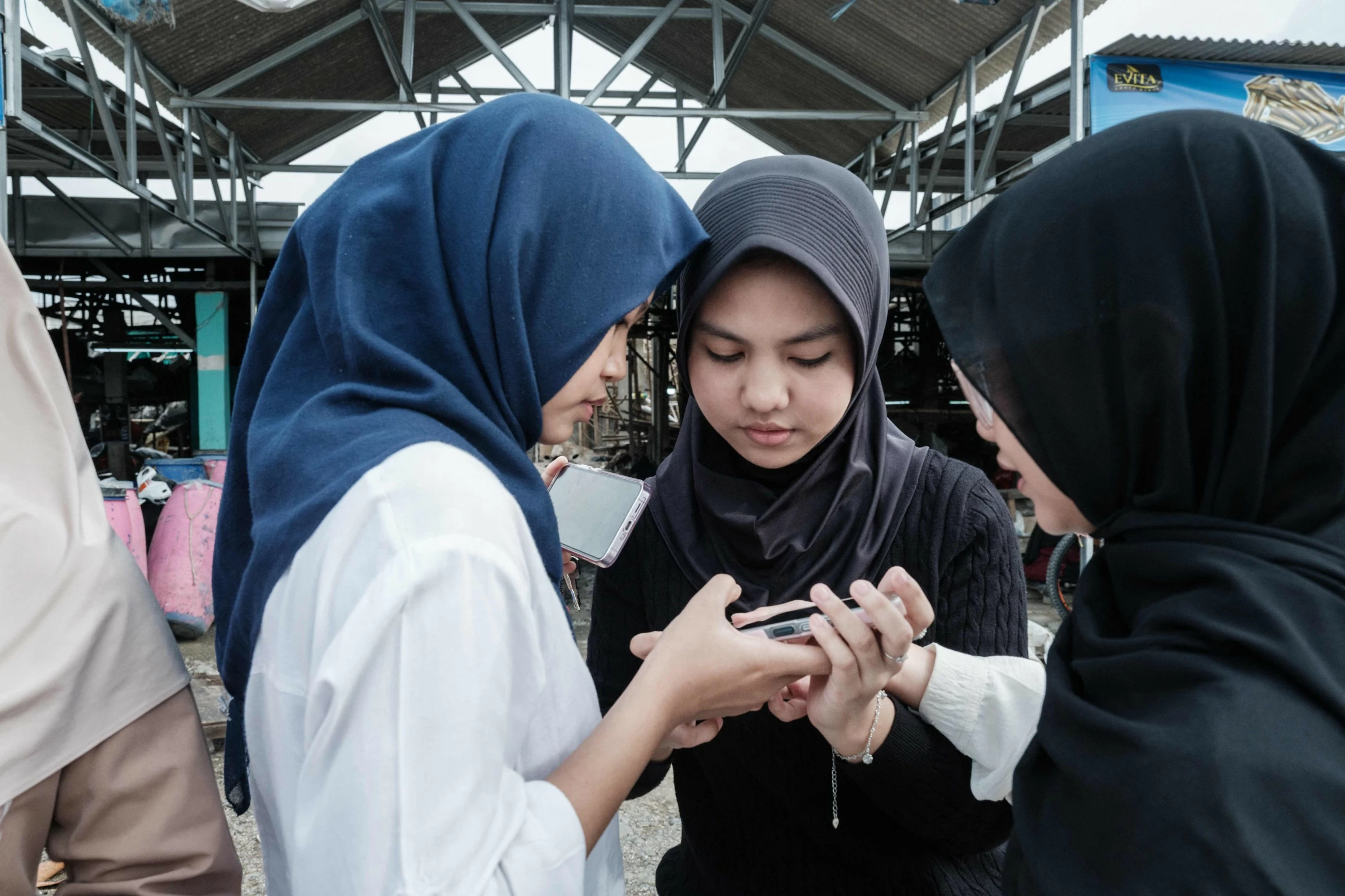
The programme, known as Ayal Al-Freej, invites children aged between six and 12 to collect special Ramadan “passports” that are stamped each time they attend Taraweeh prayers. Organisers say the scheme is designed to foster consistent prayer habits among younger residents while strengthening their connection to neighbourhood mosques in a structured and welcoming environment.
Officials overseeing the initiative confirmed that this year’s edition has been scaled up following strong participation during its debut. During the first week of the previous Ramadan, more than 2,000 children took part, prompting organisers to extend the programme to additional mosques and introduce interactive elements aimed at sustaining enthusiasm throughout the month.
Taraweeh prayers, held after the Isha prayer during Ramadan, draw large congregations across the UAE, particularly in Dubai’s residential districts. Religious scholars and community leaders have long emphasised the value of involving children in mosque activities in a way that balances spiritual instruction with age-appropriate engagement. The passport concept, organisers say, provides a tangible incentive that aligns with these goals without altering the core religious practice.
Under the scheme, participating mosques distribute the booklets to registered children at the start of Ramadan. Each attendance at Taraweeh earns a stamp, and children who complete designated milestones receive small rewards. Organisers stress that the emphasis remains on encouraging regular attendance rather than competition, with mosque staff and volunteers guiding children on etiquette and the meaning of the prayers.
The initiative is being coordinated with support from Dubai’s religious and community authorities, which oversee mosque affairs and ensure that activities comply with established guidelines. Officials say the expansion to more than 300 mosques reflects an effort to reach families across diverse neighbourhoods, from long-established districts to newly developed residential communities.
A distinctive feature this year is the introduction of a Ramadan-themed ice cream bus that tours participating mosques at scheduled intervals. The vehicle distributes treats to children after prayers, adding a celebratory element while reinforcing attendance. Organisers indicated that additional child-focused activities are planned during the month, though details are being rolled out gradually to maintain anticipation.
Community observers note that Ramadan initiatives in Dubai have evolved in scale and organisation over the past decade, reflecting demographic growth and the emirate’s emphasis on structured civic engagement. Programmes targeting youth participation have featured prominently, ranging from Qur’an memorisation contests to volunteer drives and charitable campaigns linked to mosque networks.
Educators and child development specialists in the UAE have generally supported efforts that integrate spiritual practice with positive reinforcement, provided they remain inclusive and non-coercive. They argue that initiatives such as the passport scheme can help establish routine and familiarity with mosque settings, particularly for children growing up in urban environments where distractions are plentiful.
At the same time, some scholars caution against over-commercialisation of religious observance. They emphasise that incentives should complement, rather than overshadow, the spiritual dimension of Ramadan. Organisers of Ayal Al-Freej say they are mindful of this balance, noting that the core of the programme remains attendance at prayer and exposure to mosque life.
Dubai’s approach mirrors a wider regional trend in which Gulf cities are seeking innovative ways to engage younger generations in traditional practices. Authorities across the UAE have increasingly incorporated digital registration systems, structured volunteer programmes and community-based events during Ramadan to enhance participation while maintaining order at high-attendance venues.
The expansion to more than 300 mosques also reflects logistical coordination. Mosque administrations have been briefed on managing increased numbers of children, ensuring adequate supervision and maintaining decorum during prayers. Volunteers, including parents and youth mentors, have been encouraged to assist in guiding participants and facilitating the stamping process efficiently after each prayer session.
Families who took part in the initial edition reported that children responded positively to the structured format. Parents said the passport created a sense of responsibility and anticipation, with many children eager to complete their stamps before the end of the month. Organisers indicated that feedback from last year’s participants informed this year’s enhancements, including broader geographic coverage and improved distribution mechanisms.
The article Dubai broadens Ramadan passport scheme for children appeared first on Arabian Post.
What's Your Reaction?