























Aluminium breakthrough points to near-unsinkable vessels
A materials engineering breakthrough that allows perforated aluminium structures to float indefinitely is prompting fresh thinking about ship safety, offshore platforms and ocean-energy systems, with researchers demonstrating that ordinary metal can be made effectively unsinkable by altering its surface at the microscopic level. The advance centres on aluminium tubes whose surfaces are engineered to repel water so strongly that air becomes permanently trapped inside them. Even when […] The article Aluminium breakthrough points to near-unsinkable vessels appeared first on Arabian Post.
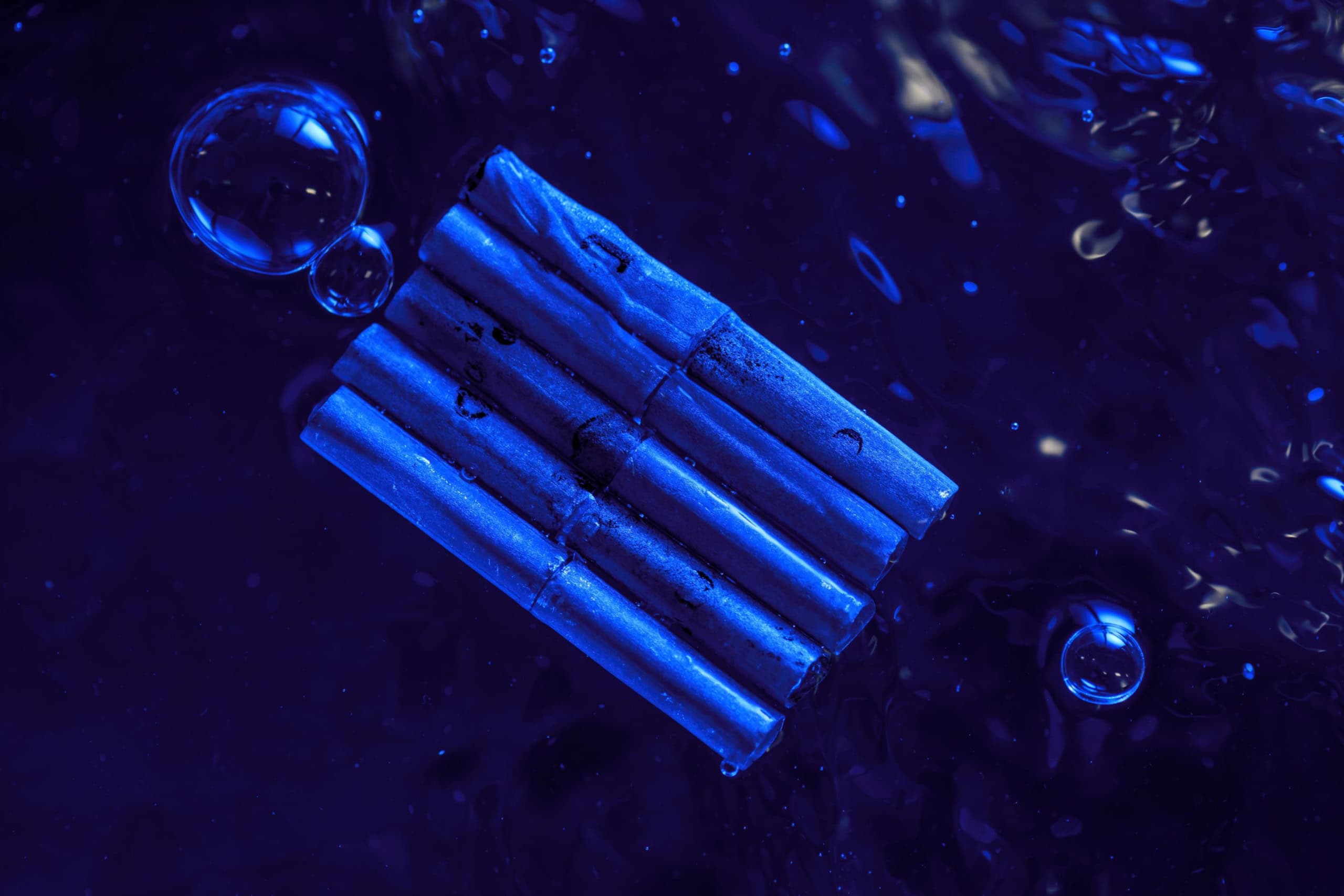
A materials engineering breakthrough that allows perforated aluminium structures to float indefinitely is prompting fresh thinking about ship safety, offshore platforms and ocean-energy systems, with researchers demonstrating that ordinary metal can be made effectively unsinkable by altering its surface at the microscopic level.
The advance centres on aluminium tubes whose surfaces are engineered to repel water so strongly that air becomes permanently trapped inside them. Even when fully submerged or punctured with multiple holes, the tubes continue to float, resisting sinking under conditions that would overwhelm conventional buoyant materials.
Researchers involved in the work say the effect is achieved by creating a superhydrophobic surface on aluminium, a metal already valued in maritime engineering for its low weight, corrosion resistance and structural strength. When treated in this way, the metal behaves very differently in water. Instead of allowing liquid to seep into cavities, the surface forces water away, preserving a stable pocket of air within the structure.
Laboratory tests have shown that these air pockets remain intact for extended periods, even under agitation designed to simulate waves and turbulence. Unlike foam-based buoyancy systems, which can degrade or absorb water over time, the treated aluminium relies on physical surface properties rather than sealed chambers or additional flotation materials.
The implications for marine safety are significant. Conventional ships and offshore structures depend on compartmentalisation, pumps and redundancy to prevent sinking after damage. A structural material that inherently resists flooding could add an additional layer of protection, particularly in accidents involving hull breaches. Engineers note that even partial adoption of such materials could slow flooding rates and provide crews with more time to respond during emergencies.
Beyond safety, the technology is attracting interest from designers of floating infrastructure. As coastal cities look towards offshore platforms for energy generation, data centres and even housing, long-term stability in harsh marine environments has become a central challenge. Aluminium structures that maintain buoyancy without relying on sealed pontoons could reduce maintenance demands and improve resilience against storms.
The concept also aligns with growing interest in wave-powered and floating renewable energy systems. Devices that must remain at the surface for years face constant mechanical stress and corrosion. A material that naturally traps air and resists water ingress could extend operational lifespans and lower costs, particularly in remote locations where repairs are difficult.
From a scientific standpoint, the work builds on a broader trend in surface engineering inspired by natural phenomena. Superhydrophobicity, observed in lotus leaves and certain insect wings, has been studied for years for applications ranging from self-cleaning surfaces to anti-icing coatings. Applying these principles to load-bearing metals marks a step forward, bridging the gap between laboratory demonstrations and structural engineering.
The aluminium surfaces are modified using a combination of micro- and nanoscale texturing and chemical treatments. Together, these features create a roughness that traps air while minimising the contact area between water and metal. Water droplets bead and roll off rather than spreading, preventing liquid from penetrating openings that would otherwise flood.
Scaling the process remains a central challenge. Treating small tubes in controlled settings is relatively straightforward, but applying uniform superhydrophobic coatings to large ship components would require industrial-scale solutions. Researchers involved acknowledge that durability is another key issue, as marine environments subject surfaces to abrasion, biofouling and chemical exposure that could degrade performance over time.
Industry specialists say those hurdles are not insurmountable. Advances in coating technologies, laser texturing and additive manufacturing are already allowing precise surface control on large metal components. If the treatments can be integrated into existing fabrication processes, costs could fall rapidly, making adoption commercially viable.
Environmental considerations are also shaping the discussion. Aluminium is widely recycled, and proponents argue that enhancing its performance through surface engineering could reduce the need for additional buoyant materials, many of which are derived from petrochemicals. Longer-lasting floating structures could also mean fewer replacements and less waste over time.
Naval architects caution that the technology is not a substitute for established safety systems. Stability, weight distribution and structural integrity remain governed by complex design rules, and no single material can eliminate risk at sea. Even so, they see potential for the treated aluminium to complement existing approaches, particularly in smaller vessels, unmanned platforms and modular offshore systems.
The article Aluminium breakthrough points to near-unsinkable vessels appeared first on Arabian Post.
What's Your Reaction?