

























Trumps Economic Policies Drowned Out By The Drumbeat Of Minneapolis Outrage
By T N Ashok WASHINGTON: In the corridors of power, where messaging is currency and optics are everything, President Donald Trump faces a political paradox that threatens to undermine his party’s prospects in November’s midterm elections: his administration’s economic achievements are being systematically overshadowed by images of masked federal agents confronting protesters in Minneapolis. The […] The article Trumps Economic Policies Drowned Out By The Drumbeat Of Minneapolis Outrage appeared first on Latest India news, analysis and reports on Newspack by India Press Agency). The article Trumps Economic Policies Drowned Out By The Drumbeat Of Minneapolis Outrage appeared first on Arabian Post.

By T N Ashok
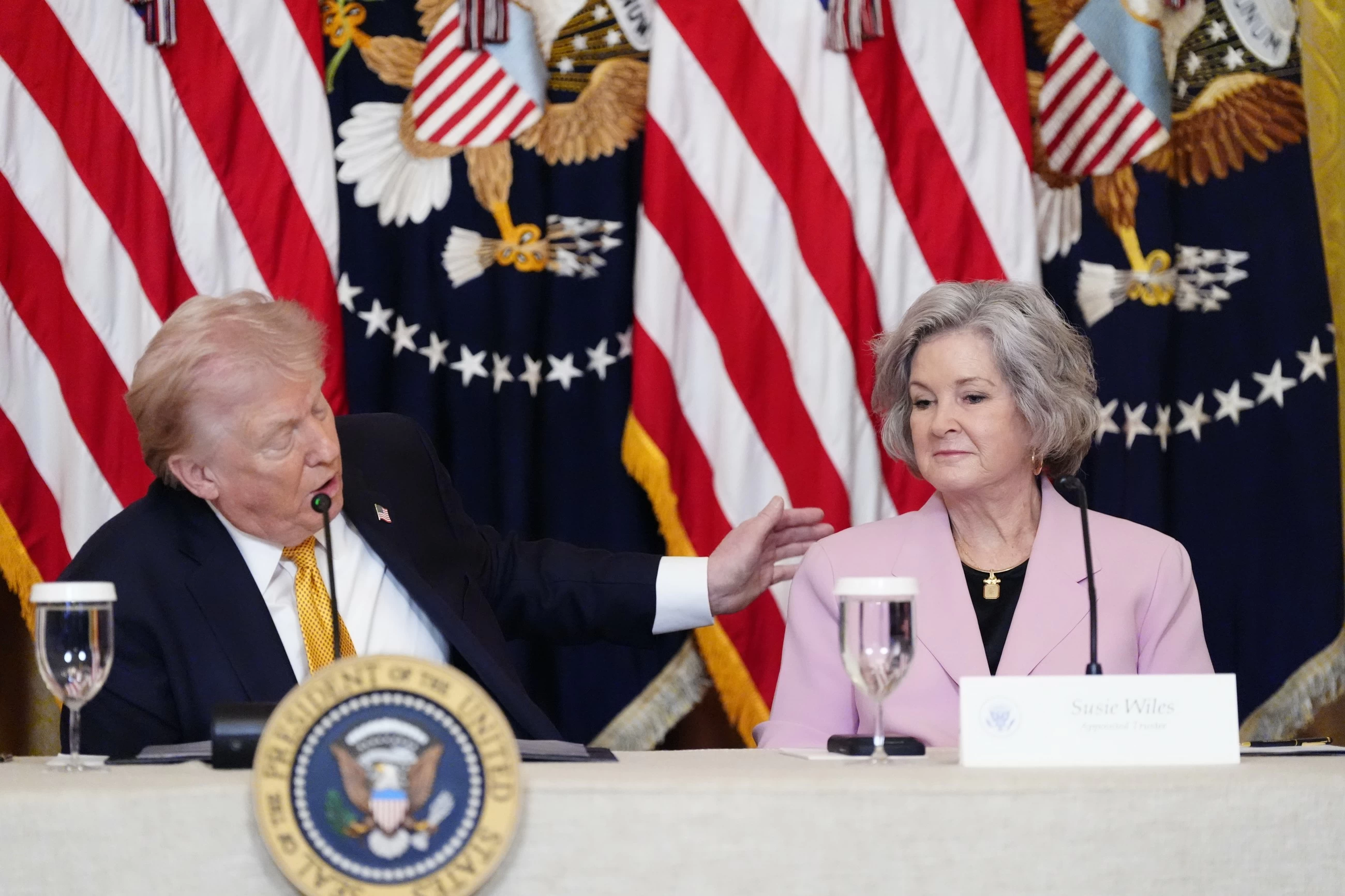
WASHINGTON: In the corridors of power, where messaging is currency and optics are everything, President Donald Trump faces a political paradox that threatens to undermine his party’s prospects in November’s midterm elections: his administration’s economic achievements are being systematically overshadowed by images of masked federal agents confronting protesters in Minneapolis.
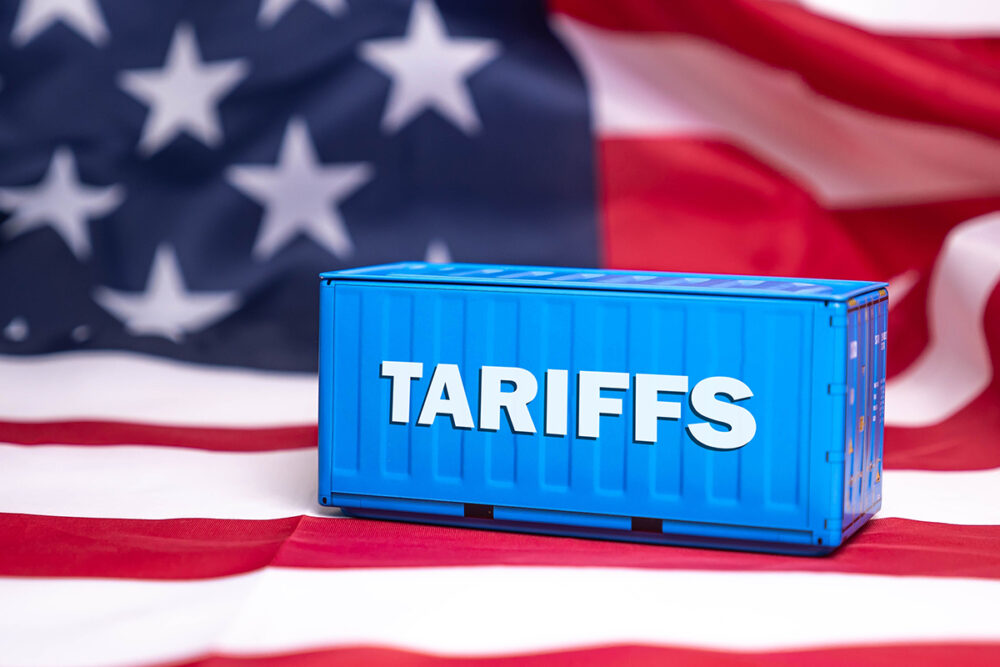
The disconnect is stark. While the Treasury Department reports unprecedented tariff revenues—$287 billion in 2025, a 192% increase from 2024—and administration officials tout stronger dollar reserves and manufacturing gains, the national conversation has pivoted to Operation Metro Surge, the massive immigration enforcement operation in Minnesota that has resulted in thousands of arrests, widespread protests, and the deaths of two American citizens at the hands of federal agents.
It is, political analysts suggest, a classic case of policy success drowned out by operational chaos—a cowbell moment where the percussion of controversy overpowers the melody of economic messaging.
The numbers tell a compelling economic narrative, at least from the administration’s perspective. Tariff collections have reached historic levels, with monthly customs revenue jumping from $7 billion in January 2025 to $30 billion by September. The Tax Foundation projects that tariffs will generate $1.6 trillion over the next decade after accounting for negative economic effects, potentially offsetting significant portions of the federal deficit.
“The effective tariff rate has risen to approximately 16 percent—the highest since 1935,” said Michael Feroli, chief U.S. economist at J.P. Morgan, describing the economic transformation. Administration officials have argued these revenues demonstrate successful economic governance, with the president himself frequently boasting about “more money than the country’s ever seen.”
The dollar has shown resilience in global markets despite initial volatility following “Liberation Day” tariff announcements in April 2025. Treasury data shows foreign net purchases of U.S. bonds reached $472 billion through September 2025, suggesting sustained international confidence in American fiscal instruments despite protectionist policies.
Yet these economic wins—debatable as they are among economists who warn of inflation and reduced GDP growth—have been largely absent from national headlines in recent weeks. Instead, the coverage has focused on Minneapolis, where federal immigration enforcement has taken an unprecedented and increasingly violent turn.
What began in early December 2025 as Operation Metro Surge, described by the Department of Homeland Security as a targeted immigration enforcement effort, has mushroomed into the administration’s most significant domestic crisis. The deployment of 2,000 federal agents to the Minneapolis-St. Paul metropolitan area, billed as the largest immigration operation in history, has produced a cascade of legal, political, and humanitarian complications.
The operation has been marked by what Minnesota officials and civil rights groups describe as systematic violations of constitutional rights. Federal court filings reveal a dramatic surge in wrongful detention lawsuits—288 cases filed from January 1 through January 21, compared with 128 filed in all of 2025. Minneapolis U.S. District Court judges have consistently ruled against the Trump administration, with Chief Judge Patrick J. Schiltz ordering acting ICE Director Todd Lyons to appear in court over the agency’s failure to follow dozens of court orders.
Most damaging to the administration’s political standing have been the deaths of Renee Nicole Good and Alex Jeffrey Pretti, both U.S. citizens killed by federal agents during protests against the operation. Pretti, a 37-year-old ICU nurse, was fatally shot on January 24 following what witnesses describe as a confrontation during a demonstration.
The shootings have galvanized opposition not just in Minnesota but across the country, with protests spreading to multiple cities and businesses in Minneapolis staging coordinated closures in solidarity with affected communities. Schools have transitioned to remote learning, and the economic disruption to the Twin Cities has been substantial.
Central to the legal and political controversy is the allegation that Operation Metro Surge represents political retaliation against a Democratic state that voted against Trump in 2024. Minnesota Attorney General Keith Ellison and the cities of Minneapolis and St. Paul have filed suit arguing the operation violates the First Amendment’s prohibition against viewpoint discrimination and the Tenth Amendment’s guarantee of state sovereignty.
Evidence supporting this claim includes the administration’s explicit targeting of Minnesota after similar National Guard mobilizations in California, Illinois, and Oregon were blocked by courts. U.S. Attorney General Pam Bondi’s letter to Governor Tim Walz, seeking information about voter rolls and Medicaid records as a condition for pulling back ICE enforcement, has been characterized by state attorneys as a “ransom note.”
The president himself has made statements linking the operation to Minnesota’s politics and policies, including his criticism of the state’s large Somali American population—the nation’s largest—in connection with fraud investigations. At a cabinet meeting, Trump called Somali immigrants “garbage,” adding, “we don’t want them in our country.”
Such rhetoric, combined with the scale and tactics of the operation, has created what critics describe as a textbook case of federal overreach. The deployment of masked, armed agents conducting raids in sensitive locations including schools, hospitals, and places of worship has generated comparisons to military occupation rather than civilian law enforcement.
For Republicans facing competitive races in November’s midterm elections, the Minnesota crisis presents a nightmare scenario. The party holds only a 220-215 majority in the House of Representatives—meaning Democrats need to flip just three seats to reclaim control. In the Senate, where Republicans hold a 53-45 majority, Democrats need four seats to take control, with competitive races in Georgia, North Carolina, Michigan, and Maine.
Political forecasters have begun shifting projections in Democrats’ favor. The Cook Political Report moved 18 House races toward Democrats this month, citing Trump’s declining approval ratings and Democratic momentum in special elections. Veteran Democratic strategist James Carville predicted Democrats will pick up “at a minimum 25 seats, maybe as high as 45” in the House.
The challenge for Republicans is not just the Minnesota operation itself, but what it represents: an administration that appears to prioritize punitive immigration enforcement over economic messaging, constitutional norms, and political calculation. Every image of federal agents confronting protesters, every lawsuit alleging civil rights violations, every business closure in solidarity with immigrant communities reinforces a narrative of governmental excess that resonates far beyond Minnesota.
“We’re seeing the emperor’s new clothes moment,” said one Republican strategist who spoke on condition of anonymity. “The tariff revenues are real, the economic data can be spun positively, but none of that matters when voters see federal agents shooting American citizens in the streets.”
The reference to a “cowbell moment” invokes the Saturday Night Live sketch where Christopher Walken’s producer demands “more cowbell” despite the instrument overwhelming the song. In Trump’s case, the cowbell is Minnesota—a single operation that has drowned out everything else the administration wants to discuss.
White House officials insist the operation is justified and legal, pointing to the arrests of individuals with criminal records and the connection to fraud investigations. DHS Secretary Kristi Noem claims ICE arrested “over 10,000 criminal illegal aliens” in Minneapolis, including 3,000 in the past six weeks. However, reviews of arrest records suggest the numbers may be inflated, with some individuals counted as part of Metro Surge having actually been transferred to federal custody years earlier.
The administration’s deployment of border czar Tom Homan to Minnesota this week signals recognition of the political damage, but may prove too late to change the trajectory. Legal challenges continue to mount, with the American Civil Liberties Union filing class-action lawsuits and federal judges expressing increasing skepticism of the administration’s legal authority and operational conduct.
The 2026 midterm elections, now just nine months away, will test whether economic performance can overcome operational controversy. Republicans are defending narrow majorities in both chambers against a Democratic Party energized by what they characterize as authoritarian overreach.
In swing districts across the country, Republican candidates face a dilemma: embrace Trump’s immigration policies and risk alienating moderate voters disturbed by Minnesota’s images, or distance themselves from the president and risk depressing turnout among the base.
For Trump himself, the Minnesota operation represents a miscalculation with potentially profound consequences. Having won the presidency partly on promises of economic revival and border security, he now finds those messages competing for attention with constitutional crises and civil unrest.
The tariff revenues that might have been trumpeted as vindication of his economic vision are instead footnotes in stories about federal agents and protesters. The dollar’s resilience is overshadowed by dollar stores closing in Minneapolis. The manufacturing gains are lost in discussions of manufacturing consent for military-style operations in American cities.
As one administration official put it privately: “We’re bringing in billions in new revenue, we’ve strengthened America’s economic position, we’ve got real achievements to run on. But what are people talking about? Minnesota. It’s the only drumbeat anyone can hear.”
Whether that drumbeat carries through November, drowning out the economic countermelody Trump’s allies hoped to amplify, may determine not just the composition of the next Congress, but the legacy of this administration’s second term. In politics, as in music, timing is everything—and right now, the cowbell is deafening. (IPA Service)
The article Trumps Economic Policies Drowned Out By The Drumbeat Of Minneapolis Outrage appeared first on Latest India news, analysis and reports on Newspack by India Press Agency).
The article Trumps Economic Policies Drowned Out By The Drumbeat Of Minneapolis Outrage appeared first on Arabian Post.
What's Your Reaction?