














US Gunboat Diplomacy Challenges The World Order
By Nantoo Banerjee The theatres of state-sponsored piracy are expanding, from the traditional Red Sea, Gulf of Oman, Somali Basin to the Black Sea and now the Atlantic. The recent US seizure of Russian-flagged oil tanker, Marinera, originally known as the Bella-1, after pursuing the vessel for weeks across the Atlantic, may be considered as […] The article US Gunboat Diplomacy Challenges The World Order appeared first on Latest India news, analysis and reports on Newspack by India Press Agency). The article US Gunboat Diplomacy Challenges The World Order appeared first on Arabian Post.

The theatres of state-sponsored piracy are expanding, from the traditional Red Sea, Gulf of Oman, Somali Basin to the Black Sea and now the Atlantic. The recent US seizure of Russian-flagged oil tanker, Marinera, originally known as the Bella-1, after pursuing the vessel for weeks across the Atlantic, may be considered as an act of piracy on the high seas. The US military action to seize a Russian flag carrier, the first time in recent memory, is said to be as part of Washington’s efforts to block Venezuelan oil exports.
The US forces boarded and seized several tankers in the Atlantic Ocean, including the Marinera and the Guyana flag-carrier Skipper. They seized as many as five oil tankers, including one meant for China, linked to Venezuela. The US defended the seizures pursuant to federal court warrants for alleged violations of American sanctions laws. It ignored the condemnations by Venezuela, China and Russia calling the act a “theft and hijacking of private vessels” and an “act of international piracy”. Russia and China protested the move as illegal under international maritime law.
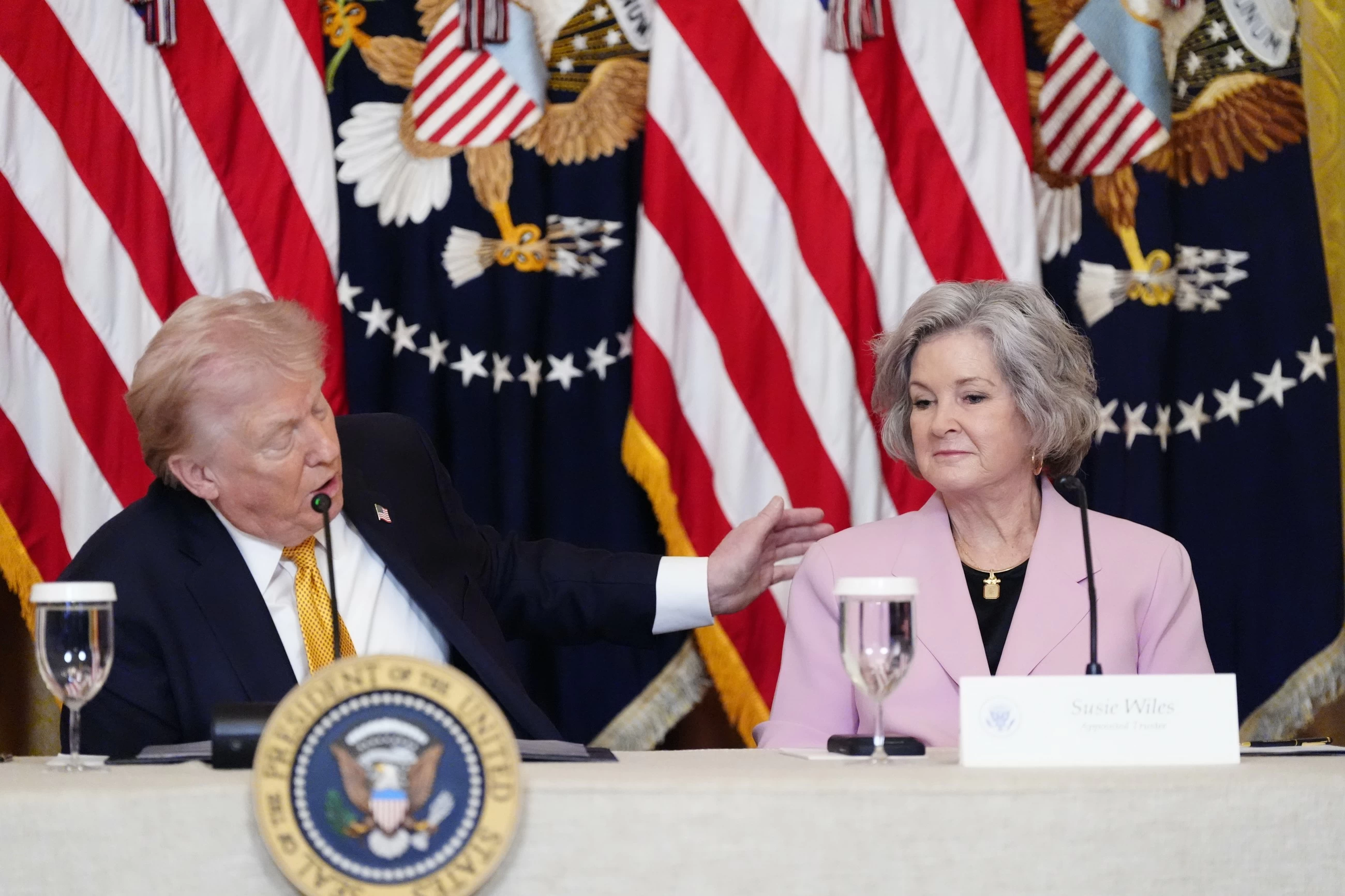
Ironically, the US has little respect for international law. Under President Trump, the US is highly obsessed with the policy of self-aggrandizement when it comes to dealing with the outside world. It can organise a midnight raid on the residence of another country’s president, kill dozens of soldiers and civilians, take him to the US as a captive, seize total control of its most vital fuel mineral, block its export and impose piracy charges on importers. It can take over another country on the grounds of national security.
The US seems to create and follow its own laws and doctrines to deal with another country to suit its convenience, be it Venezuela, Greenland, Canada, Panama, Colombia or Mexico. Historically, US interventions range from electoral interference (Italy, Philippines) to regime change (Iran, Cuba) and large-scale conflicts (Afghanistan, Iraq) to secure interests, often citing national security or spreading democracy, but leading to accusations of imperialism. The US president is pushing forward an absurd argument in defence of his desire to take over Greenland, a self-governing, autonomous territory within the Kingdom of Denmark, saying that it is meant to block a possible occupation of the strategic territory by either China or Russia.
The US global relationship is characterized by a significant retreat from multilateral agreements and increasing accusations from the international community of “wanton disregard” for global legal norms. The President Trump-led US seems to be little bothered about the growing criticism for its unilateral military actions which is considered as illegal by many international legal experts and global leaders. UN Secretary-General António Guterres and other officials stated that these actions did not respect international law or the UN charter, which prohibits the threat or use of force against the territorial integrity of any state. President Trump states that he does not “need international law” and relies instead on his “own morality” to guide his policies. He does not mind if his actions are described by some as a return to an “age of imperialism”. Last year, the US reportedly carried out bombings in seven countries, including Iran, Iraq, Somalia, and Yemen, without authorization from the UN Security Council, of which it is an important member.
To avoid explanations for his unilateral actions involving global trade, commerce, defence and diplomacy, Trump’s US has chosen to withdraw from a number of international treaties and organisations. Following a systematic review of all international commitments, the US began a massive withdrawal, this year, from as many as 66 international organisations and treaties, including the UN Framework Convention on Climate Change and the Paris Agreement, the UN Population Fund, the UN Conference on Trade and Development (UNCTAD), the World Health Organisation (WHO) and the United Nations Educational, Scientific and Cultural Organization (UNESCO), a highly specialized UN agency with the aim of promoting world peace and security through international cooperation in education, arts, sciences and culture. The US seems to prefer bilateralism to multilateralism in order to promote a new world order. It strongly believes in the proverb that self-help is the best help and plans to make the US military the world’s deadliest combat force.
President Trump has already called for a massive 50 percent increase in US military spending next year. He proposes to raise the US defence budget by over 50 percent in 2027 to $1.5 trillion in view of what he called “these very troubled and dangerous times.” The country’s military budget for the current year is worth $901 billion, which was approved by the US Congress last month. “This will allow us to build the ‘Dream Military’ that we have long been entitled to and, more importantly, that will keep us SAFE and SECURE, regardless of foe,” Trump said on social media earlier this month. To make sure of timely delivery by major defence contractors, he said he would crack down on payouts to bosses and shareholders of major US defence contractors unless the firms speed up deliveries of armaments and build new manufacturing plants.
The US gunboat diplomacy threatens to change the world order with resourceful countries being forced to spend more and more on defence and domestic manufacturing to be ready to face possible external attacks on trade, economy and sovereignty. State-sponsored sea piracy by using strong naval force and forcing regime change in another country on the ground of protecting national security by the aggressor may be the order of the day. Trump has made it clear to Colombia, Mexico, Cuba, Greenland – and Denmark – that they need to be nervous about where his appetite will take him next. The US has already escalated tensions by suggesting military intervention in Iran should the Ali Hosseini Khamenei regime continue to violently repress the public demonstrations. The US president has laid out a vision of power restrained by ‘my own morality.’ It is a wake-up call especially for the world’s four other military-economic powers, namely China, Russia, India and South Korea. (IPA Service)
The article US Gunboat Diplomacy Challenges The World Order appeared first on Latest India news, analysis and reports on Newspack by India Press Agency).
The article US Gunboat Diplomacy Challenges The World Order appeared first on Arabian Post.
What's Your Reaction?