





















Rebuilding homes, feeding kids: Meet UAE's Zayed Sustainability Prize 2026 winners
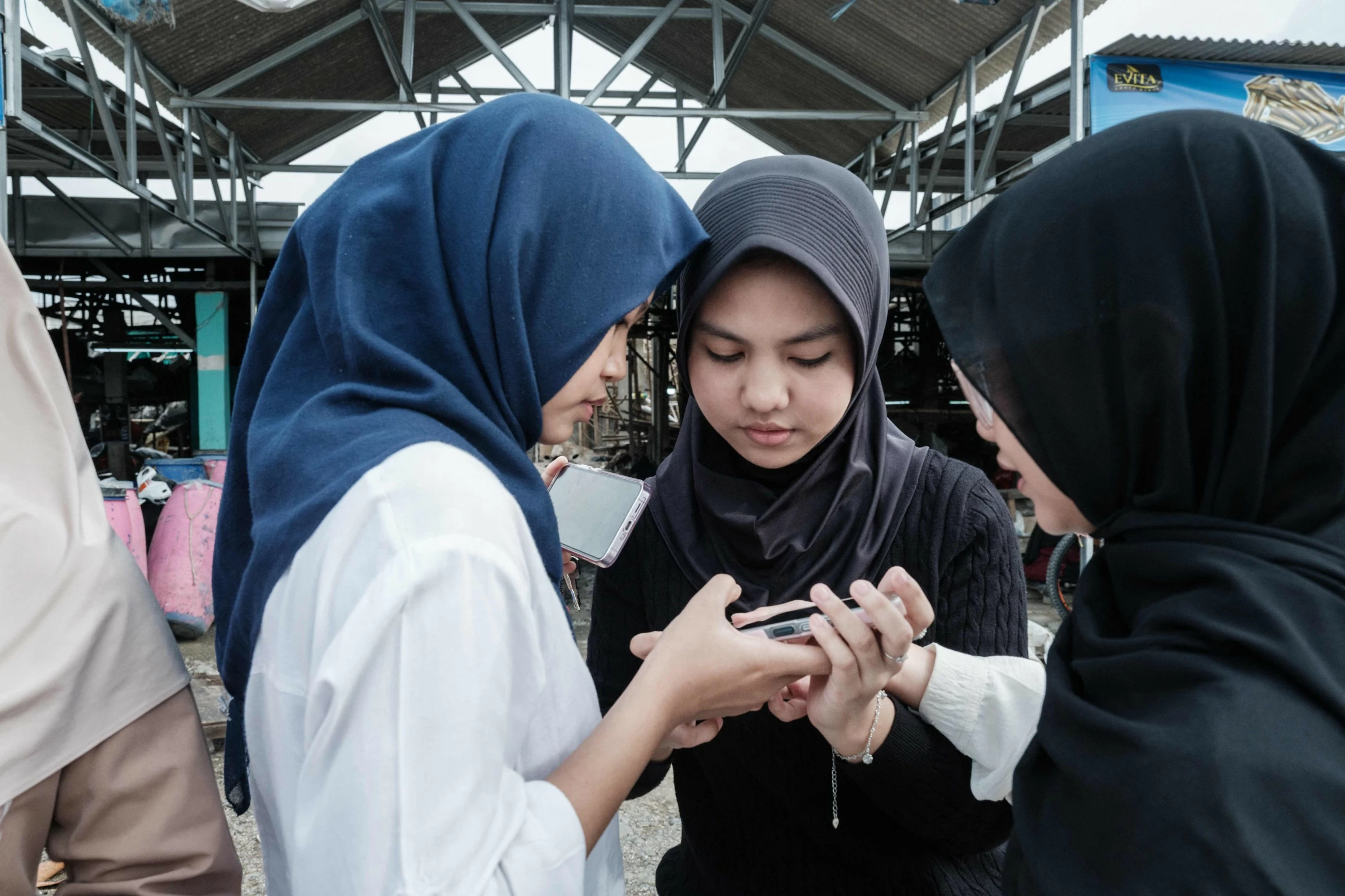
Among the winners were students from Northern Alberta who traveled out of Canada for the first time to collect their award
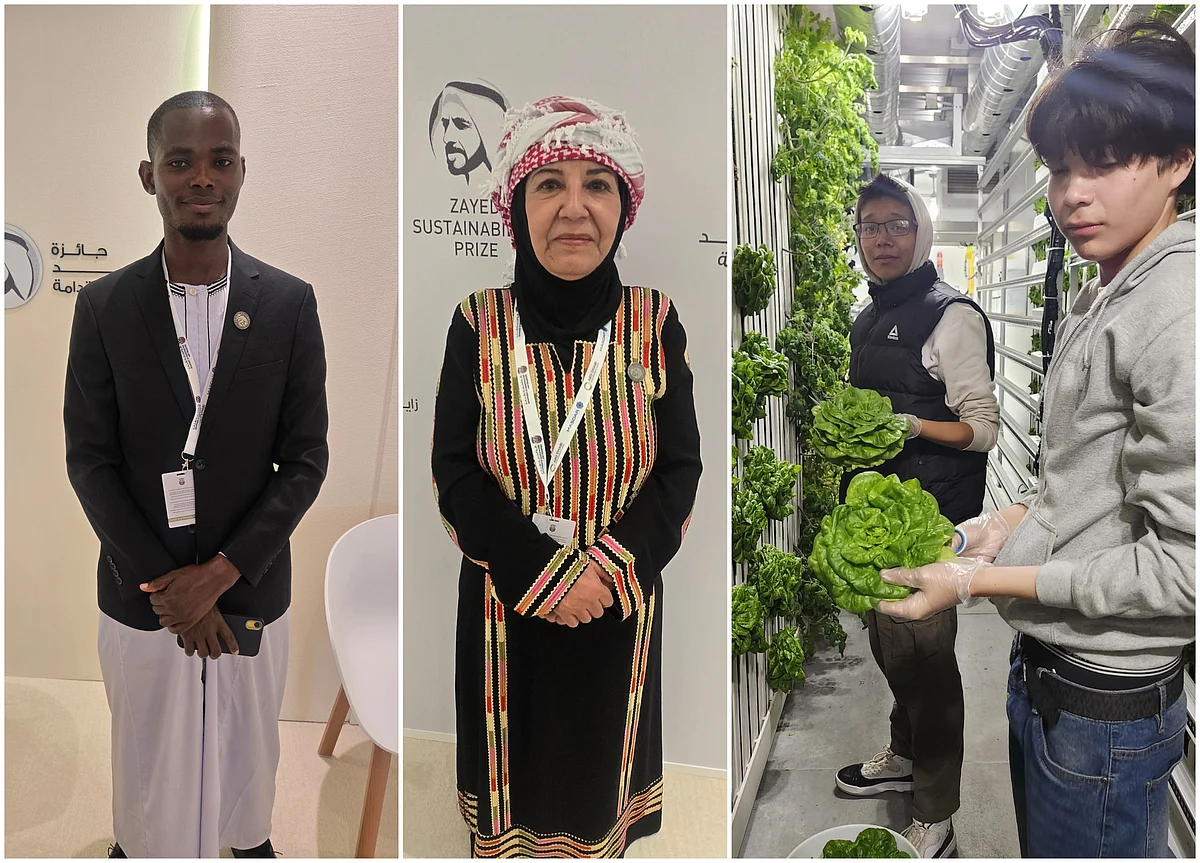
From earthquake‑safe houses built after catastrophe, to schools feeding their communities and a father supporting neurodivergent children worldwide through AI, the 2026 Zayed Sustainability Prize winners have shown what real sustainability looks like on the ground — practical, human, and deeply personal.
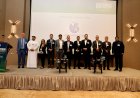
UAE President Sheikh Mohamed bin Zayed Al Nahyan honoured the winners during an awards ceremony held on Tuesdy as part of Abu Dhabi Sustainability Week.
Rebuilding homes after disaster
When a devastating earthquake struck Nepal in 2015, destroying around 800,000 homes, Björn Söderberg and his wife were already on the ground. What began as emergency shelter using bamboo and salvaged materials evolved into Build up Nepal, a non-profit that now manufactures low-carbon, earthquake-resilient interlocking eco-bricks.
Stay up to date with the latest news. Follow KT on WhatsApp Channels.
"Poor families dream of living in brick and concrete houses, but they can't afford them," Söderberg explained to Khaleej Times. At the same time, he said, the brick industry itself is a climate problem. Build up Nepal's solution uses locally sourced soil, sand, stone dust, cement and small amounts of rice husk ash — compressed, not fired — eliminating the need for coal-burning kilns. Björn Söderberg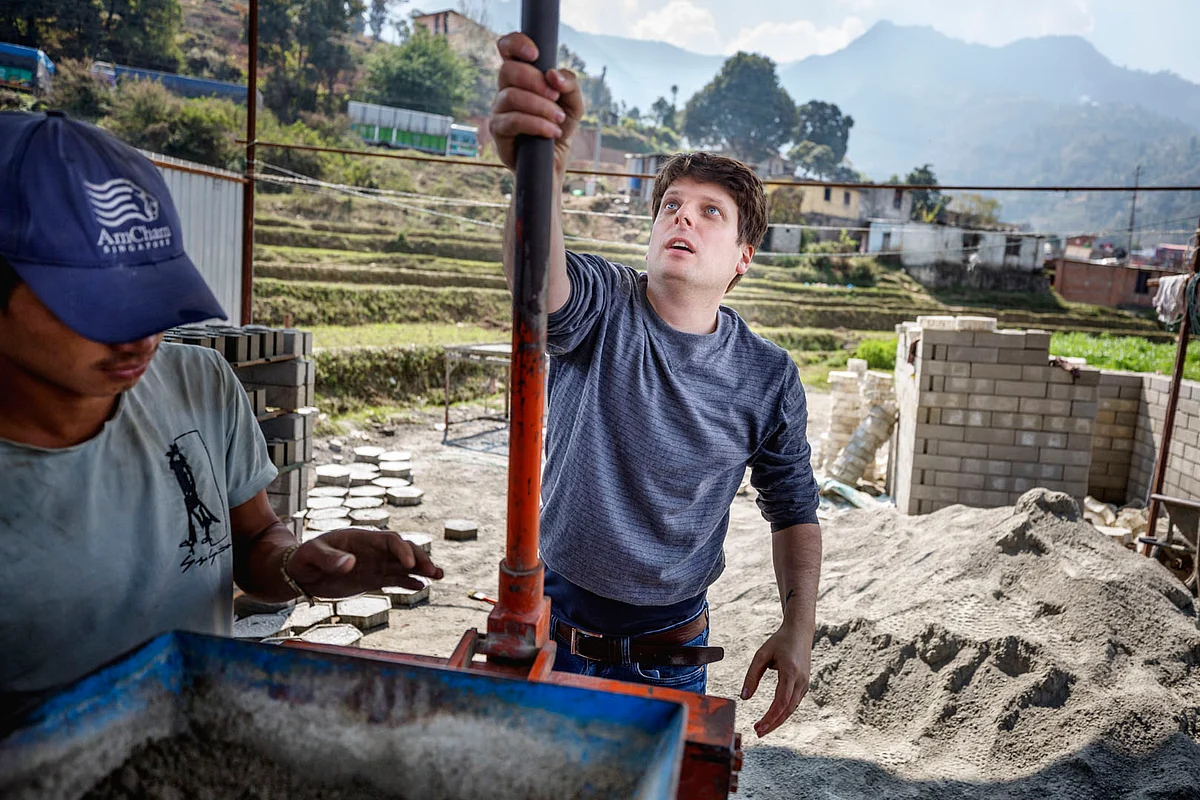
The result: homes that are about 40 per cent cheaper than conventional fired-brick houses and structurally reinforced for seismic activity. To date, the initiative has helped build around 12,000 earthquake-resistant homes across Nepal, while creating green jobs and cutting emissions. Build up Nepal won in the Climate Action category.
A father's response to autism
For Ronaldo Lima Cohin Ribeiro, founder and CEO of Jade, the journey began at home. “I’m the father of an autistic child,” he said. “I wanted to make something that could help the education of neurodivergent children.” That motivation led to Jade, an AI-powered, game-based platform that tracks cognitive data through play, helping professionals understand why a child may be struggling with reading, writing, maths or attention — and intervene in a targeted way.
Today, Jade has more than 200,000 users across 179 countries, is used in hundreds of schools, and is available to families for free via app stores. Ribeiro said the platform allows two children with the same diagnosis to receive entirely different, personalised support. “We can metrify executive functions and act exactly on the point that is causing delays,” he explained, adding that users show an average improvement rate of 42 per cent when professionals use the data provided.
Receiving the Zayed Sustainability Prize, Ribeiro said, is “not the end, it’s just the beginning,” with plans to significantly scale access — particularly through public schools in lower-income communities. Jade won in the Health category.
Growing food year-round to feed the community
In Northern Alberta, where food can only be grown outdoors for a few months each year, students at Mamawi Atosketan Native School are preparing to change that. The school's winning project centres on a modular, climate-controlled hydroponic farm, combining Indigenous knowledge with sustainability science to tackle food insecurity.
Once implemented, the system is expected to produce thousands of pounds of vegetables annually using significantly less water. Students Kenyon Bull and Elias Mykat said the project started simply — gardening outdoors for a competition video — but quickly grew into something bigger. “It was a nice surprise,” they said of winning the Prize, adding that travelling to Abu Dhabi was their first time outside Canada. 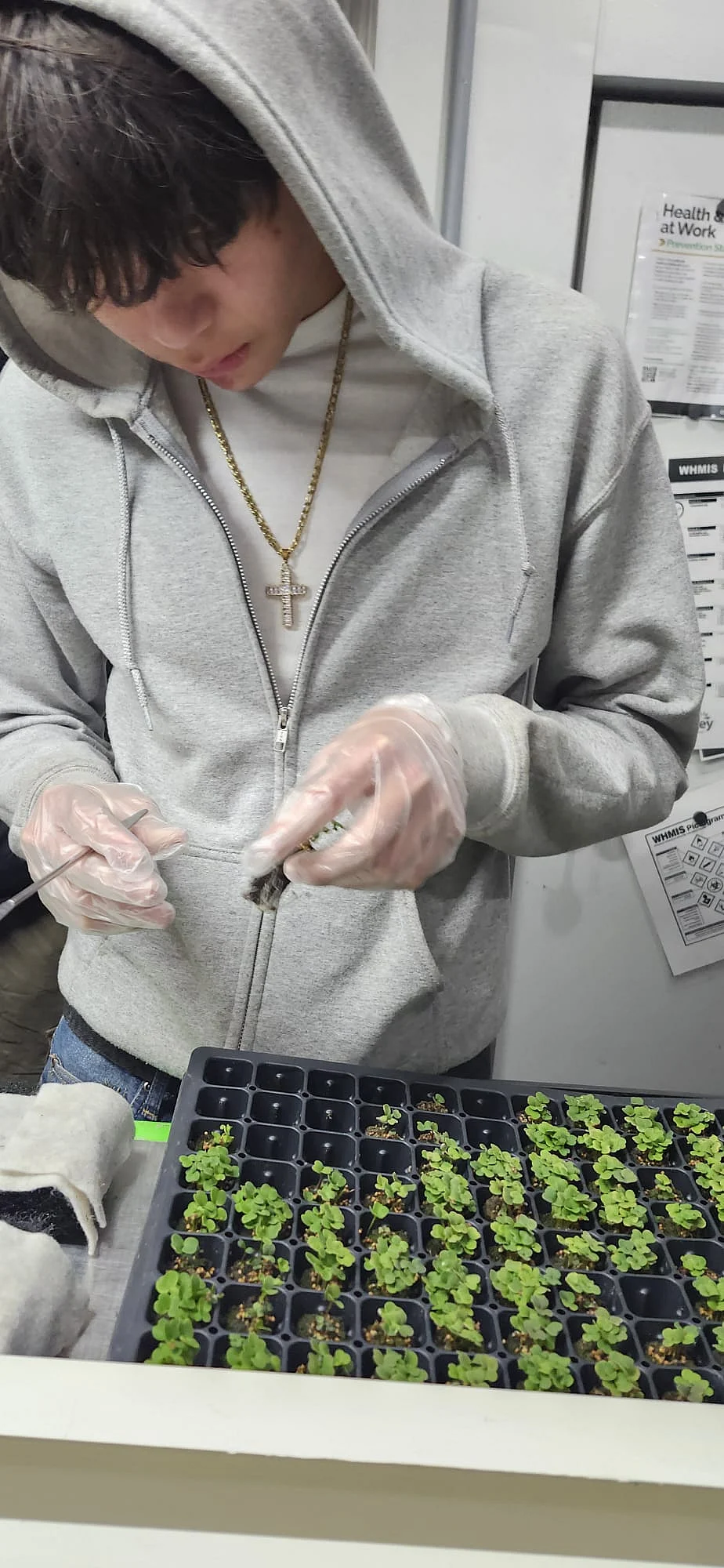
The produce will support monthly soup kitchens, school food programmes, and community hampers — with plans to eventually involve students in selling produce to sustain the initiative financially. “Now we can grow food all year long,” said the school’s sustainability coordinator Melanie Dussaye, explaining how the prize will allow the school to expand support from a few hundred community members to potentially thousands. Mamawi Atosketan Native School won in the Global High Schools — Americas category.
Feeding rural Uganda
At Kyanja High School in Uganda, students are learning sustainability by producing food. The school's circular farming project integrates duck farming with catfish aquaculture, creating a near zero-waste system that improves access to affordable protein while training young people in resource-efficient agriculture. The project is expected to produce more than 3,000kg of catfish and 27,000 eggs over two years, while supporting replication across dozens of schools and communities.
“This victory blesses our students and community,” said principal Kabanda Michael. Student Babirye Bernadette Esther added, “It feels amazing to know that our ideas are being noticed.” Kyanja High School won in the Global High Schools – Sub-Saharan Africa category.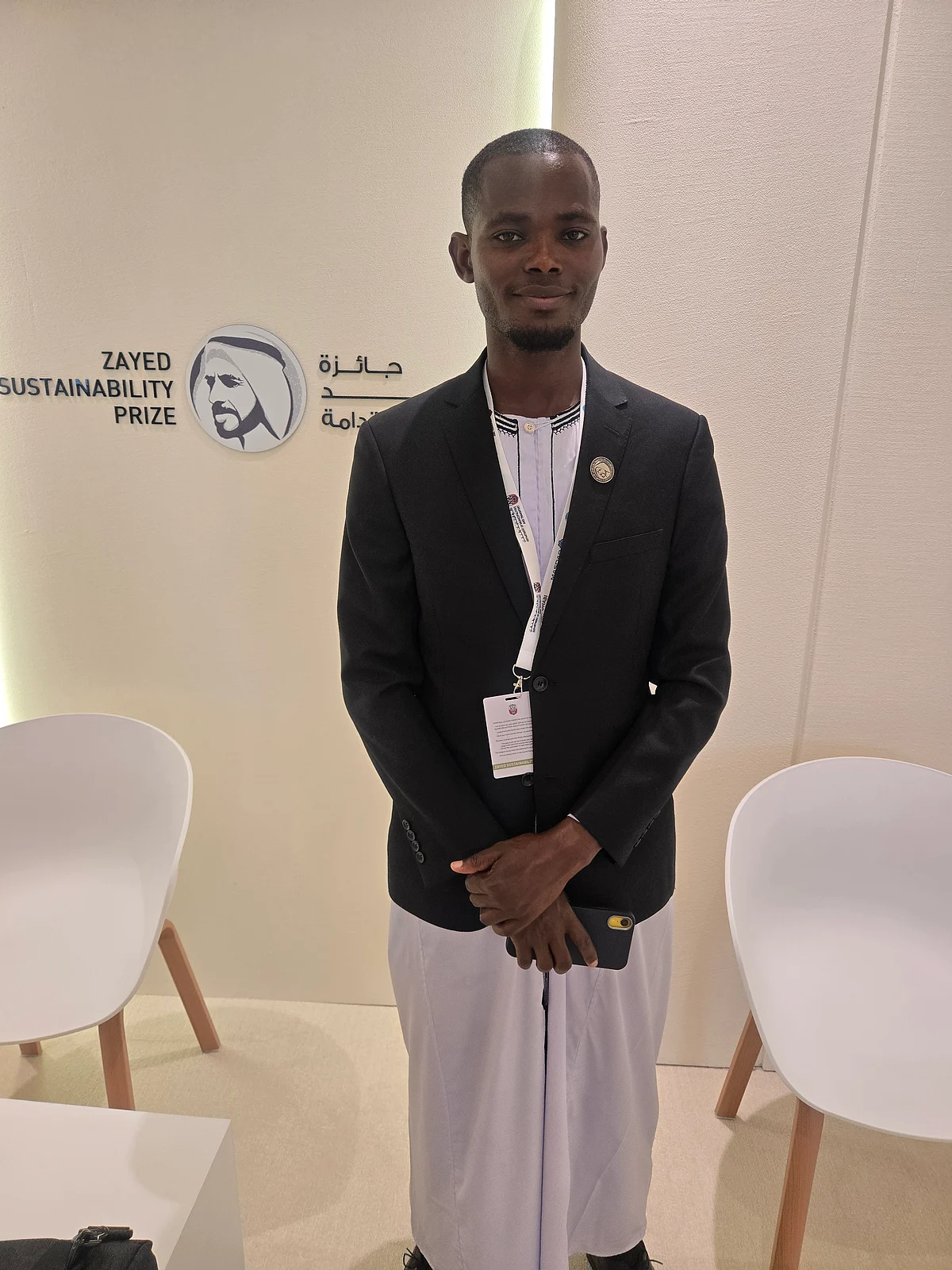
School for the deaf turns water scarcity into skills
In water‑scarce Jordan, Al Rajaa School for the Deaf is using sustainability as both a learning tool and a source of empowerment. The public school’s project combines rainwater harvesting, smart agriculture and recycling to improve food security while teaching hearing‑impaired students practical environmental and agricultural skills. The initiative is designed to cut water use by up to 60 per cent and produce around 300kg of vegetables every month, benefiting students, staff and local families.
School principal Hanan Al Mughrabi explained that the idea emerged directly from Jordan's chronic water shortages. Rather than seeing limited water as a barrier, the school designed a system that shows students how food can still be grown efficiently through careful water management and technology‑assisted irrigation. School principal Hanan Al Mughrabi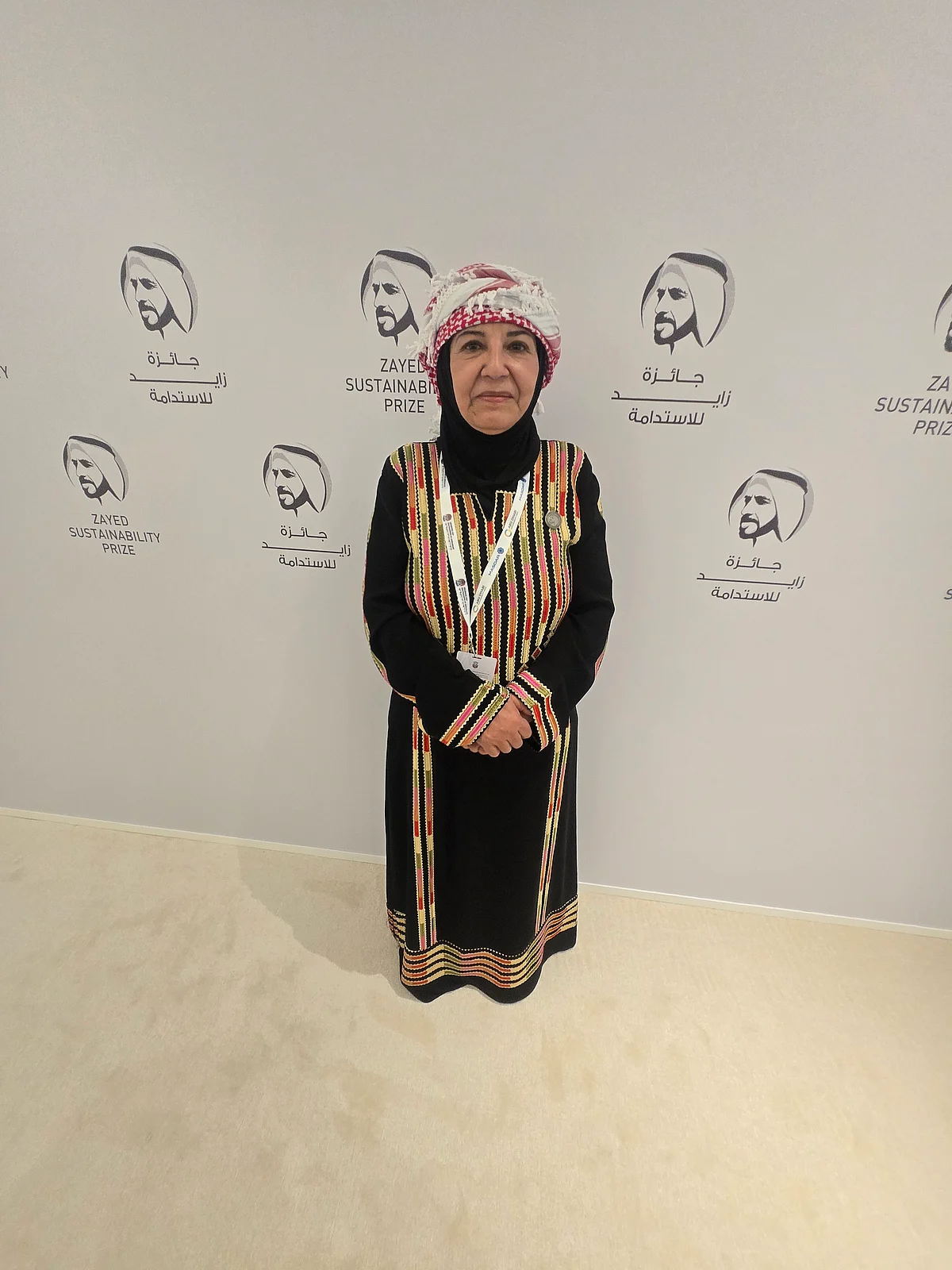
Students are involved at every stage — from planting and monitoring crops to understanding how water is harvested, reused and conserved — turning the campus into a living classroom. The school plans to document each phase of implementation so the model can be shared with other schools and communities. Al Rajaa School for the Deaf won in the Global High Schools – Middle East & North Africa category.
Other Zayed Sustainability Prize 2026 winners
Several other projects were recognised this year for their sector-specific impact:
N&E Innovations (Food): A Singapore-based SME that upcycles food waste into biodegradable, antimicrobial food coatings and packaging to extend shelf life and reduce post-harvest loss.
BASE Foundation (Energy): A Switzerland-headquartered non-profit deploying a Cooling-as-a-Service model that removes upfront costs and expands access to efficient, low-carbon cooling across 68 countries.
Stattus4 (Water): A Brazilian company using AI-powered sound and pressure sensors to help utilities detect leaks in real time, significantly reducing water loss across monitored networks.
Bodrum Anatolian High School (Global High Schools – Europe & Central Asia): A Turkish public school developing an AI-driven, solar-powered wildfire prevention system using drones and thermal sensors.
Faafu Atoll Education Center (Global High Schools – South Asia): A Maldivian public school transforming its campus into a renewable energy and sustainability hub powering both the school and a nearby hospital.
Ruamrudee International School (Global High Schools – East Asia & Pacific): A Thailand-based school helping farmers reduce methane emissions and water use in rice farming through data-driven, low-cost monitoring systems.
What's Your Reaction?