




























Kerala arrest over viral video: UAE experts warn against ‘trial by social media’
UAE-based experts have warned against the phenomenon of ‘trial by social media’ saying it could undermine due process. Some noted that becoming the target of mass online condemnation can have a profound psychological impact and trigger intense stress responses.“One of the most essential elements of due process is the principle of innocent until proven guilty,” said Professor Aryaan Asad Lalani, Adjunct Faculty of Department of Law and Politics at Middlesex University Dubai.“That does not exist in the court of public opinion because people tend to look at polarising evidence. They tend to look at the way the social media algorithm creates a narrative that revolves around a specific view. So they end up creating a judgment of this individual with only half of the story right and that can be very, very problematic.”Stay up to date with the latest news. Follow KT on WhatsApp Channels. Aryaan Asad LalaniHis comments came as police in the southern Indian state of Kerala arrested a woman after she posted videos online of a man allegedly touching her inappropriately. It was earlier this month that the 35-year-old, identified as S.M. by local media, posted a video saying that the man had molested her on a bus. The video drew a sharp response with many criticising the man. Two days after the video went viral, the man committed suicide. His friends and family said that he denied the allegations and claimed he was innocent. They accuse S.M. of trying to gain followers and fame with the video. The woman, who did not lodge a formal complaint at the time of the incident, is facing charges of abetment to suicide and is now under judicial custody.Meanwhile, Asra Sarwar, Clinical Psychologist at multiple Aster Clinics said that when someone becomes the target of mass online condemnation, it can have a “profound psychological impact” as human beings are wired to seek social acceptance. “Public shaming and sustained negative attention often trigger intense stress responses,” she said. “Over time, this can erode self-worth and create feelings of helplessness and hopelessness, which are well-established psychological risk factors for depression and suicidal ideation.”Asra SarwarIrreversible accusationsLegal experts say the growing tendency to litigate allegations in the digital space poses serious risks to fairness and accountability. Lalani explained that social media platforms often amplify extreme or sensational narratives, sidelining impartial fact-finding. “The court of public opinion does not operate on evidence or balance,” he said. “It operates on clicks, outrage and algorithmic visibility.”He added that even when individuals are later found innocent or allegations are disproven, the damage caused by online accusations is often irreversible. “Online accusations can become a form of punishment without any legal basis,” he said, pointing to the permanence of digital footprints and the resurfacing of posts or videos years after they are shared.According to Sarwar, online pile-ons are driven by group psychology and reduced accountability. “When a story evokes moral outrage, people often align themselves with the dominant narrative to feel part of the ‘right side’,” she said. “Anonymity and physical distance weaken empathy, making people more aggressive online than they would be in person.”Both experts highlighted the fine line between legitimate whistleblowing and unregulated call-out culture. While whistleblowing mechanisms are governed by evidence and legal safeguards, accusations made on social media are often unsupported and driven by virality rather than verification.Reward extreme reactionsSarwar noted that social media platforms can unintentionally reward extreme reactions. “Likes, shares and algorithmic amplification can shift the focus from accountability to virality,” she said. “This escalates situations into public trials without safeguards for accuracy, proportionality or psychological harm.”Despite these risks, experts acknowledged that social media can sometimes serve as a last resort for genuine victims who fear slow or unsympathetic justice systems. However, Lalani stressed that restoring trust in institutional processes is essential to preventing social media from replacing due process altogether.Both urged users to exercise restraint online. “Ethical engagement requires empathy and an awareness that online actions have real-world consequences,” Sarwar said. “Respecting due process is not silence — it is responsibility.”UAE influencer files legal case after massage centres use photos without consentUAE: More parents support kids for content creation as experts flag risks'Not harmless games': Dubai parents alerted to risky student challenges

UAE-based experts have warned against the phenomenon of ‘trial by social media’ saying it could undermine due process. Some noted that becoming the target of mass online condemnation can have a profound psychological impact and trigger intense stress responses.
“One of the most essential elements of due process is the principle of innocent until proven guilty,” said Professor Aryaan Asad Lalani, Adjunct Faculty of Department of Law and Politics at Middlesex University Dubai.
“That does not exist in the court of public opinion because people tend to look at polarising evidence. They tend to look at the way the social media algorithm creates a narrative that revolves around a specific view. So they end up creating a judgment of this individual with only half of the story right and that can be very, very problematic.”
Stay up to date with the latest news. Follow KT on WhatsApp Channels. Aryaan Asad Lalani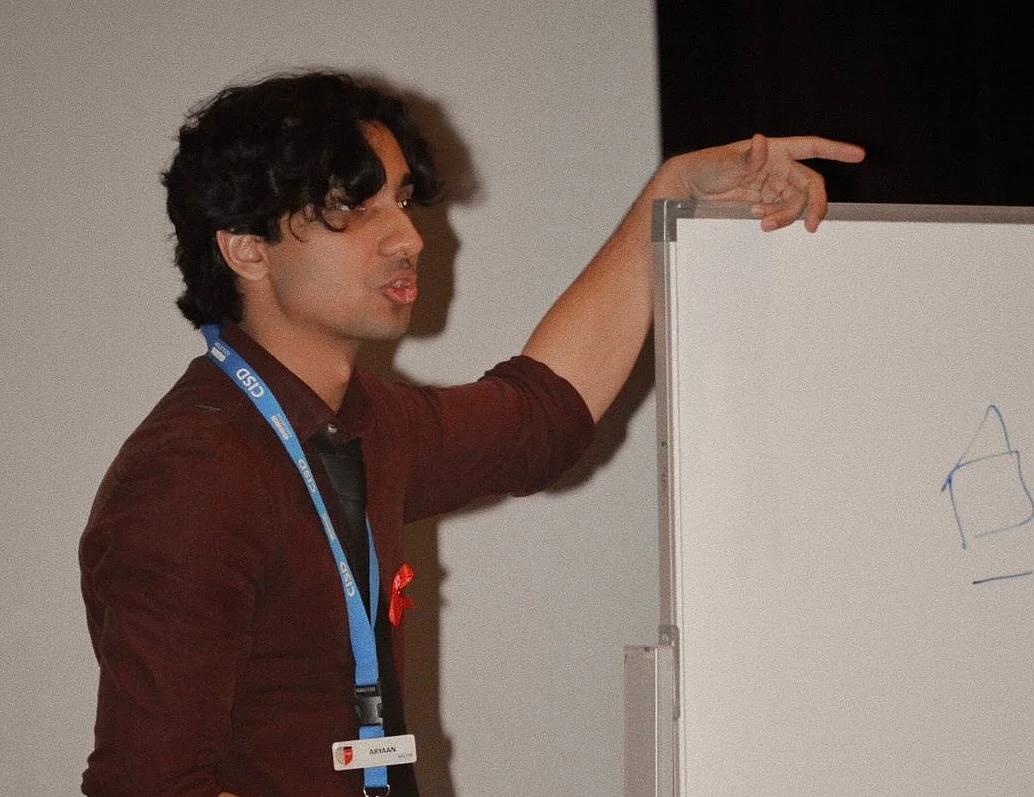
His comments came as police in the southern Indian state of Kerala arrested a woman after she posted videos online of a man allegedly touching her inappropriately. It was earlier this month that the 35-year-old, identified as S.M. by local media, posted a video saying that the man had molested her on a bus. The video drew a sharp response with many criticising the man.
Two days after the video went viral, the man committed suicide. His friends and family said that he denied the allegations and claimed he was innocent. They accuse S.M. of trying to gain followers and fame with the video. The woman, who did not lodge a formal complaint at the time of the incident, is facing charges of abetment to suicide and is now under judicial custody.
Meanwhile, Asra Sarwar, Clinical Psychologist at multiple Aster Clinics said that when someone becomes the target of mass online condemnation, it can have a “profound psychological impact” as human beings are wired to seek social acceptance. “Public shaming and sustained negative attention often trigger intense stress responses,” she said. “Over time, this can erode self-worth and create feelings of helplessness and hopelessness, which are well-established psychological risk factors for depression and suicidal ideation.” Asra Sarwar
Irreversible accusations
Legal experts say the growing tendency to litigate allegations in the digital space poses serious risks to fairness and accountability. Lalani explained that social media platforms often amplify extreme or sensational narratives, sidelining impartial fact-finding. “The court of public opinion does not operate on evidence or balance,” he said. “It operates on clicks, outrage and algorithmic visibility.”
He added that even when individuals are later found innocent or allegations are disproven, the damage caused by online accusations is often irreversible. “Online accusations can become a form of punishment without any legal basis,” he said, pointing to the permanence of digital footprints and the resurfacing of posts or videos years after they are shared.
According to Sarwar, online pile-ons are driven by group psychology and reduced accountability. “When a story evokes moral outrage, people often align themselves with the dominant narrative to feel part of the ‘right side’,” she said. “Anonymity and physical distance weaken empathy, making people more aggressive online than they would be in person.”
Both experts highlighted the fine line between legitimate whistleblowing and unregulated call-out culture. While whistleblowing mechanisms are governed by evidence and legal safeguards, accusations made on social media are often unsupported and driven by virality rather than verification.
Reward extreme reactions
Sarwar noted that social media platforms can unintentionally reward extreme reactions. “Likes, shares and algorithmic amplification can shift the focus from accountability to virality,” she said. “This escalates situations into public trials without safeguards for accuracy, proportionality or psychological harm.”
Despite these risks, experts acknowledged that social media can sometimes serve as a last resort for genuine victims who fear slow or unsympathetic justice systems. However, Lalani stressed that restoring trust in institutional processes is essential to preventing social media from replacing due process altogether.
Both urged users to exercise restraint online. “Ethical engagement requires empathy and an awareness that online actions have real-world consequences,” Sarwar said. “Respecting due process is not silence — it is responsibility.”
What's Your Reaction?